


Welsh Corgi Puppies in Sunny Regions: A Complete Guide
Introduction
Welsh Corgi puppies have captured hearts worldwide with their short legs, bright eyes, and lively personalities. Warm, coastal areas with plenty of outdoor activities suit these spirited dogs especially well. This guide walks you through everything you need to know about welcoming a Corgi pup into a temperate-climate home.
History of the Welsh Corgi
The breed began as a farm helper in Wales, skillfully guiding livestock. Over time, two varieties emerged: the Cardigan and the Pembroke. The Pembroke, the more popular of the two, gained international fame after arriving in North America in the early twentieth century. Today, the Pembroke’s cheerful attitude keeps it among the most beloved family companions.

Characteristics of Welsh Corgi Puppies
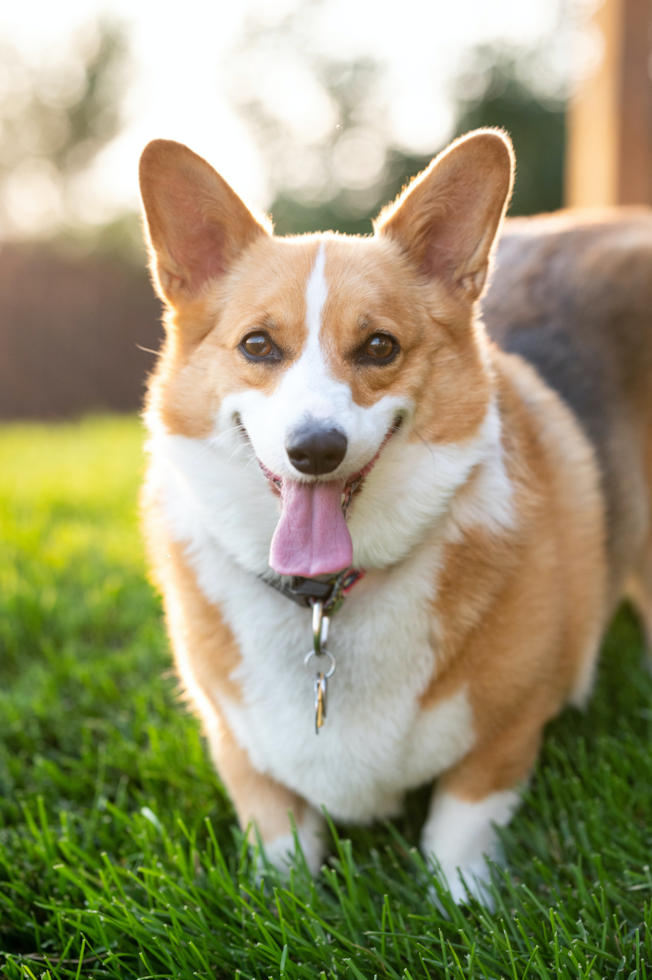
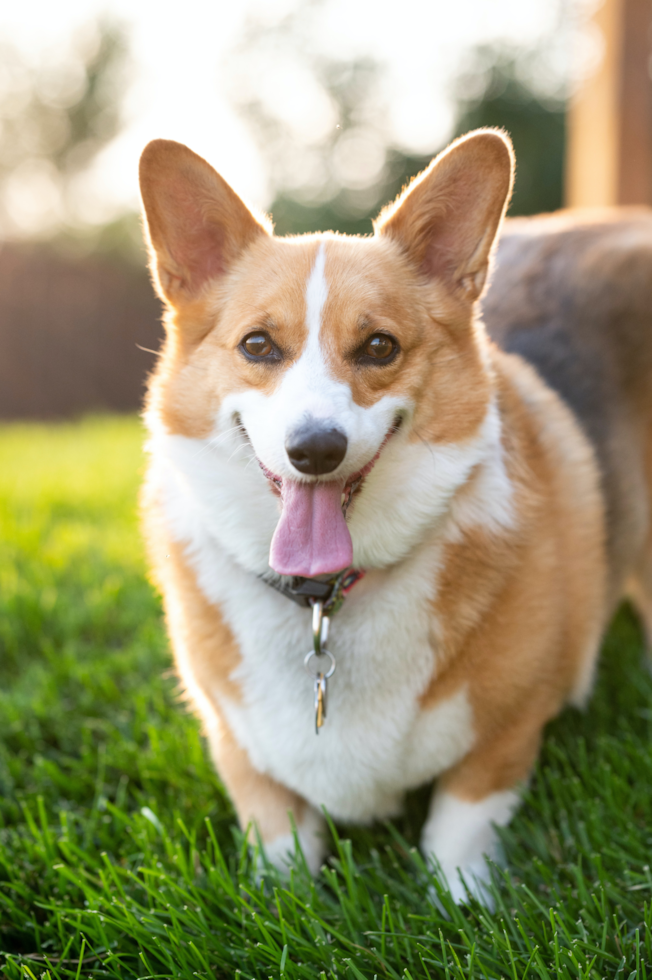
Compact and sturdy, Corgi pups sport a foxy face, large upright ears, and a weather-resistant double coat. Adults usually weigh a little under thirty pounds and stand about a foot tall at the shoulder. Expect an alert, affectionate pup that thrives on interaction and learns new tricks with impressive speed.
Adoption of Welsh Corgi Puppies
Finding a healthy puppy starts with careful research. Look for transparent breeders who welcome questions, or consider a breed-specific rescue group. Responsible sources provide health records, allow you to meet the pup’s parents or foster caregivers, and offer guidance long after you bring your new friend home.
Benefits of Adopting from a Breeder
Reputable breeders perform health screenings and share pedigree information, giving you insight into temperament and possible medical needs. They also remain available for advice on training, nutrition, and socialization throughout the dog’s life.

Benefits of Adopting from a Rescue Organization
Rescue adoption often costs less up front and gives a homeless dog a fresh start. Many organizations evaluate behavior, begin basic training, and supply post-adoption support such as obedience classes or behavioral hotlines.
Care for Welsh Corgi Puppies
Raising a happy Corgi involves daily attention to diet, exercise, grooming, and preventive healthcare. Consistency and positive reinforcement shape a confident, well-mannered adult dog.
Nutrition
Choose a high-quality puppy food formulated for small to medium breeds. Feed measured meals rather than free-choice to prevent excess weight gain, and limit treats to ten percent of daily calories. Fresh water should always be available.
Exercise
Two brisk walks and several play sessions each day keep a Corgi’s mind and body fit. Puzzle toys, short obedience drills, and controlled fetch games protect developing joints while burning energy.
Grooming
A quick brush three or four times a week removes loose hair and prevents tangles; daily brushing is even better during seasonal sheds. Trim nails monthly, check ears weekly for dirt or odor, and introduce tooth-brushing early to support dental health.
Health
Schedule a vet visit within the first week of adoption to set up a vaccination and parasite-control plan. Discuss breed-related concerns such as weight management and joint care, and keep up with annual checkups to catch any issues early.
Welsh Corgi Puppies: A Conclusion
With their merry disposition and adaptable nature, Corgi puppies fit well into many households. Whether your new companion comes from a careful breeder or a caring rescue, patient training and routine healthcare will lay the groundwork for years of friendship.
Future Research and Recommendations
Ongoing studies into diet, exercise, and hereditary conditions will help owners fine-tune care. Meanwhile, spreading the word about responsible adoption and lifelong commitment can give even more dogs the loving homes they deserve.
In conclusion, a Welsh Corgi puppy brings energy, loyalty, and endless smiles. By learning about the breed’s needs and dedicating time each day to exercise, training, and affection, you’ll enjoy a rewarding partnership that enriches both of your lives.


