
International adoption, especially when arranged by American agencies, has long captured public attention and sparked thoughtful discussion. These placements have opened doors for many children, giving them the promise of a stable home. This overview looks at the intricate layers of such adoptions, weighing their influence, obstacles, and what may lie ahead.
Historical Context of US Adoptions
American families began welcoming children from other countries in noticeable numbers during the early 1900s, when social reformers started presenting family life as a healthier option than orphanage care. Annual totals have risen and fallen in response to shifting laws abroad, changing social attitudes, and the availability of domestic placements.
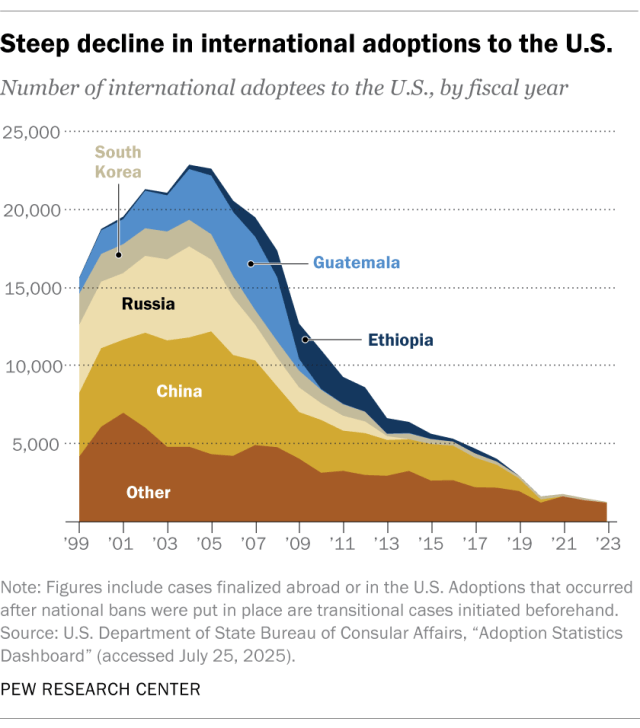
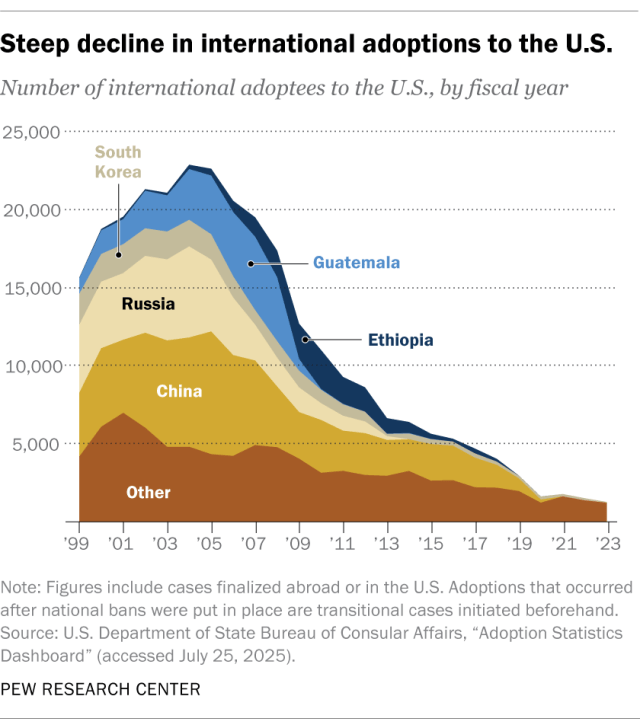
By the 1990s, the United States was receiving more children through intercountry adoption than any other nation, with youngsters arriving from places such as China, Russia, and Ethiopia. Since then, tighter regulations and greater emphasis on local solutions have caused these figures to drop steadily.
Impact of US Adoptions
These placements reshape the futures of both children and parents. Families invest considerable emotion, time, and money, yet most describe the experience as life-enriching. Children gain consistent care, educational opportunity, and emotional support that institutional settings seldom provide.
Studies indicate that adopted children frequently outperform peers who remain in orphanages on measures of schooling, psychological health, and social adjustment. The demand from American households has also encouraged sending countries to tighten safeguards and develop stronger child-protection systems.
Challenges and Controversies
Positive stories coexist with serious concerns. Ethical lapses—ranging from insufficient documentation to outright coercion—have surfaced in several regions, prompting fears that profit can sometimes outweigh child welfare. Weak oversight and uneven enforcement continue to test public trust.
Identity questions add another layer of complexity. Young people adopted across racial, cultural, or linguistic lines often spend years reconciling dual heritages and grieving the loss of birth ties, a journey that can feel lonely without appropriate guidance.
Procedural hurdles add pressure: extensive home studies, repeated background checks, and legal formalities stretch timelines and budgets, placing extra strain on middle- and low-income applicants.
Regulatory Framework and Policy Changes
Federal legislation such as the Intercountry Adoption Act of 2000 set uniform standards, stressing transparency and the primacy of children’s rights. Washington has since negotiated bilateral agreements with numerous governments to share monitoring duties and encourage best practices.
Even so, specialists argue that further reform is essential. Tackling the poverty, social stigma, and family disruption that drive child relinquishment remains a critical front, as does expanding post-adoption counseling, heritage resources, and trauma-informed services.
Future Prospects and Recommendations
Global demographics, political shifts, and public sentiment will shape what happens next. To keep the process child-centered, stakeholders can:
1. Deepen cross-border cooperation aimed at strengthening vulnerable families and reducing the need for adoption in the first place.
2. Require robust, ongoing training for social workers, lawyers, and agency staff to guarantee ethical, transparent practice.
3. Guarantee lifelong support—mental-health care, cultural education, and peer networks—for adoptees and their families.
4. Invest in longitudinal research that tracks educational progress, identity formation, and adult well-being to guide future policy.
When safeguards match good intentions, intercountry adoption can still offer a vital route to permanency for children who genuinely need new families.
Conclusion
Intercountry adoption through American channels is a nuanced arena where humanitarian goals, legal duties, and personal emotions intersect. By learning from history, confronting shortcomings, and refining practice, policymakers and communities can protect children’s interests while honoring the enduring value of family.