

The Evolution and Impact of Cat Locators: A Comprehensive Review
Introduction
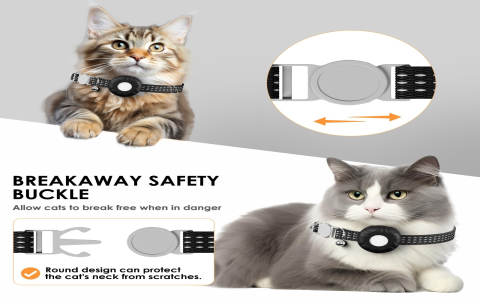
In recent years, more cat parents and rescue groups have turned to location trackers to keep tabs on their roaming companions. Relying mainly on satellite-based positioning, these lightweight accessories have reshaped how we supervise, safeguard and understand outdoor and indoor–outdoor cats. This overview traces their development, explains how they work, weighs their advantages and acknowledges their limitations.
The Evolution of Cat Locators
Early Tracking Devices
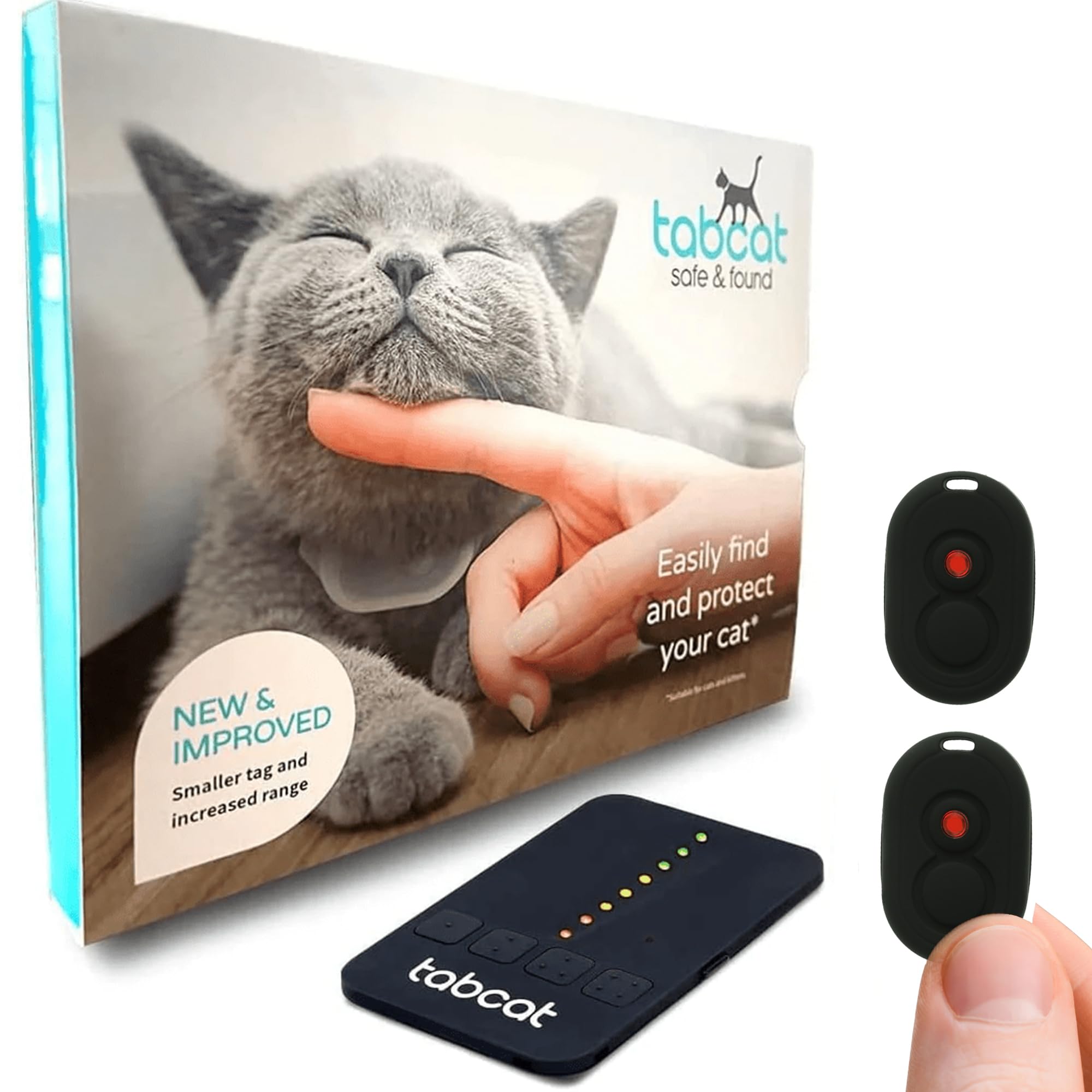
The first pet trackers appeared around the turn of the century. Bulky and costly, they used short-range radio signals; guardians had to walk with a handheld receiver until they picked up the animal’s beacon.
Introduction of GPS Technology
When global positioning modules shrank in size and price during the late 2000s, manufacturers swapped radio for satellite fixes. The change opened the market to everyday owners and sparked rapid adoption.
Modern Cat Locators
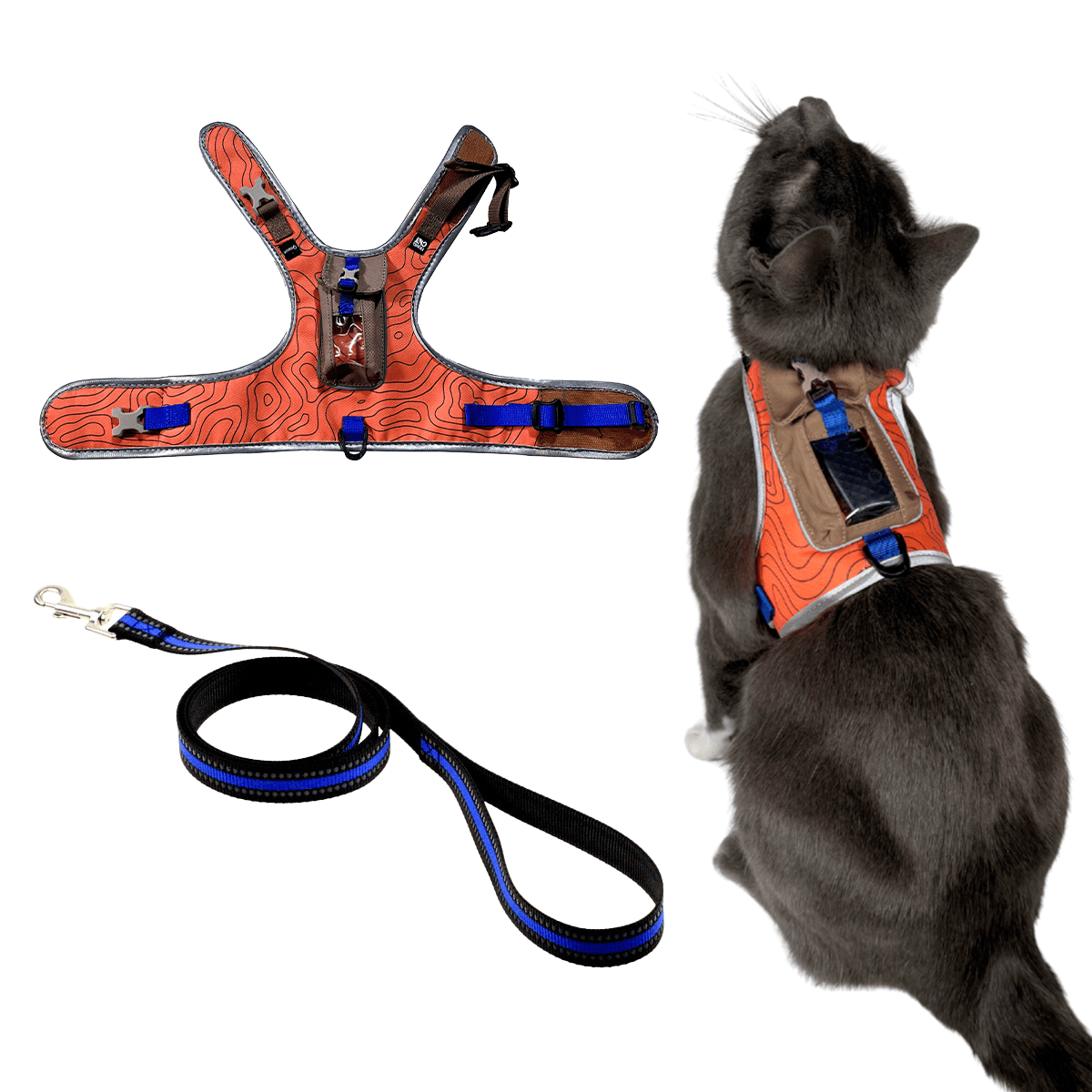
Current models weigh less than a house key and add live mapping, safe-zone alerts and motion logs. The combination gives caregivers a detailed picture of where—and how energetically—their cats spend the day.
Functionality of Cat Locators
GPS Tracking
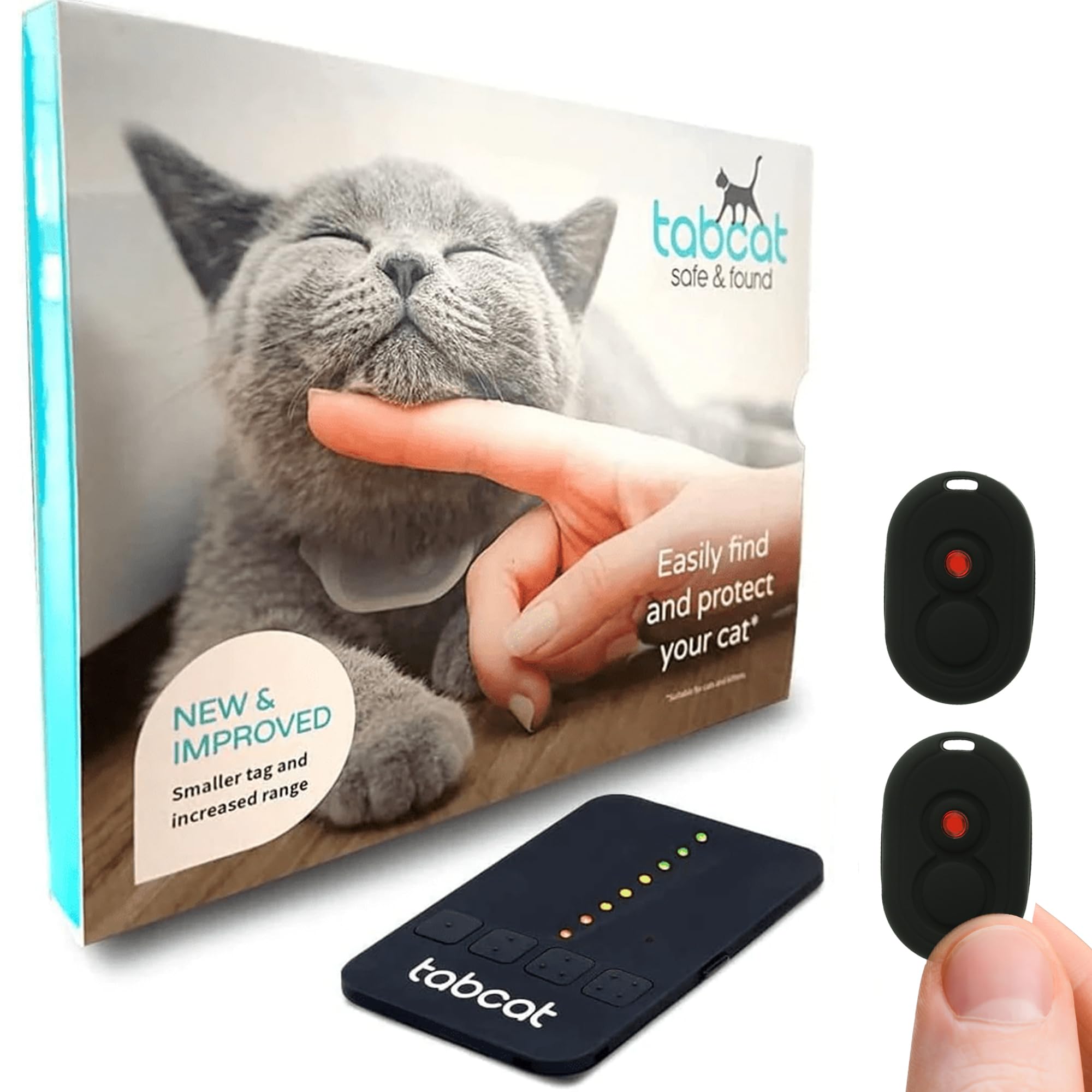
By locking onto multiple satellites, the collar unit pinpoints latitude and longitude, refreshing every few minutes so the guardian can follow the cat’s route on a phone map.
Geofencing
Users draw a virtual fence around the garden or block. If the cat steps outside the line, the app pushes an instant notification.
Activity Monitoring
Built-in accelerometers count steps, jumps and nap cycles, turning raw motion into daily exercise summaries that can flag sudden lethargy or hyperactivity.
Benefits of Cat Locators
Enhanced Pet Safety
Real-time coordinates shorten search time if a cat fails to return, reducing exposure to traffic, dogs or other hazards.
Improved Pet Health
Steady activity records help owners notice subtle shifts—an unusually quiet Wednesday or a midnight sprint streak—that might warrant a vet visit.
Peace of Mind
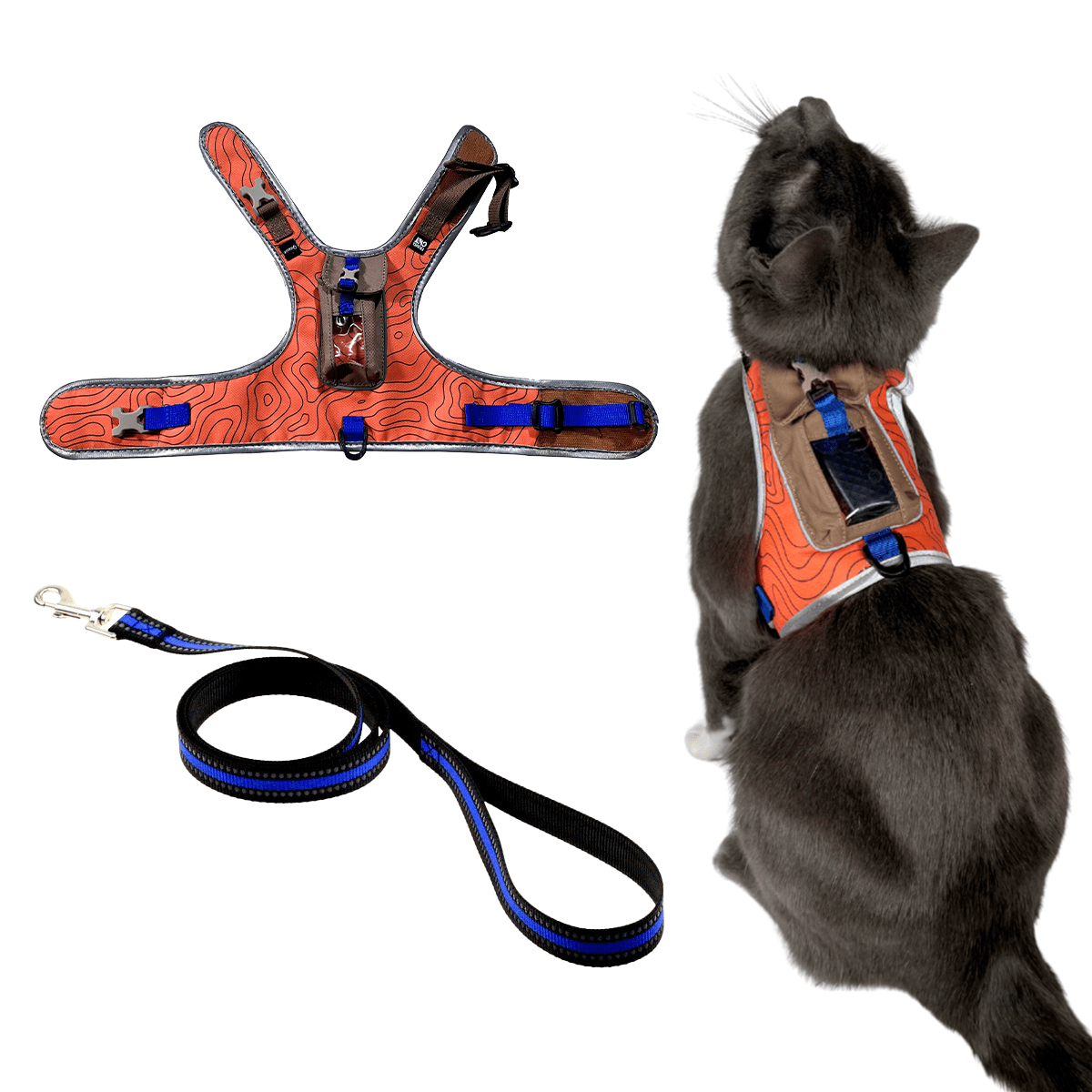
Simply glancing at the map and seeing the familiar dot asleep under the neighbour’s hedge eases worry and lets guardians get on with their own day.
Challenges and Limitations
Cost
Hardware prices have fallen, yet most services still require a monthly data plan that can add up over years of use.
Battery Life
Live-tracking collars typically need a recharge every two to five days, a rhythm some owners find hard to maintain.
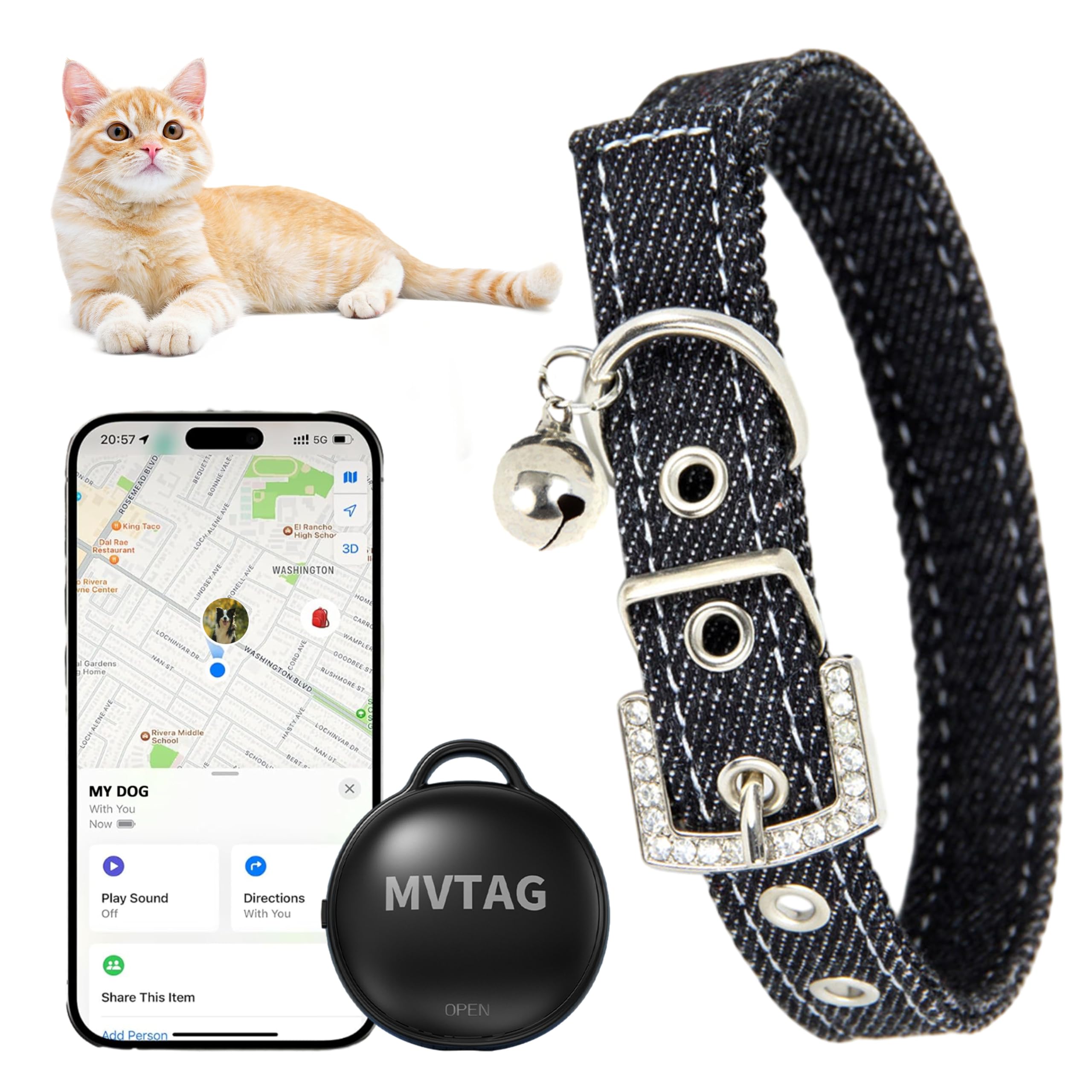
Accuracy
Urban canyons, dense woodland or heavy cloud can scatter satellite signals and nudge the reported spot a garden or two away from the true position.
Case Studies and Research
Study on Cat Locators and Pet Safety
A veterinary-behaviour research team followed 100 outdoor cats whose owners used GPS collars. Over a six-month period, the rate of animals reported missing dropped sharply compared with the previous half-year.
Research on Cat Locators and Pet Health
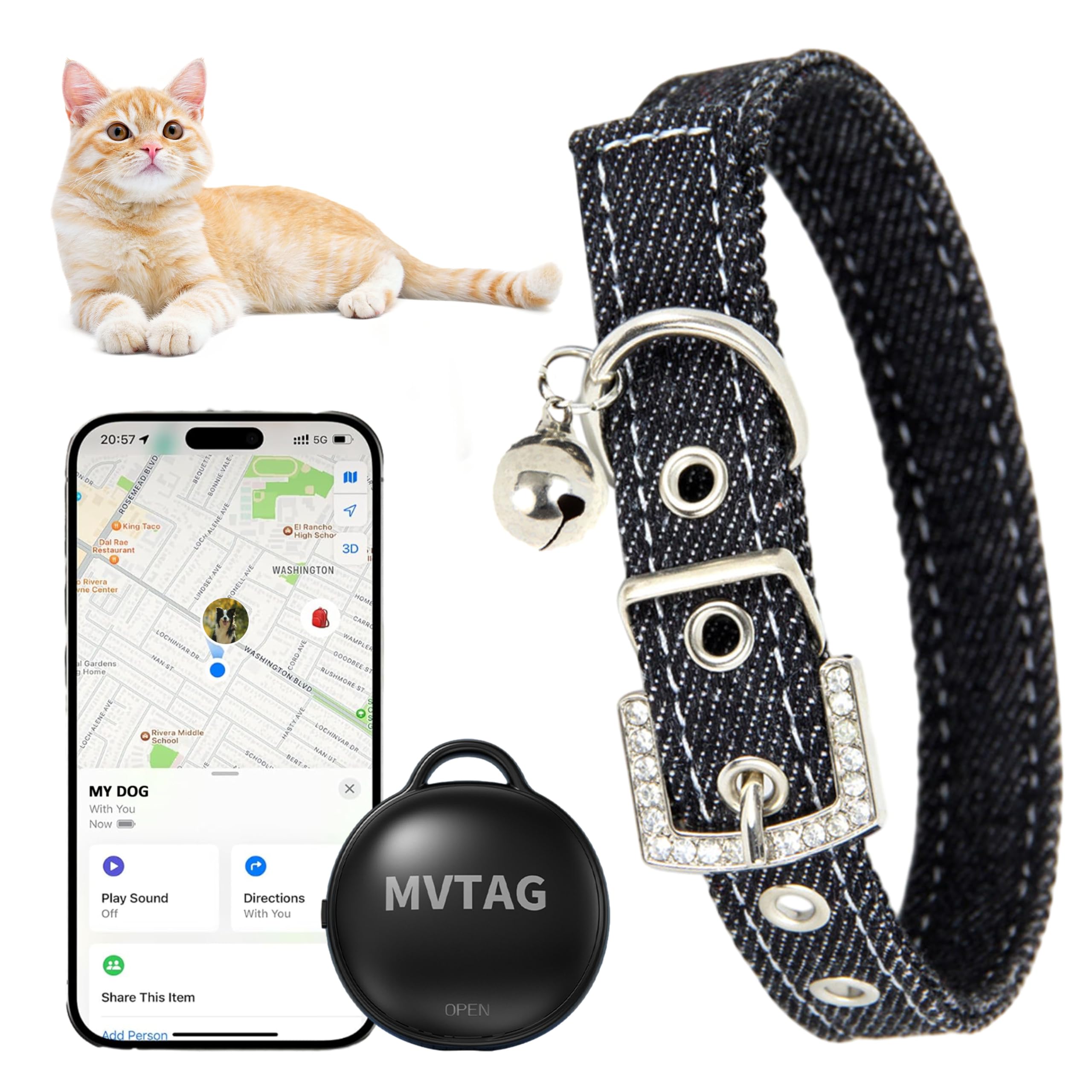
In a separate survey published by a feline-medicine journal, owners who checked weekly activity summaries spotted early signs of illness—such as reduced jumping—an average of four days sooner than those without trackers.
Conclusion
From rudimentary radio beepers to cloud-connected smart tags, cat locators have matured into practical guardianship tools. Despite subscription fees and the need for regular charging, the payoff in safety, health awareness and owner serenity makes them a worthwhile addition to modern cat care. Continued refinements in battery chemistry and antenna design promise even smaller, longer-lasting and more accurate devices ahead.
Recommendations and Future Research
Recommendations for Pet Owners
Compare several models for size, water resistance and subscription cost before buying. Once fitted, check the collar daily for snugness and skin comfort, and set a phone reminder for charging.

Future Research Directions
Developers should aim for solar-assisted power cells and machine-learning algorithms that distinguish normal roaming from genuine escape patterns. Long-term studies could also explore whether constant location monitoring alters feline stress levels or territory use.


