


The Impact of a Local Animal Welfare Network on Community Pet Care
Introduction
A neighborhood animal-welfare group has quietly become a lifeline for pets and people across the region. Created to curb the number of homeless companion animals, the network now runs adoption events, wellness clinics, and school talks that ripple outward into safer streets and happier households. This overview explores how the initiative works, why it matters, and what its growth could mean for similar towns everywhere.
The Mission Behind the Movement
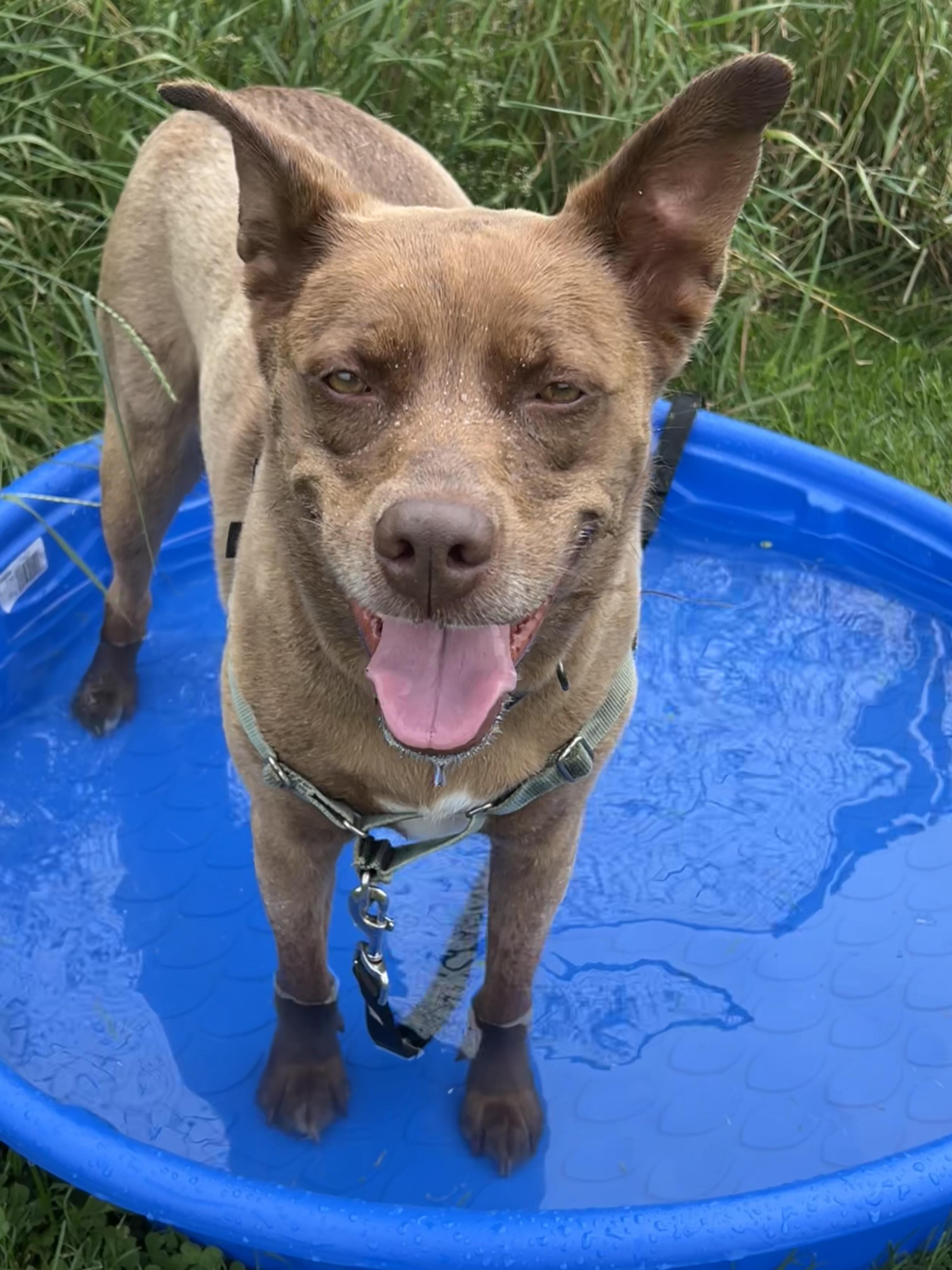
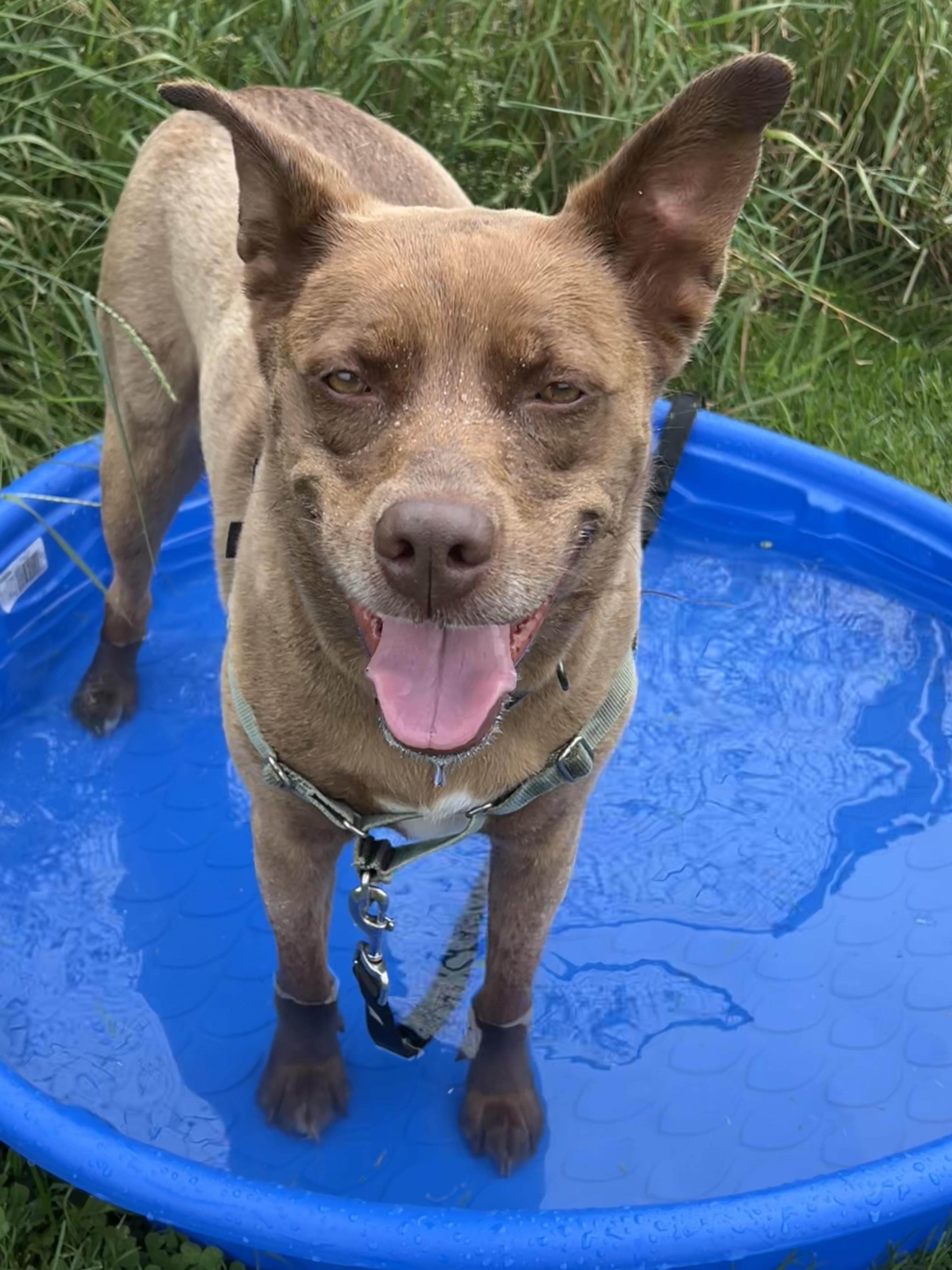
The group was built on a simple promise: every animal deserves a second chance. Volunteers rescue, rehabilitate, and re-home dogs, cats, and small critters, while also supporting owners who want to keep their pets rather than surrender them. By pairing compassion with practical help, the organization has turned into a trusted community hub.
Programs and Services Offered
Adoption Services
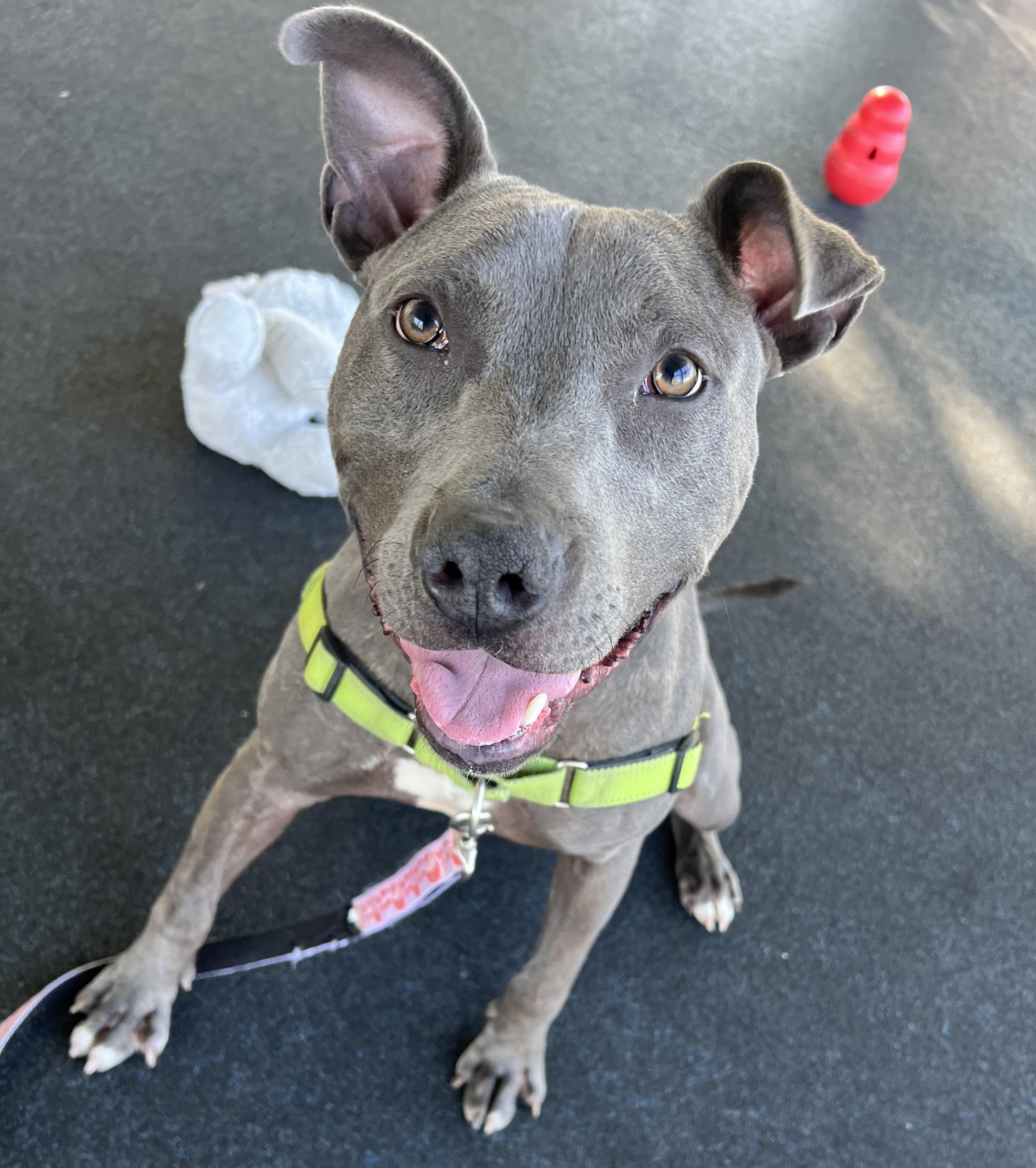
Prospective families meet animals in a relaxed setting, fill out a short questionnaire, and receive follow-up advice for a smooth transition home. The process emphasizes lifelong matches rather than quick placements, lowering return rates and stress for both pets and people.
Spay and Neuter Clinics
Monthly clinics offer affordable sterilization surgeries, vaccinations, and basic wellness checks. Booking is done online in both English and Spanish, removing language and cost barriers that often prevent preventive care.
Education and Community Outreach
From library story hours with mellow rescue cats to after-school clubs that build dog houses, the team spreads bite-size lessons on grooming, nutrition, and the benefits of fixing pets. Local vets and trainers donate time, giving residents free access to professional guidance.
The Impact on the Neighborhood
Fewer Animals on the Streets
Within three years, sightings of loose dogs and feral cat colonies have noticeably declined. Trap-neuter-return efforts, paired with adoption drives, mean more animals leave the streets alive and never return to reproduce.
Healthier Pets Overall
Lower birth rates translate into fewer contagious outbreaks. Clinic data show a measurable drop in parvo and upper-respiratory infections, while average body-condition scores of client animals trend upward.

Stronger Human Connections
Shared volunteer shifts and weekend adoption fairs spark conversations among neighbors who might never meet otherwise. Pet food donation bins in local stores encourage daily acts of kindness, knitting the community a little tighter.
Voices from the Field
Success stories pour in almost weekly. One recent highlight involves a shy beagle found wandering near a park. After medical care and basic training, he now accompanies a retired teacher on daily walks, providing companionship and gentle exercise. His new guardian says the adoption “added purpose to every morning.”
Challenges and Next Steps
Rising medical costs, a constant need for foster space, and summer kitten surges still strain resources. Yet creative solutions—online fundraising art auctions, corporate “paw-ternity” sponsorships, and student service hours—keep the mission moving forward.
Conclusion
By combining adoption events, sterilization clinics, and steady public education, the grassroots network has improved day-to-day life for animals and residents alike. Continued collaboration with schools, businesses, and city services promises even wider benefits in the years ahead.
Recommendations and Future Research
To extend this positive trend, stakeholders could:
1. Launch a quarterly newsletter spotlighting adoptable pets and clinic dates.
2. Apply for green-space grants to create a small off-leash training park that doubles as an education venue.
3. Partner with social-work programs to identify pet-owning families in need of temporary fostering during housing crises.
Long-term studies tracking neighborhood intake and euthanasia rates, as well as surveys on resident attitudes toward animals, would supply valuable data for replication in other towns.


