

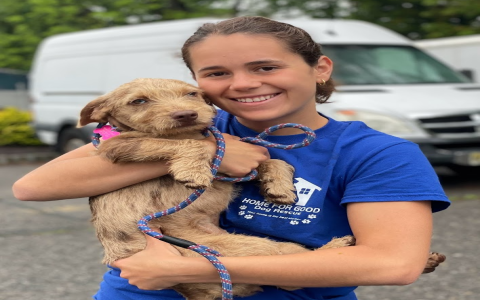
The Importance of Puppy Rescue: A Comprehensive Overview
Introduction
Puppy rescue has grown into a global effort to give abandoned dogs a fresh start. This article explores why the movement matters, how it changes canine lives, and the positive ripple effects it creates for neighborhoods and animal welfare in general. By looking at different facets of rescue work, we hope to underline its value and inspire more people to get involved.
The Problem of Abandoned Dogs
The Scale of the Issue

Each year, millions of dogs are left at shelters worldwide. Limited space and resources mean many never make it to a permanent home, highlighting an urgent need for intervention and sustained support.
Causes of Abandonment
Several factors lead to dogs being given up:
– Financial Hardship: Vet bills, food, and other expenses can overwhelm owners facing economic strain.
– Lifestyle Shifts: Moves, new jobs, or family changes sometimes result in pets no longer fitting into household plans.
– Neglect or Mistreatment: In unfortunate cases, animals are simply abandoned when care becomes inconvenient.

The Role of Puppy Rescue Organizations
The Mission of Puppy Rescue
Rescue groups focus on three core goals:
– Rescue: Pull at-risk dogs from shelters and unsafe conditions.
– Rehabilitate: Supply medical treatment, nutritious food, and safe foster homes.
– Rehome: Match healthy, socialized dogs with responsible, loving families.

Success Stories
One memorable example involved a severely underweight pup found on the roadside. After weeks of veterinary care and foster support, the dog gained weight, learned basic commands, and settled into an active household where daily hikes replaced former neglect.
The Benefits of Puppy Rescue
Improved Animal Welfare
Rescue networks ensure homeless dogs receive vaccinations, spay or neuter surgery, and behavioral enrichment, raising overall quality of life.
Strengthening Communities

Adoption events, school visits, and volunteer days foster empathy and civic pride, encouraging residents to care for both animals and each other.
Reducing Euthanasia Rates
By moving dogs into foster or adoptive homes, rescues ease shelter overcrowding and decrease the number of animals facing unnecessary euthanasia.
Challenges and Solutions
Funding and Resources
Budget constraints are constant. Groups can:

– Seek Donations: Appeal to individual donors, local businesses, and grant-making foundations.
– Host Fundraising Events: Plan fun-runs, online auctions, or community fairs to generate steady income.
Finding Suitable Adopters
Matching the right dog to the right home takes effort. Strategies include:
– Educate Potential Adopters: Offer guidance on exercise needs, training, and long-term costs.
– Collaborate with Shelters: Share profiles of dogs ready for adoption and coordinate meet-and-greet sessions.

Conclusion
Puppy rescue remains a lifeline for countless dogs and a catalyst for kinder communities. Continued support—whether through adoption, fostering, donations, or volunteering—helps sustain this essential safety net.
Recommendations and Future Research
To boost impact further, consider these steps:
– Increase Public Awareness: Use social media, local media, and school programs to spotlight rescue success and responsible ownership.
– Strengthen Collaboration: Encourage rescues, veterinarians, trainers, and municipal shelters to share data and resources.

– Support Research: Fund studies on abandonment triggers and evidence-based rehoming practices to refine future strategies.
In short, puppy rescue is a shared responsibility that yields visible rewards. By working together, we can give more dogs the loving futures they deserve and nurture a culture of compassion for all living beings.


