

Are Dogs Free to Roam in Shelters: Exploring Animal Welfare and Adoption
Introduction
The idea of allowing dogs to move freely within shelters has sparked growing discussion among caregivers, volunteers, and prospective adopters. This article examines what “freedom” means in a shelter setting, how it influences canine well-being, and the ways it can shape adoption outcomes. By weaving together practical experience and welfare science, the text outlines both the benefits and the hurdles of giving dogs more room to be themselves while they wait for new homes.
The Meaning of Canine Freedom Inside Shelters
What Does “Free” Actually Imply?

In a shelter environment, “free” can describe anything from relaxed kennel schedules to larger play zones, or even the emotional comfort that comes from reduced confinement. Recognizing these subtle differences helps managers craft policies that keep dogs happier and healthier during their stay.
Why Physical Space Matters
Room to stretch, sniff, and sprint is not a luxury; it is a basic ingredient for sound mental health. When dogs can exercise natural behaviors, stress hormones drop, restlessness fades, and friendly personalities shine through—traits that adopters notice immediately.
How Freedom Shapes Behavior and Adoption
Behavioral Pay-Off
Dogs accustomed to daily play sessions and social walks tend to greet visitors with relaxed tails and soft eyes. Those positive first impressions often translate into faster matches with families.

Adoption Speed
A calm, curious dog is simply more photogenic and memorable. Shelters that provide enrichment and open areas regularly report shorter average lengths of stay, freeing up resources for the next animals in need.
Obstacles to Manage
Resource Demands
More space, sturdy fencing, and extra staff hours all carry price tags. Facilities must weigh these costs against the clear gains in welfare, seeking creative funding or volunteer support where possible.
Safety Considerations
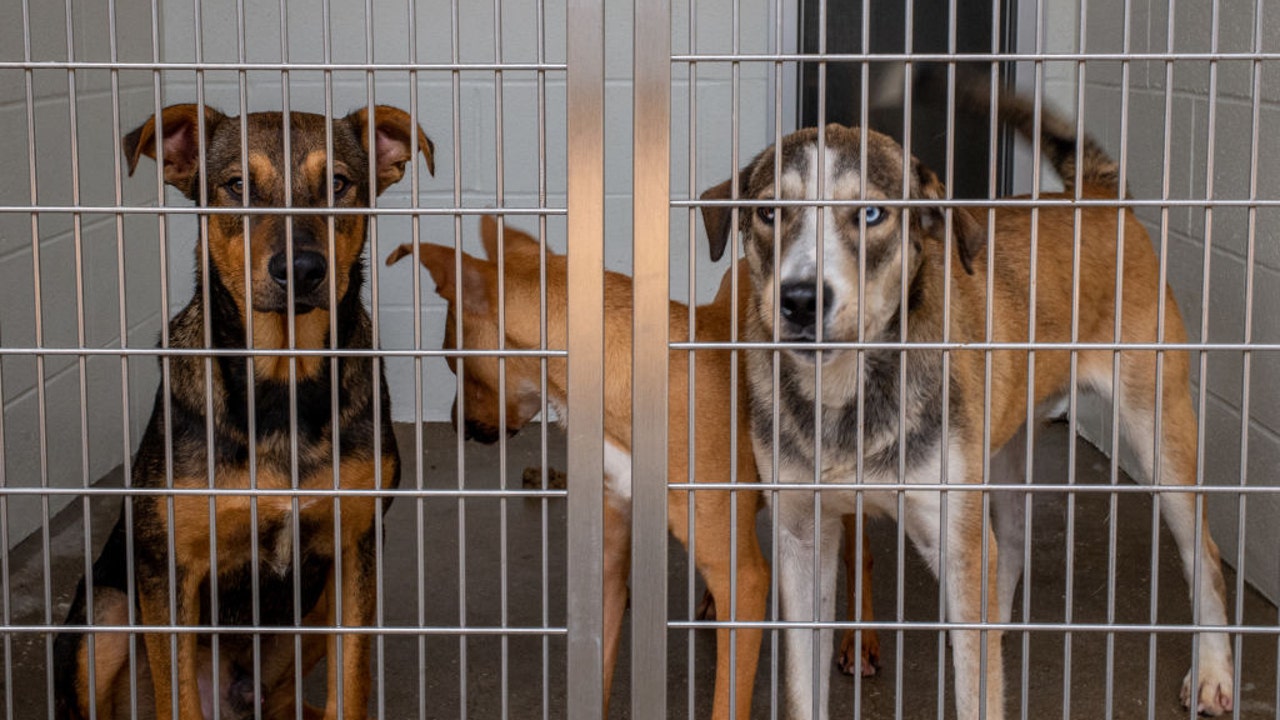
Unrestricted movement can raise valid concerns about scuffles or door-darting. Clear protocols—such as double-gated entries and supervised group play—help keep both two-legged and four-legged visitors safe.
Proven Strategies
Thoughtful Layout
Successful shelters integrate indoor suites with attached outdoor runs, provide varied terrain, and include quiet corners for naps. These zones let dogs choose activity or rest, reducing kennel fatigue.
Staff Skills
Handlers trained in low-stress restraint, enrichment design, and subtle body-language cues can prevent problems before they start, ensuring that freedom never equals chaos.
Community Partnership
Orientation sessions for volunteers and adoption-event guests build confidence. When people understand how to approach a loose shelter dog, interactions stay positive and adoption interest grows.
Professional Insights
Dr. A. Lee, Veterinary Behaviorist
“Movement and choice are powerful medicine. Even short off-leash playgroups can lower cortisol levels and accelerate recovery from the trauma of abandonment.”
Maria Ortiz, Shelter Director

“Yes, open layouts demand tighter scheduling and vigilant supervision, but the payoff is visible: brighter eyes, looser bodies, and wagging tails that walk straight out the front door with new families.”
Conclusion
Granting dogs greater freedom within shelters is less a single policy than a continuous balancing act between welfare ideals and everyday realities. With smart design, informed staff, and an engaged public, shelters can transform confinement into temporary comfort, boosting both quality of life and adoption prospects for the dogs in their care.
Next Steps and Research Ideas
Recommendations
– Prioritize facility upgrades that add secure exercise zones and visual barriers to reduce overstimulation.
– Implement regular staff workshops on canine body language, enrichment games, and safe introduction techniques.
– Launch public outreach that teaches respectful greeting skills and highlights the benefits of adopting a socially active dog.
– Track behavior scores, length of stay, and post-adoption returns to measure the real-world impact of freer movement.
Future Research
– Follow dogs over multiple years to see whether early shelter freedom correlates with reduced behavioral problems in the home.
– Test emerging technologies—such as smart gates or activity sensors—that could let dogs roam while maintaining security.

– Analyze cost-benefit data to help shelters of all sizes justify investment in spacious, enrichment-centered housing.


