

The Role and Impact of Corgi Breeders in the Heartland
Introduction
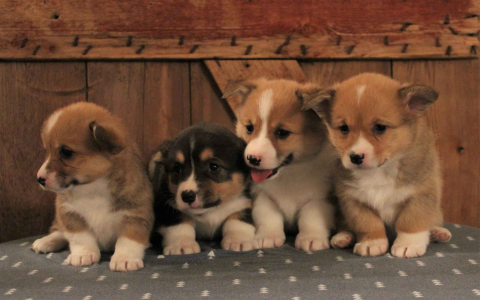
Dedicated corgi breeders across the Midwest have quietly influenced the national popularity of this cheerful herding dog. With its foxy face and short legs, the corgi has moved from farmyards to family sofas in recent decades. This overview looks at how careful breeders nurture the breed, why their work matters, and what hurdles they confront while trying to keep puppies healthy and happy.
The Role of Responsible Corgi Breeders
Breeding Standards
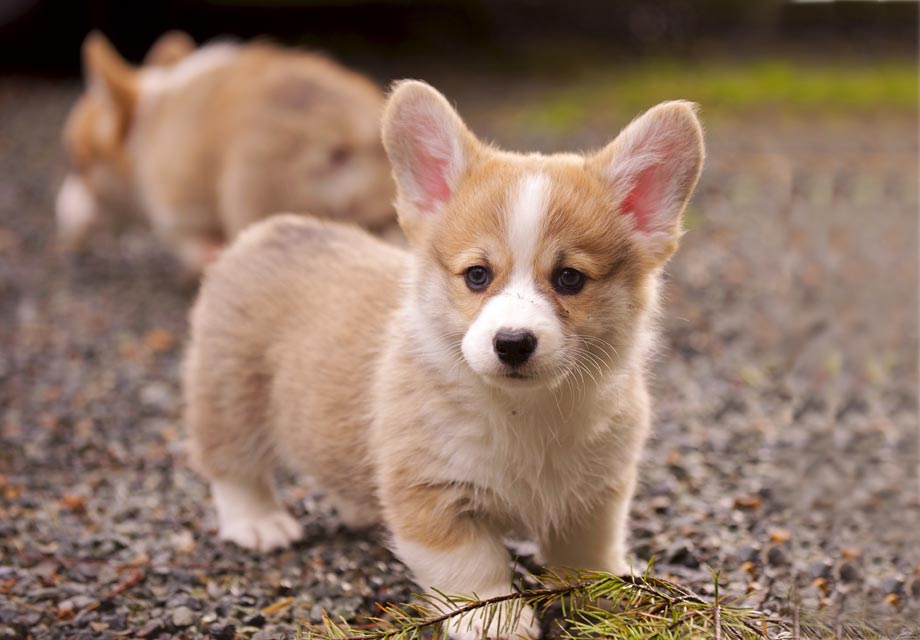
Reputable breeders follow guidelines that place health and temperament ahead of color or size. They study pedigrees, screen for sound hips and hearts, and match dogs that complement one another in body and mind. These careful choices raise the chances of robust, even-tempered pups.
Health and Genetic Testing
Before any mating, adults are tested for inherited conditions common to the breed, such as eye disorders or spinal weaknesses. Clear results are recorded, and affected dogs are retired from breeding. This routine screening steadily lowers the risk of painful diseases in future litters.
Training and Socialization
Good breeders start socialization early: vacuum cleaners, children, and different surfaces all become part of a puppy’s daily experience. Basic manners like sitting for attention or walking on a leash are introduced before pups leave for new homes, giving families a head start on training.
The Impact of Ethical Breeding Programs
Contribution to the Corgi Community
By participating in shows, obedience trials, and local meet-ups, conscientious breeders share knowledge and celebrate the breed’s versatility. Many also volunteer with rescue groups, offering foster space or training tips that help corgis find second chances.
Economic Impact
Small kennels support veterinarians, groomers, feed stores, and pet insurers. When visitors travel to meet a litter, they book hotels, eat at cafés, and shop locally, sprinkling extra income across rural towns.
Conservation Efforts
Rather than chasing the latest fad color, preservation breeders maintain the original working traits that once herded cattle. They introduce new bloodlines when necessary, keeping the gene pool wide and the breed resilient for generations to come.

Challenges Faced by Breeders Today
Legal and Ethical Concerns
Rules on kennel size, vaccination records, and sales contracts vary by county and can change without warning. Ethical breeders budget for inspections, keep spotless records, and refuse to sell to impulse buyers, even when that means turning down quick cash.
Market Demand and Competition
Internet ads promise instant puppies with no questions asked. These mass producers often skip health tests and proper weaning. Ethical breeders struggle to educate buyers on why a higher upfront price can spare them heartbreaking vet bills later.
Genetic Diversity Concerns
Fashionable sires may appear in dozens of pedigrees, narrowing the gene pool. Balancing the desire for predictable type with the need for fresh genes requires constant research, long drives to distant studs, and sometimes accepting a lesser-known dog that carries rare ancestry.
Conclusion
Thoughtful corgi breeders act as stewards of a living heritage. Their daily choices—health screenings, careful socialization, and transparent sales—shape not only the next litter but also the public’s perception of the entire breed. By valuing welfare over profit and education over hype, they ensure that future families will continue to welcome sturdy, smiling corgis into their homes and hearts.


