


The Impact of National Adoption Initiatives on Foster Care and Children Awaiting Families
Introduction
National adoption initiatives have long worked to secure permanent, nurturing homes for children who cannot return to their birth families. By focusing on stability, love, and a renewed sense of belonging, these programs serve as a vital bridge within the foster-care network. This article examines how such efforts influence the lives of children in care, outlining both the measurable gains and the persistent obstacles that shape their journeys.
The Role of National Adoption Initiatives
These initiatives operate by matching children in foster care with screened, prepared caregivers who can offer safe, lasting homes. Services typically include pre-placement guidance, ongoing family support, and access to counseling for everyone involved. Through this continuum of care, the programs strive to maximize each child’s prospect of finding a forever family.
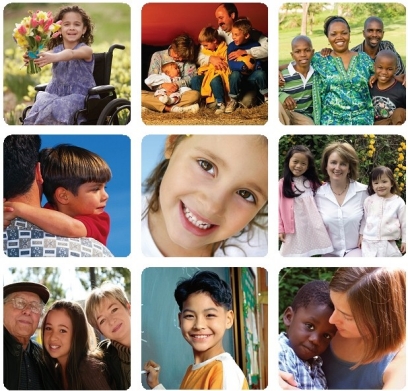
Positive Outcomes
Research consistently shows that children who move from foster care to adoption tend to experience stronger educational progress, steadier employment in adulthood, and improved emotional well-being than peers who remain in temporary placements. Comprehensive support before and after placement is a key factor in these brighter trajectories.
Educational Outcomes
When adoptive families receive practical tools—such as tutoring assistance and school liaison support—children are more likely to stay on grade level, graduate on time, and consider higher education or vocational training. Stable home life allows students to focus on learning rather than on daily uncertainty.
Mental Health and Well-being
Consistent caregiving and the legal security of adoption often translate into higher self-esteem, lower anxiety, and stronger peer relationships. Access to trauma-informed therapy and support groups further helps children process earlier adversity and build resilience.
Challenges Faced
Despite encouraging results, several hurdles remain. A shortage of prospective adopters, complicated legal steps, and the emotional complexities of parenting children who have experienced neglect or abuse can slow permanency timelines and strain resources.
Legal and Financial Barriers
Lengthy court procedures, varying state requirements, and out-of-pocket expenses can discourage otherwise qualified families. Streamlined paperwork, uniform training standards, and targeted grants or subsidies could reduce these deterrents.
Emotional and Psychological Challenges
Adoptive parents may encounter behavioral issues rooted in past trauma. Without readily available counseling and peer mentorship, stress can mount, occasionally leading to placement disruption. Proactive training and 24-hour crisis lines have proven effective in stabilizing families.

The Importance of Continued Effort
Securing permanent homes interrupts cycles of housing instability, school changes, and emotional upheaval. By prioritizing timely permanency, society invests in healthier future citizens and stronger communities.
Conclusion
Adoption-centered programs have already transformed thousands of young lives, boosting educational attainment, mental health, and overall stability. Yet legal complexities and caregiver support gaps still require attention. Continued refinement of policy, funding, and family services will ensure that every child who cannot safely return home still has a clear path to lifelong belonging.
Recommendations and Future Research
To build on current progress, stakeholders should:

1. Launch nationwide public-awareness campaigns that highlight the need for adoptive families and celebrate successful adoptions.
2. Harmonize state laws and simplify court processes to shorten wait times and lower costs.
3. Guarantee long-term post-adoption services, including respite care, trauma counseling, and peer support networks.
Future studies should track educational, health, and social outcomes for adoptees over decades, evaluate which support services most effectively prevent disruption, and assess the cost-benefit ratio of front-loaded family assistance versus extended foster care. Evidence gathered can guide smarter investment and policy, ensuring that permanency efforts remain both compassionate and effective.
Ultimately, the goal is shared: every child deserves a safe, loving, and enduring family. By strengthening adoption initiatives today, we create stronger, more hopeful communities tomorrow.


