


Title: Silver Sparks: How a New Wave of Dating Apps Is Rekindling Romance After 60
Introduction
In recent years, the landscape of digital matchmaking has quietly shifted. While most headlines still spotlight twenty-somethings swiping in big cities, a quieter revolution has been unfolding among retirees. A growing number of platforms now cater exclusively to users in their golden years, offering age-appropriate tools for friendship, romance, and everything in between. This piece explores how these senior-focused services are reshaping later-life connection and why their popularity keeps climbing.
The Emergence of Senior-Focused Platforms
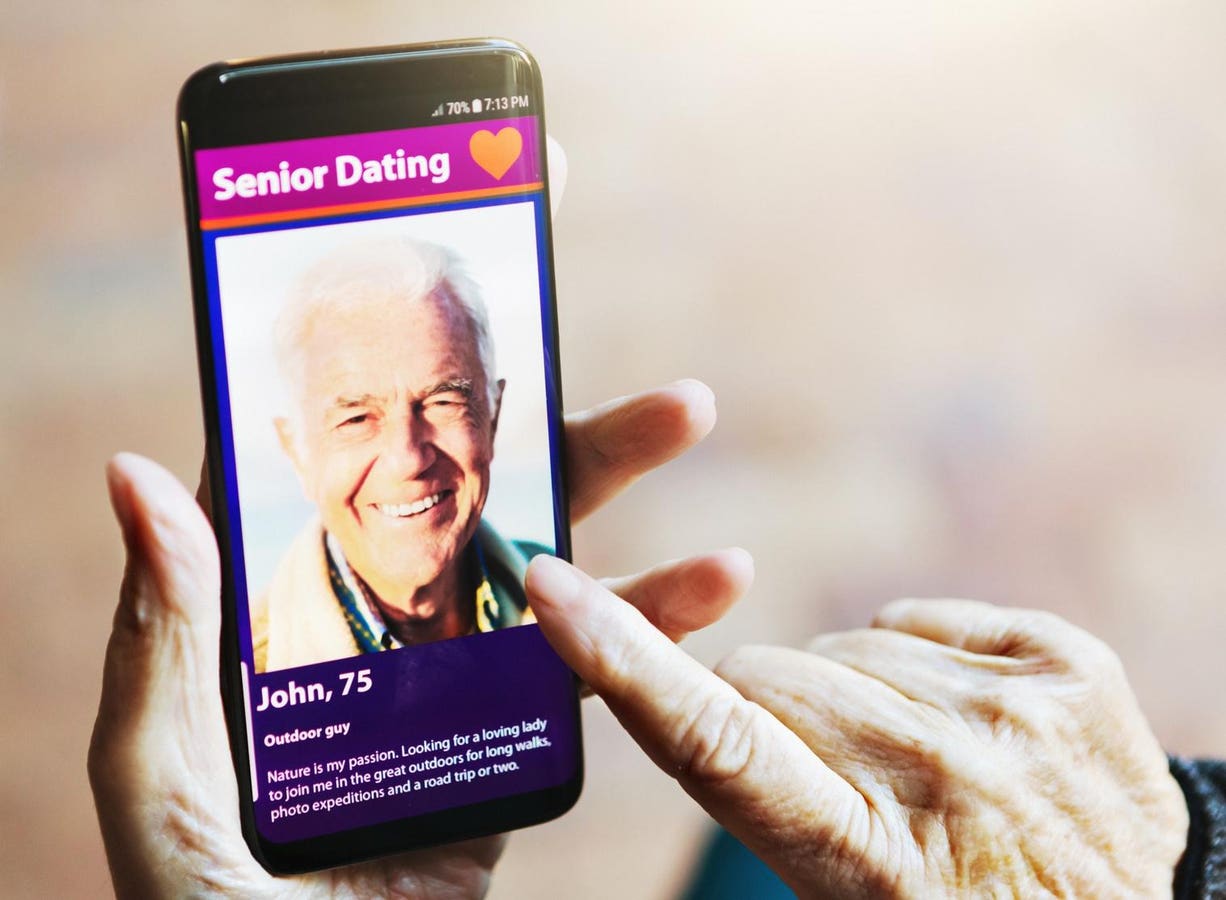
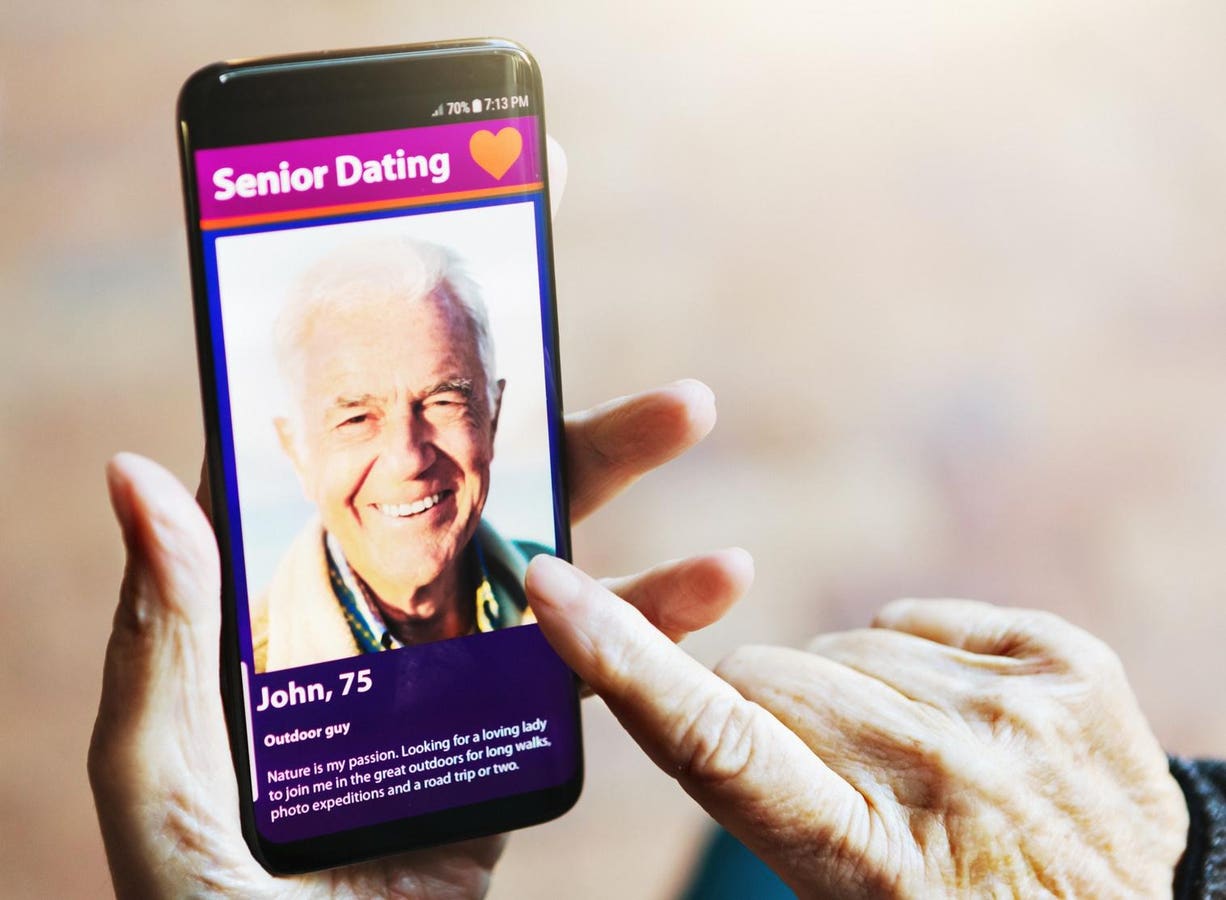
Launched midway through the last decade, one standout app set its registration floor at fifty and never looked back. Large text, high-contrast buttons, and voice-over compatibility replaced flashy animations, while interest tags such as “bridge nights” and “coastal walks” replaced nightclub selfies. The result feels less like a game and more like a friendly community noticeboard—an approach that has drawn millions of newcomers who never imagined themselves “downloading dating.”
The Impact on Everyday Life
First and foremost, these networks tackle isolation. Researchers have long warned that prolonged solitude can chip away at mental and physical health, yet traditional social channels—church halls, bowling leagues, neighborhood cafés—aren’t always enough when friends move away or mobility declines. A tablet in the living room now opens the door to breakfast companions, travel buddies, or even a dance partner two towns over.
Equally important is the confidence boost. After decades of caring for others, many retirees hesitate to put their own happiness first. Browsing profiles at their own pace reminds them that curiosity, humor, and affection don’t retire at sixty-five. Each mutual “wave” or friendly chat becomes proof that connection is still very much on the table.
Key Advantages for Older Users
Safety sits at the top of the list. Mandatory photo verification, encrypted messaging, and round-the-clock moderators reduce the risk of scams that often target seniors elsewhere online. Clear block-and-report buttons empower users to curate their experience without fuss.
Design matters too. Adjustable font sizes, simplified menus, and optional tutorial videos lower the learning curve. Advanced filters let members sort by activity preferences—gardening, genealogy, golf—so conversations start on common ground. Built-in ice-breakers such as “Share your favorite travel memory” replace the awkward “Hey” that haunts mainstream apps.
Stories That Warm the Heart
Take the retired librarian who matched with a fellow book-lover during a snowstorm; they now run a small neighborhood reading club together. Or the widowed engineer who rekindled his passion for dancing after meeting a former instructor online. These anecdotes circulate in community newsletters and family group chats, quietly encouraging others to log in and look up.
Hurdles Still to Clear
No platform is perfect. Some newcomers encounter unwanted messages or feel overwhelmed by choice. Continuous education—short articles, short videos, even live webinars—helps users spot red flags and set comfortable boundaries.
Cultural stigma also lingers. A handful of older adults worry that looking for love late in life seems frivolous. Yet every positive story chips away at that myth, replacing embarrassment with curiosity and, eventually, enthusiasm.
Conclusion
Specialized dating tools have proven that emotional connection does not come with an expiry date. By easing loneliness, restoring agency, and building micro-communities, they enrich later life in ways traditional social networks sometimes miss. As more developers recognize the spending power and emotional needs of seniors, the ecosystem will only grow safer, smarter, and more welcoming.
Ultimately, the success of these platforms reminds society that technology is at its best when it bridges human gaps rather than widens them. Continued research into usability, long-term wellness outcomes, and inclusive design will ensure tomorrow’s retirees can swipe, click, or tap their way to companionship without missing a beat.
Looking ahead, innovators would do well to apply the same age-friendly lens to other corners of digital life—learning hubs, travel clubs, volunteer marketplaces—so that people of every generation can stay curious, connected, and joyfully, unmistakably alive.


