


Cockapoo Rescue New England: A Lifeline for Mixed-Breed Dogs
Introduction
The Cockapoo—a cheerful cross between a Cocker Spaniel and a Poodle—has become a favorite for families seeking a friendly, low-shedding companion. Yet popularity does not protect every dog from neglect or abandonment. A regional rescue group devoted to this mix steps in when these dogs lose their homes, offering safety, rehabilitation, and a fresh start. This article highlights why such specialized rescues matter, how they shape local communities, and what hurdles they confront.
The Importance of Specialized Rescue Work
A Safe Haven for Dogs in Need
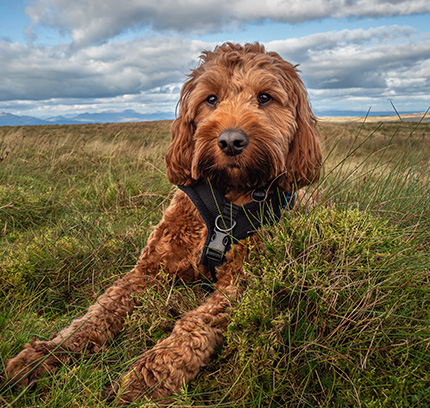
The organization opens its doors to Cockapoos who have been surrendered, found stray, or removed from unsafe conditions. Volunteers provide veterinary care, balanced meals, daily exercise, and gentle socialization, giving each dog time to heal physically and emotionally before meeting potential adopters.
Promoting Adoption of Mixed Breeds
By sharing success stories and hosting meet-and-greet events, the group shows families that mixed-breed dogs possess the same loyalty and charm as purebreds. Each adoption both transforms an individual dog’s life and eases pressure on crowded shelters.
Teaching Responsible Pet Care
Workshops on grooming, training, and lifelong commitment help future owners understand what a Cockapoo needs to thrive. These sessions also stress the value of spay/neuter, identification tags, and gradual introductions to children or other pets, reducing the chance that a dog will later be returned.
The Impact on Dogs and People
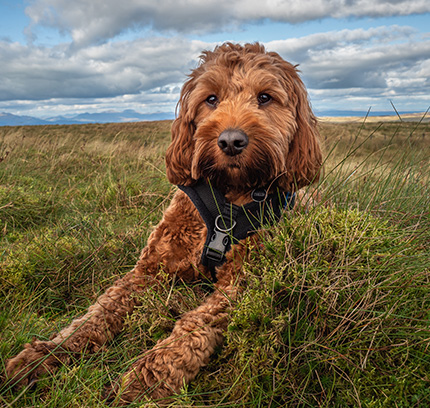
Saving Lives, One Tail at a Time
Since opening, the rescue has placed hundreds of dogs in vetted homes. Each adoption creates space for another dog in need and proves that second chances are possible when compassion meets action.
Building a Caring Community
Foster families, donors, and adopters often stay connected long after a dog goes home. Group walks, holiday photo contests, and online forums turn strangers into friends united by love for these curly-coated companions.
Challenges Along the Way
Limited Funds and Supplies
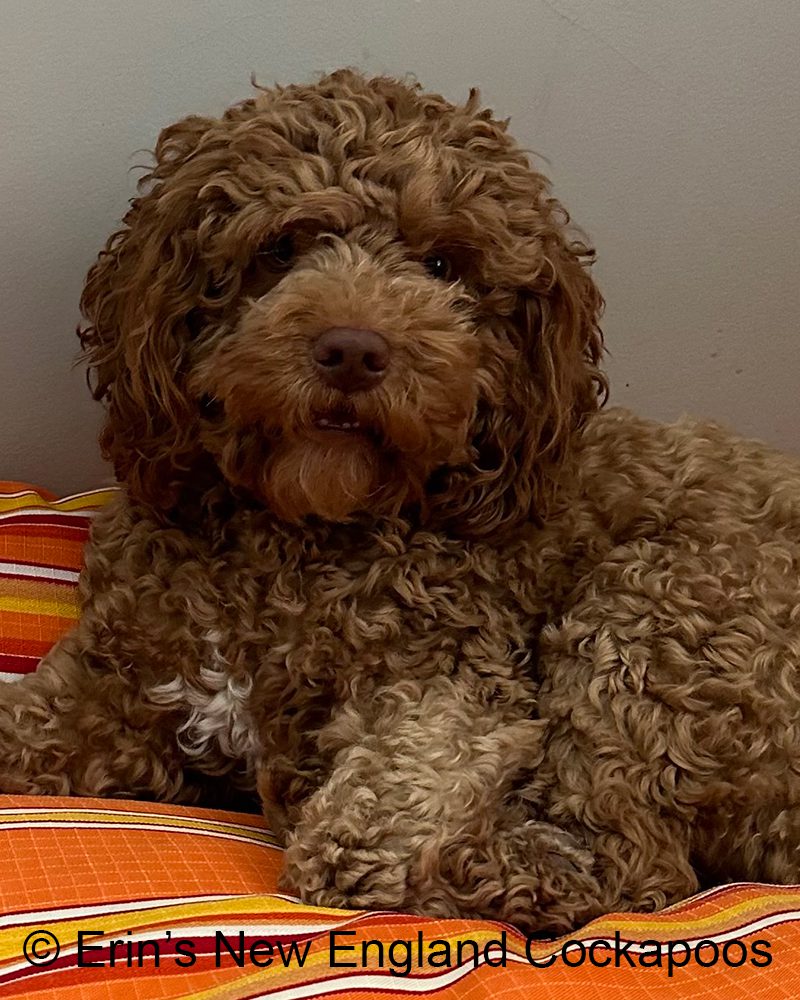
Like most nonprofits, the program depends on contributions, small grants, and weekend fundraisers. Veterinary bills, quality food, and emergency surgeries add up quickly, forcing tough choices about how many dogs can be helped at once.
Relentless Shelter Overcrowding
Across the region, intake numbers remain high. Without widespread spay/neuter and public education, the flow of unwanted dogs outpaces available homes, stretching foster networks thin.
Conclusion
By sheltering vulnerable dogs, championing adoption, and guiding new owners, this focused rescue improves animal welfare throughout New England. Continued community support—whether through fostering, donating, or simply spreading the word—will determine how many more happy endings can be written.
Recommendations and Future Research
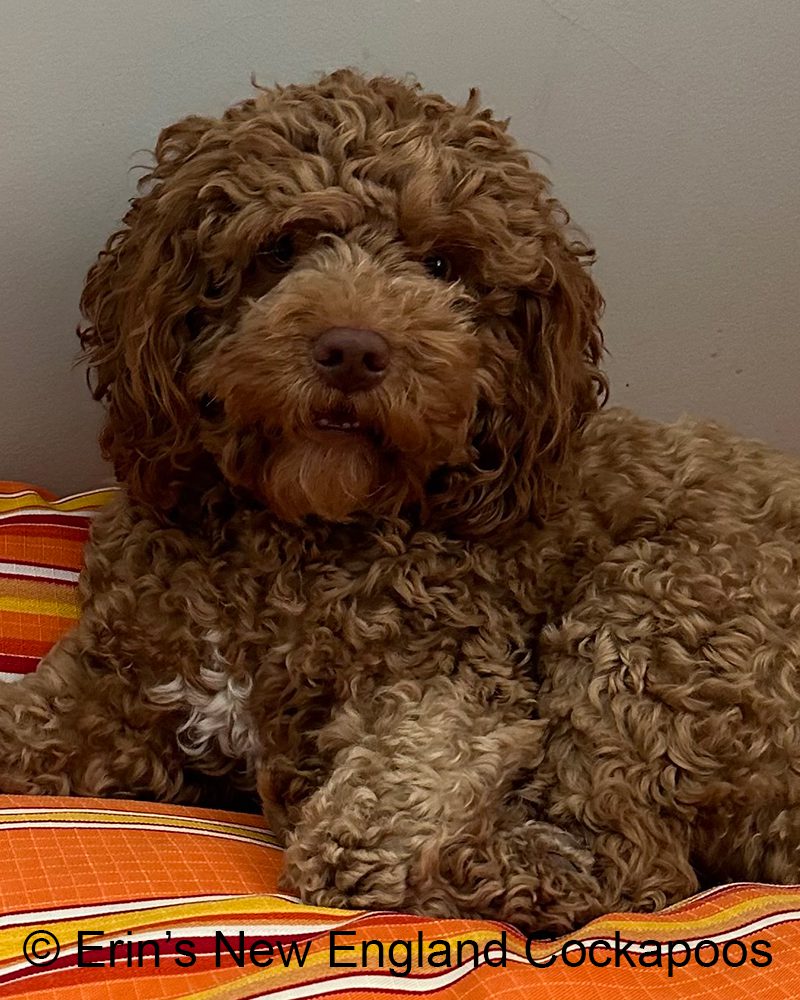
To strengthen the mission, consider these steps:
1. Expand outreach campaigns that celebrate mixed-breed adoption and highlight the joys of life with a Cockapoo.
2. Partner with veterinary clinics and national animal groups to offer low-cost spay/neuter clinics in underserved neighborhoods.
3. Diversify fundraising via monthly donor circles, corporate sponsorships, and online wish-list drives for everyday supplies.
Areas worth studying further include:
1. Long-term retention rates of adopted Cockapoos and factors that keep them in their new homes.

2. Measurable changes in community attitudes toward rescue dogs after targeted education efforts.
3. Best-practice protocols for reducing stress and accelerating rehabilitation in foster care.
Pursuing these strategies and research questions can help ensure that every wagging tail finds a lasting, loving family.

