

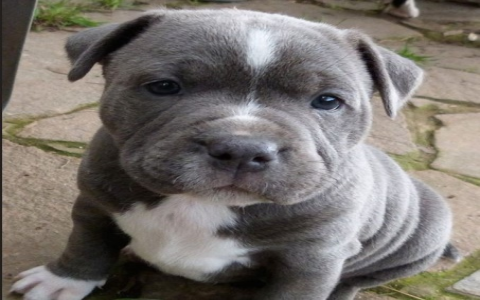
Pitbull Adoption Guide: How to Welcome the Right Dog into Your Life
Introduction
The pitbull-type dog is celebrated for devotion, athleticism, and quick wits, making it a favorite among active households. Still, locating a healthy, well-adjusted companion takes patience. This guide outlines how to identify ethical sources, understand the breed’s needs, and prepare for a smooth transition—whether you buy from a conscientious breeder or adopt through a rescue.
The Value of Ethical Breeding
Ethical breeders place health, temperament, and socialization above profit. They health-test parents, raise litters in home environments, and remain lifetime resources for the dogs they produce. Supporting such practices safeguards the future of the breed and helps families avoid costly behavioral or medical surprises.
Rewards of Life with a Pitbull
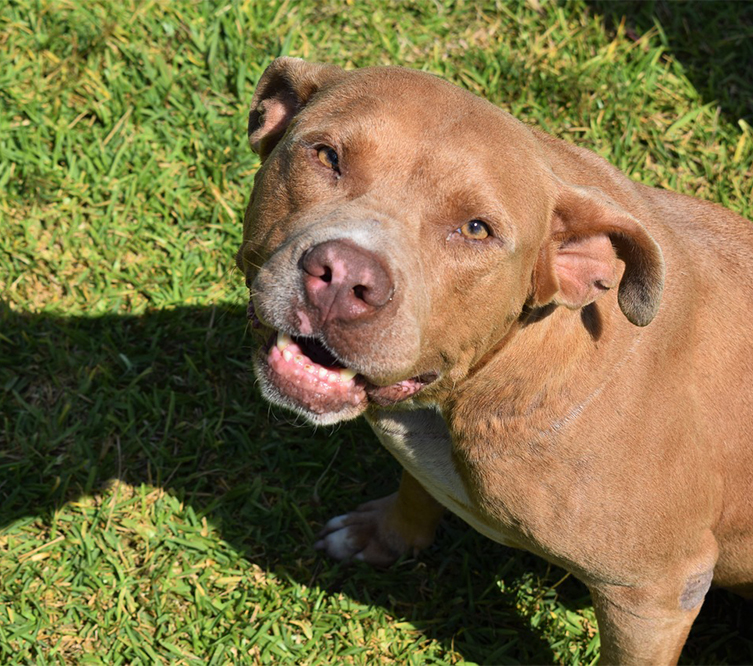
A well-raised pitbull is a steadfast shadow, eager jogging partner, and quick study in obedience, scent work, or therapy visits. Their affectionate nature and people-first attitude make them excellent housemates for owners ready to channel energy into constructive activities.
Steps to Locate Your Ideal Dog
1. Research Reputable Sources
Start with national breed clubs, veterinarian referrals, and dog-sport events. Look for transparent breeders who openly discuss health screenings, provide written contracts, and welcome visits. If adoption appeals, follow local shelters and foster-based rescues that evaluate dogs in home settings.
2. Meet Dogs in Person
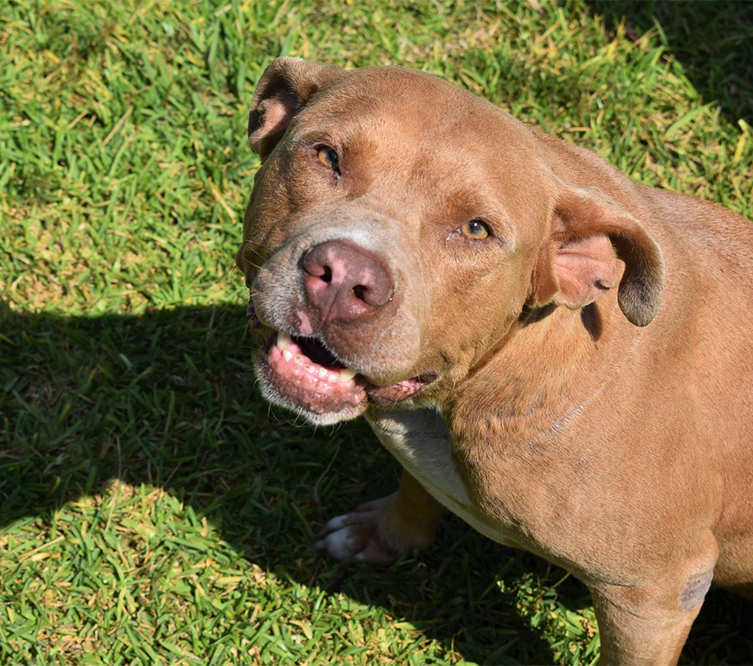
Schedule visits to observe adults and puppies alike. Note body language: relaxed, curious dogs that approach without fear indicate sound socialization. Clean spaces, toys, and varied enrichment reveal attentive care.
3. Ask the Right Questions
Inquire about vaccination records, parasite prevention, and any breed-relevant health tests such as cardiac or hip evaluations. Discuss energy level, training history, and compatibility with children or other pets to ensure lifestyles align.
4. Consider Adoption First
Many wonderful adolescent or adult pitbulls await homes through rescue networks. Adoption counselors match dogs to living situations, often providing foster-to-adopt trials, starter training, and post-adoption support.
How Clubs and Rescues Can Help
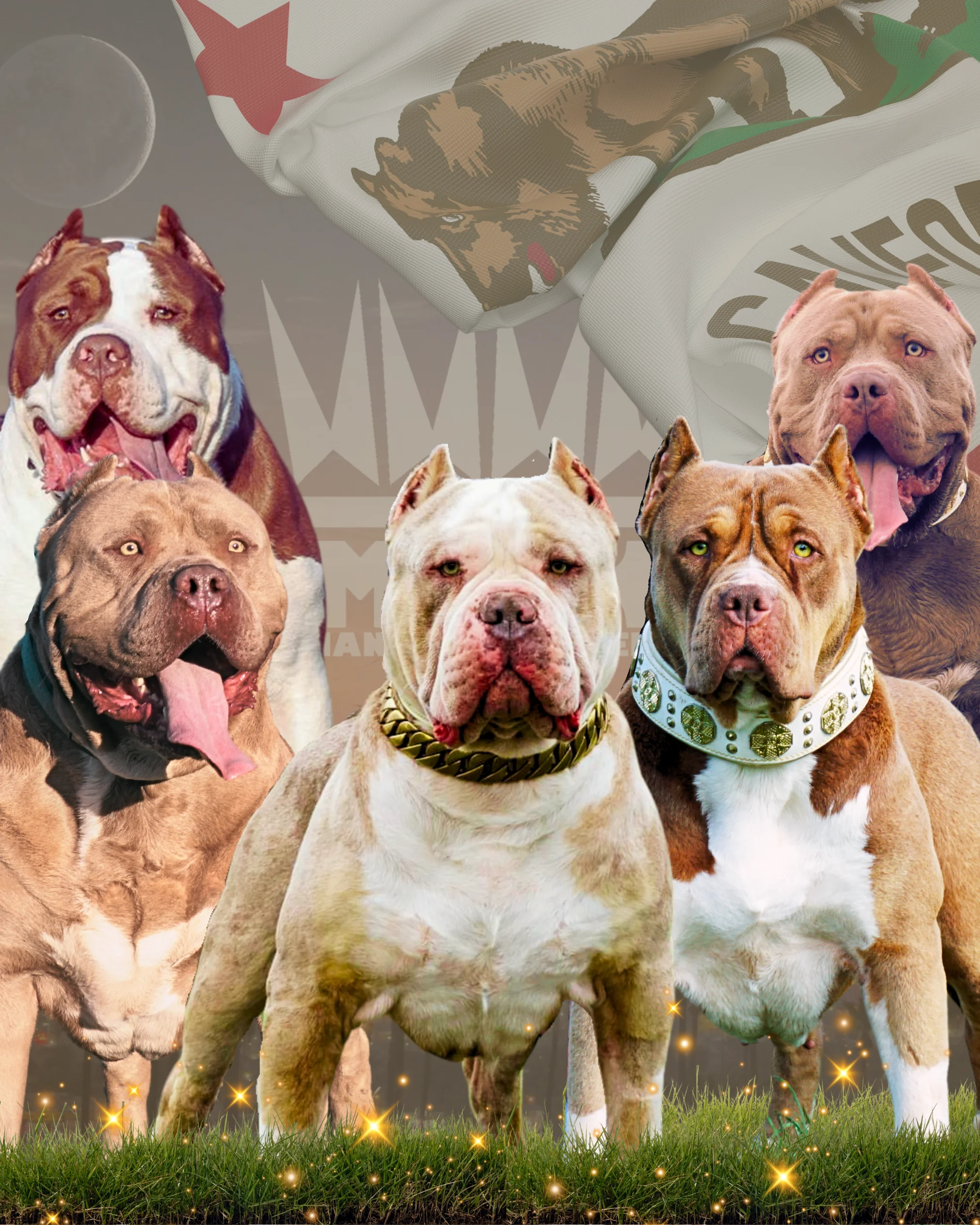
Community kennel clubs offer training classes, canine-good-citizen testing, and responsible-owner workshops. Rescue groups supply behavioral hotlines, low-cost training grants, and alumni meet-ups that strengthen the human-canine bond long after paperwork is signed.
Conclusion
Whether you choose a carefully bred puppy or adopt a grateful adult, success rests on ethical sourcing, realistic expectations, and ongoing education. Lean on breed clubs and rescue mentors, invest in positive training, and you will gain a loyal, loving companion for years to come.
Future Outlook
Continued study of early socialization, spay-neuter timing, and community outreach can further improve outcomes for pitbulls and their families. Supporting open-admission shelters, foster networks, and science-based training ensures every dog—bred or rescued—has the chance to thrive.


