

Title: How a Regional Corgi Rescue Transforms Animal Welfare and Community Spirit
Introduction
A dedicated corgi-rescue group has spent years saving, healing, and re-homing short-legged herding dogs across the northeastern United States. Since its founding, the team has improved countless canine lives while inspiring local residents to care more deeply about animal welfare. This article examines how the organization’s work ripples outward—strengthening neighborhoods, educating families, and reminding everyone that small dogs can create big change.
Rescuing Corgis: A Lifeline for Abandoned Dogs
Corgis charm people with their fox-like faces and lively personalities, yet popularity does not protect them from neglect. When owners surrender them or circumstances leave them homeless, the rescue steps in. Volunteers coordinate with shelters, veterinarians, and good Samaritans to remove dogs from risky situations and place them in temporary foster homes.
National statistics show that millions of dogs enter shelters annually; every corgi pulled by the group frees space for another animal and reduces overall euthanasia rates. Each rescue run—whether a short drive or an overnight transport—gives a frightened dog the first taste of safety in months.
Rehabilitating and Rehoming: A Holistic Approach
Pulling a dog from danger is only the beginning. The team addresses physical health, emotional trauma, and social skills so that every corgi leaves ready for a lasting home.
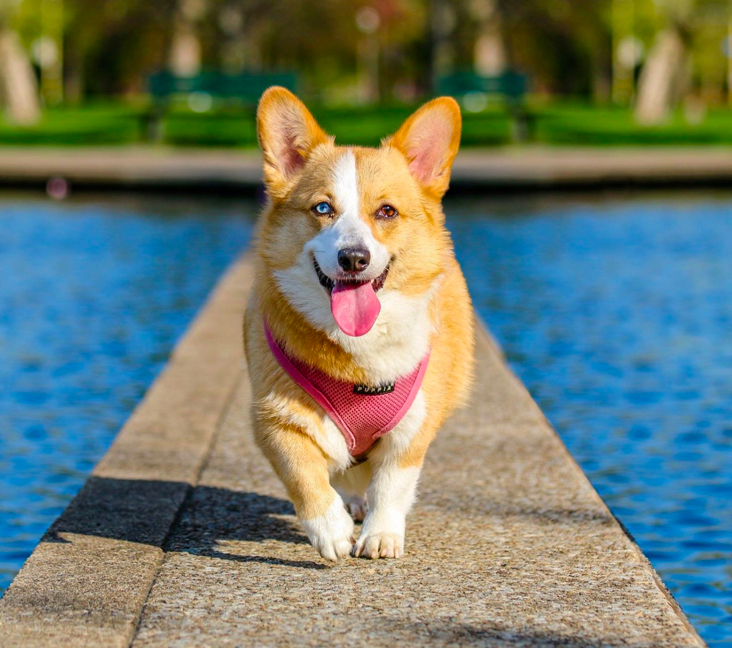
Veterinary exams reveal hidden issues: rotten teeth, heart murmurs, or Lyme disease. Donations cover surgeries, vaccinations, and slow, nourishing meals that bring weight back to healthy levels. Once the body mends, certified trainers teach loose-leash walking, polite sits, and confidence around strangers. Finally, foster families host weekend meet-ups with other dogs, children, and even cats, polishing the corgi’s manners and revealing its true personality.
Community Engagement: Building a Supportive Network
The rescue believes that people save dogs and dogs save people. To keep that cycle spinning, it invites the public to take part in multiple ways.
Monthly adoption fairs at local parks let families meet wagging tails face-to-face. Volunteers greet visitors, answer questions, and share tips about exercise needs and grooming. Those not ready to adopt can still help: students walk dogs after classes, retirees fold newsletters, and runners organize 5-kilometer fundraisers. School visits bring mascot corgis into classrooms, where children learn about spaying, neutering, and bite prevention. Each interaction plants a seed of responsibility that will sprout in the next generation of pet owners.
Success Stories and Testimonials
Happy endings arrive weekly. One recent graduate, a shy tricolor who once cowered in the corner of a concrete kennel, now trots beside a young couple on city sidewalks, tail held high. His new guardians describe the moment he first rolled over for a belly rub as “the day our apartment became a home.” Photos of similar transformations fill social-media feeds, encouraging followers to choose adoption over shopping.
Conclusion
By combining compassionate rescue, thorough rehabilitation, and proactive outreach, the regional corgi group proves that a single breed-focused effort can lift entire communities. Every dog adopted creates space for the next in need; every child educated becomes an adult who adopts; every volunteer hour strengthens the safety net for animals still waiting.
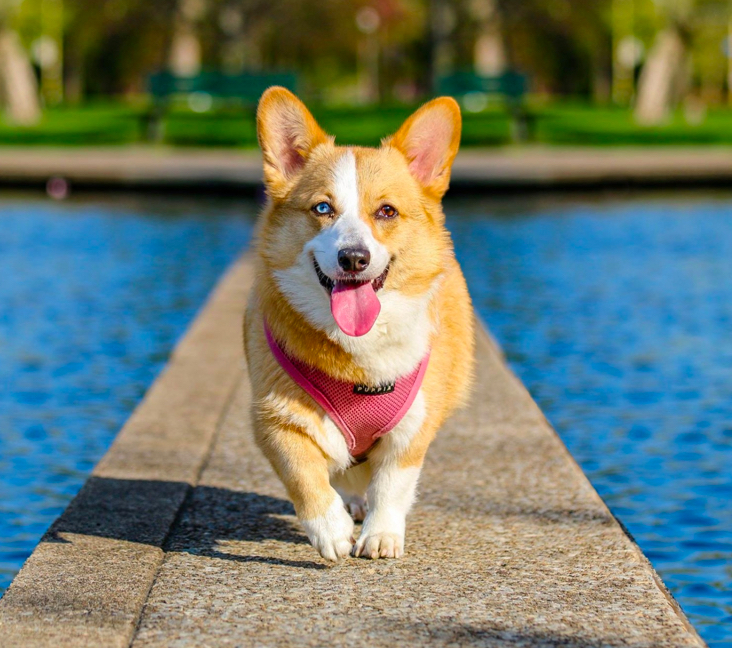
As long as there are corgis in shelters, the work continues—fueled by donations, powered by volunteers, and inspired by the promise that every short-legged shadow deserves a sunny porch to call its own.
Supporting such organizations—through time, funds, or simply sharing their message—helps weave a culture where no dog is disposable and every neighbor feels responsible for the creatures who share our streets and sofas. Together, we can keep tails wagging and communities caring, one corgi at a time.


