
Title: The Enigma of Young Dogs: Understanding Their Behavior, Development, and Impact
Introduction:
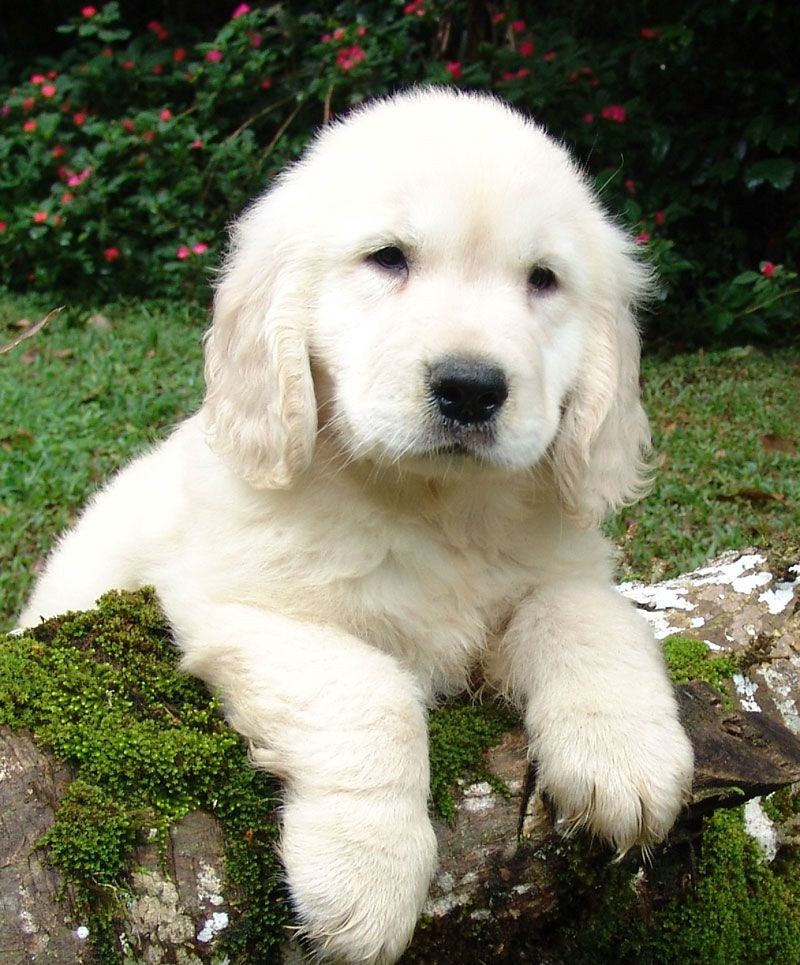
Young dogs, commonly called puppies, captivate researchers and families alike with their rapid changes and endearing antics. Their early months are marked by distinct habits, growth spurts, and learning bursts that shape the adults they become. This article explores how puppies act, how they mature, and why that matters to the people who share their homes and streets.
Understanding the Behavior of Young Dogs
Puppies rarely sit still. Play sessions that seem endless are actually workouts that build strong muscles, coordination, and social know-how. Short bursts of running, pouncing, and tugging are followed by deep naps, a cycle that repeats throughout the day.
Mouthing is another hallmark of early life. Everything—fingers, shoelaces, chair legs—ends up between needle-sharp teeth. Far from spite, this is a pup’s way of mapping the world. Gentle guidance teaches them which items are acceptable chew toys and which are off-limits, preventing nipping from becoming a lifelong habit.
Developmental Stages of Young Dogs
Life begins in a quiet pile of siblings, eyes and ears sealed, entirely dependent on the mother. Within two weeks the senses awaken; by four weeks clumsy paws start to explore the whelping box.
Weeks three through twelve form the socialization window. A single positive encounter with children, umbrellas, or city traffic during this period can prevent fear later on. Conversely, missed experiences can turn into lifelong phobias.
Adolescence arrives around four months and lasts until six or seven. Growth plates are closing, hormones surge, and yesterday’s recall cue may suddenly fall on deaf ears. Patience and consistent rules shepherd the young dog through this sometimes exasperating phase.
The Impact of Young Dogs on Society
Well-raised puppies become catalysts for conversation on sidewalks, ice-breakers in parks, and comfort companions in care homes. Their goofy energy invites play across generations, knitting neighborhoods together.
When guidance is lacking, the same energy can tip into unruliness: dug-up flowerbeds, leash pulling, or anxious barking at strangers. Early education—reward-based training, daily exercise, and clear boundaries—prevents these common friction points.
Research and Perspectives on Young Dogs
Recent work in canine cognition shows that eight-week-old pups can follow a pointed finger to hidden food, a skill some wolf pups never master even after intensive handling. This readiness to read human gestures hints at thousands of years of co-evolution.
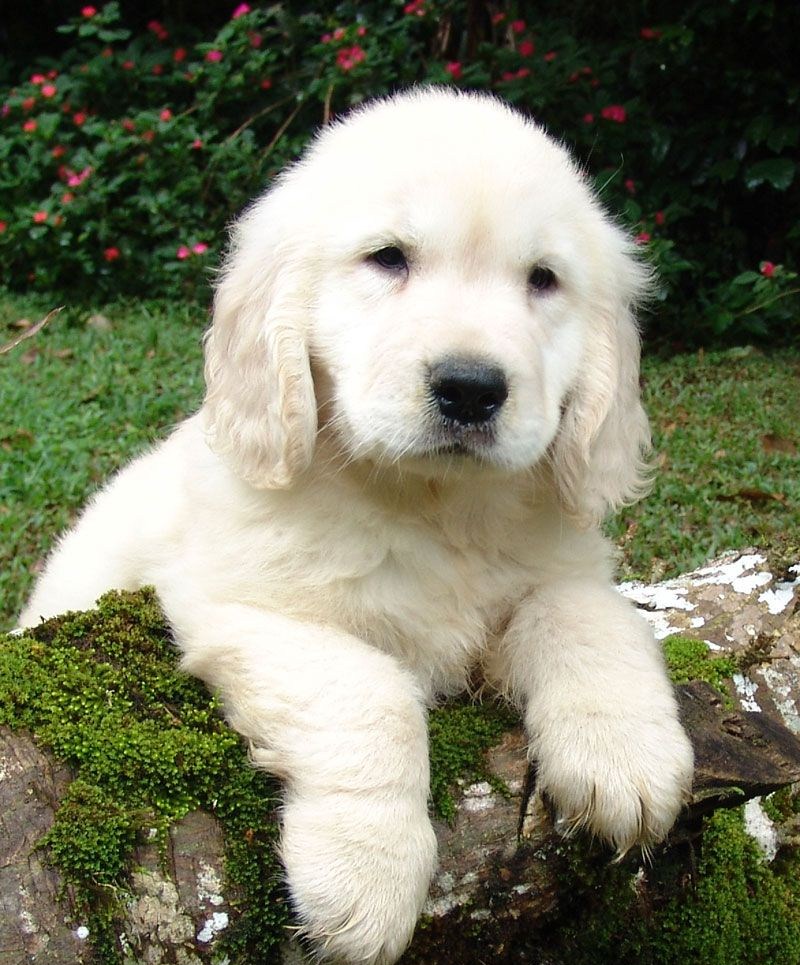
Parallel studies on behavior problems find that classes emphasizing positive exposure before sixteen weeks reduce relinquishment rates later. The takeaway is straightforward: gentle, varied experiences during puppyhood pay lifelong dividends.
Conclusion
Puppies are not simply smaller versions of adult dogs; they are works in progress whose brains, bodies, and bonds are formed by daily interactions. Thoughtful guidance in the first year sets the stage for a balanced, confident companion and for a community that welcomes dogs as valued members.
Recommendations:
1. Enroll in reward-based puppy classes that pair socialization with basic manners.
2. Provide a predictable routine of meals, naps, play, and quiet time to build security.
3. Keep learning: follow reputable trainers, veterinarians, and researchers to stay informed about best practices in puppy care.