

The Rise of Pet-Centric Hotels: A New Trend in Pet-Friendly Travel
Introduction
The pet sector has expanded steadily in recent years, with more guardians looking for services that welcome animals at every turn. A fresh example is the rise of hotels built from the ground up for people traveling with dogs, cats, and other companions. These properties blend human comfort with thoughtful touches for animals, making trips less stressful for everyone involved. This piece looks at why such hotels are appearing, how they affect the wider industry, and what advantages they bring to both guests and businesses.
The Concept of Pet-Centric Hotels
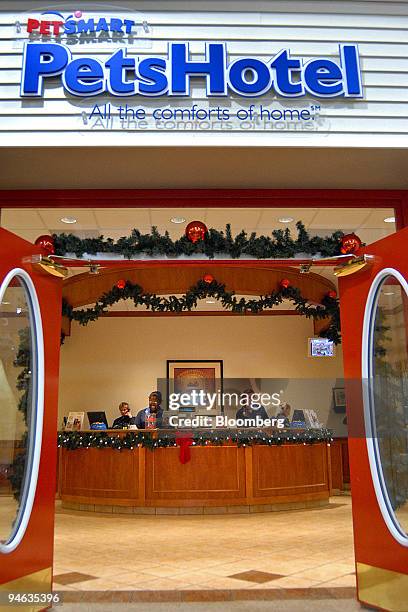
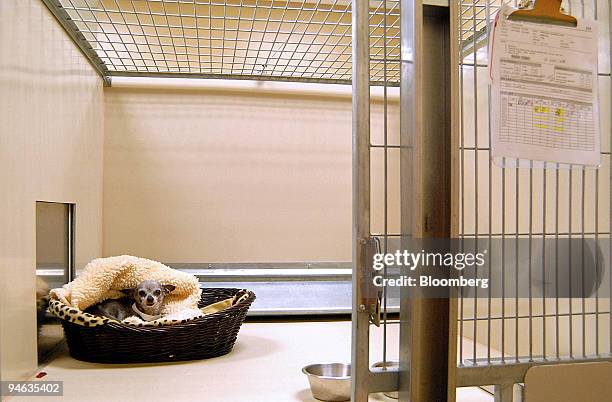
Rather than simply allowing pets, these lodges weave animal well-being into every detail: easy-clean flooring, built-in feeding stations, soundproofing to reduce barking stress, and safe play zones. The goal is to let guardians enjoy a break without worrying about whether their furry family members are comfortable or safe.

The Growth of the Pet Industry
Spending on companion animals has climbed as more households adopt pets and prioritize their health and happiness. Year after year, surveys show rising outlays on food, care, and travel, and forecasts suggest the momentum will continue, pushing overall expenditure to new highs within the next few seasons.
The Impact of Pet-Centric Hotels on the Pet Industry
By treating animals as valued guests, these properties have carved out a distinct niche, encouraging traditional hotels to add pet programs and lifting standards across the board. The ripple effect benefits groomers, trainers, treat makers, and veterinarians, all of whom gain fresh business when people hit the road with pets.
Benefits of Pet-Centric Hotels
Both travelers and the hospitality trade stand to gain.
Benefits for Pet Owners
1. Peace of Mind: Knowing that rooms, menus, and staff cater to animals reduces travel stress.
2. Ready-Made Amenities: Beds, bowls, waste bags, and local treat samples save luggage space.
3. On-Site Services: Grooming, exercise areas, and easy vet access keep routines intact.
Benefits for the Hospitality Sector
1. Fresh Demand: Properties attract guests who once skipped hotels to avoid leaving pets behind.
2. Higher Revenue: Pet fees, add-ons, and longer stays boost average spend per room.
3. Stronger Image: A clear pet-welcome policy differentiates a brand in a crowded market.
Case Studies
Some city-center boutiques now offer rooftop dog runs, while coastal resorts provide splash pools for retrievers and shaded catio balconies for feline guests. These signature touches earn glowing reviews and repeat visits, proving that thoughtful design pays off.
Challenges and Considerations
Running an animal-welcoming hotel is not without hurdles:
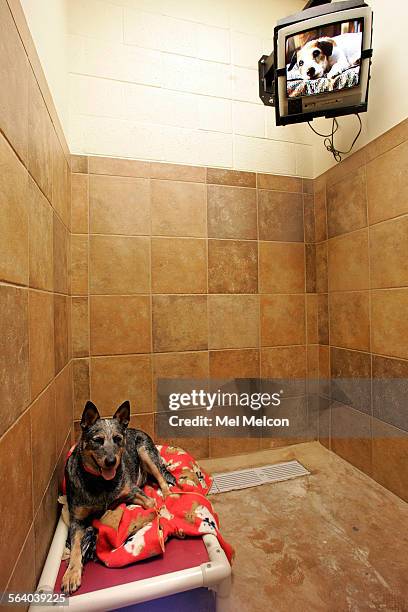
1. Extra Upkeep: Durable furnishings, deep cleaning, and allergy controls raise operating costs.
2. Local Rules: Operators must meet zoning, insurance, and health codes related to animals.
3. Behavior Management: Staff training and clear guest guidelines help keep shared areas calm and safe.
Conclusion
Pet-centric hotels have moved from novelty to mainstream expectation. By meeting the demand for animal-friendly lodging, they create value for travelers and open new income streams for owners. As pet keeping continues to rise, these properties will likely become a standard option on every booking site.
Future Directions

Several trends are set to shape the next wave:
1. Wider Reach: Secondary cities and vacation regions still have room for dedicated pet properties.
2. Creative Services: Think relaxation sessions for anxious animals, guided trail hikes, or gourmet pet menus.
3. Greener Stays: Biodegradable waste bags, refillable water stations, and eco-friendly cleaning products will appeal to sustainability-minded guests.
In short, hotels that put pets first are redefining what it means to be truly welcoming. With careful planning and continual innovation, they are poised to remain a key part of the evolving travel landscape.

