


Community Cats United: A Caring Response to a Shared Challenge
Introduction
While discussions of homelessness often center on people, countless cats also live without steady shelter. These free-roaming felines face hunger, illness, and weather extremes. Community Cats United is a volunteer-driven effort that offers practical help—food, medical aid, and adoption support—while teaching neighbors how to share their streets humanely with cats. This piece outlines why the project matters, how it works, and what it can teach other towns.
The Challenge of Outdoor Cats
Rapid Reproduction
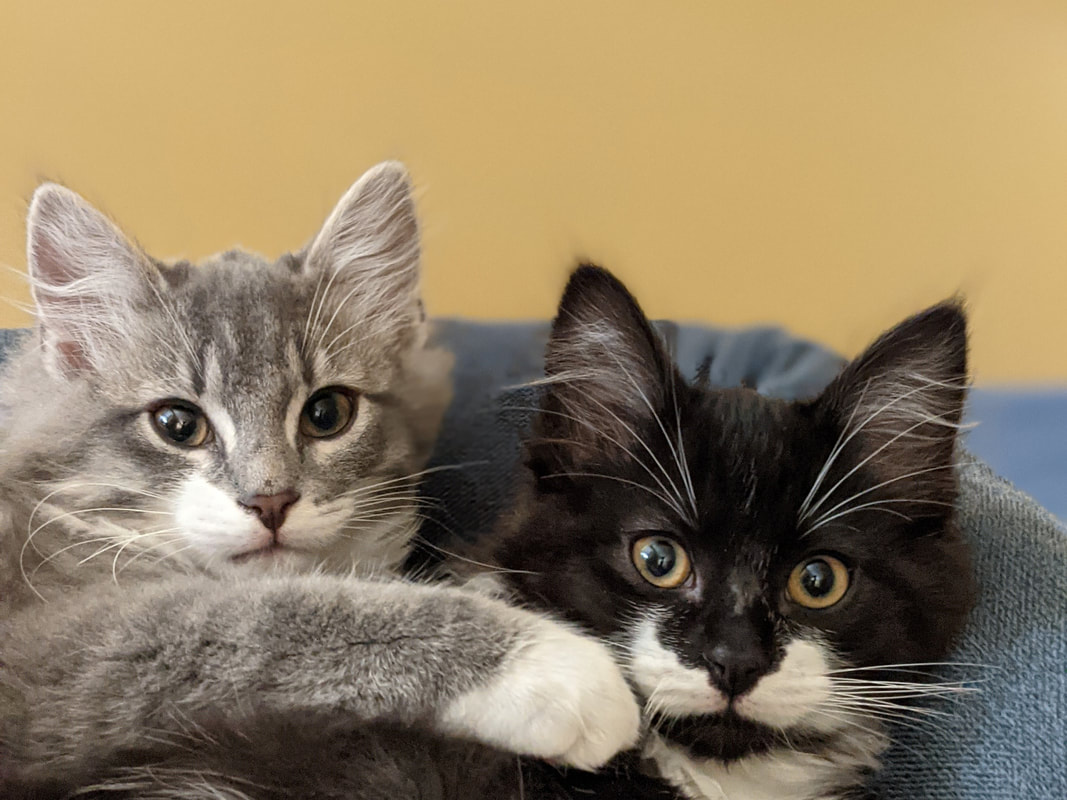
Unsterilized pets and abandoned litters keep outdoor cat numbers high. In many cities, colonies grow faster than homes can be found, so cats keep arriving on doorsteps and parking lots.
Daily Dangers
Life outside shortens average lifespan. Cats battle traffic, infections, parasites, and temperature swings. Well-meaning residents may feed them, yet without medical care small problems turn serious.
Community Cats United: The Response
Mission and Goals
The group believes every cat deserves safety and dignity. It combines immediate relief—food, warm shelters, veterinary care—with long-term population control through sterilization and public education.
Programs and Services
Community Cats United provides:
– Humane Trapping, Neutering, and Return: Volunteers humanely trap cats, have them sterilized and vaccinated, then return them to familiar territory. This stabilizes colony size and reduces nuisance behaviors.
– Daily Care Stations: Discreet feeding spots and insulated shelters give cats reliable meals and protection from rain or frost.
– Medical Fund: Donations cover antibiotics, wound care, and emergency surgery, preventing suffering and limiting disease spread.
– Neighborhood Workshops: Free sessions explain responsible pet ownership, winter safety tips, and how to deter cats from gardens without harm.

Impact on the Neighborhood
Stabilizing Numbers
Consistent TNR work has flattened birth curves in several districts, meaning fewer kittens arrive each spring and more adult cats stay healthy.
Improving Well-Being
Regular meals and prompt treatment create visible change: brighter eyes, thicker coats, and calmer interactions among cats and residents.
Building Cooperation
By inviting residents to feed on a schedule, build simple shelters, or foster tame youngsters, the project turns concern into concrete teamwork.
Conclusion
Community Cats United shows that practical kindness can reshape how cities coexist with outdoor cats. Sterilization, daily care, and neighbor-to-neighbor education form a cycle that benefits animals and people alike. Each small action—a donated blanket, a shared flyer—adds up to safer streets and quieter nights.
Next Steps and Open Questions
To keep momentum, supporters suggest:
– Broaden TNR Coverage: Add more volunteer trappers and vet partnerships so no colony is overlooked.

– Work with City Services: Coordinate with waste management and parks departments to place feeding stations responsibly.
– Deepen Public Awareness: Use social media stories and school talks to spread the “fix, feed, foster” message.
Future studies could examine:
– Long-Term Colony Health: Track ten-year trends in cat numbers and disease rates after sustained TNR.
– Innovative Outreach: Test whether art installations or pop-up adoption cafés draw new volunteers.
– Root Causes: Explore why cats are abandoned and how safety-net programs for owners might prevent the cycle.


