


Title: Large Breed Puppies: A Friendly Guide to Choosing and Raising Your Gentle Giant
Introduction:
Big paws and even bigger hearts have made large-breed puppies a favorite among dog lovers. Their impressive looks and devoted personalities win people over quickly, yet these pups also bring unique responsibilities. This guide walks you through the essentials of picking, feeding, exercising, and socializing a large-breed puppy so you can look forward to many happy years together.
Understanding Large Breed Puppies
“Large breed” refers to dogs expected to weigh 55 pounds or more as adults. Well-known examples include the loyal German Shepherd, the playful Labrador, and the gentle Golden Retriever. These dogs are prized for their intelligence and affectionate nature, but their rapid growth demands careful nutrition, moderate exercise, and consistent training.
Choosing the Right Large Breed Puppy
1. Research and Select a Breed:
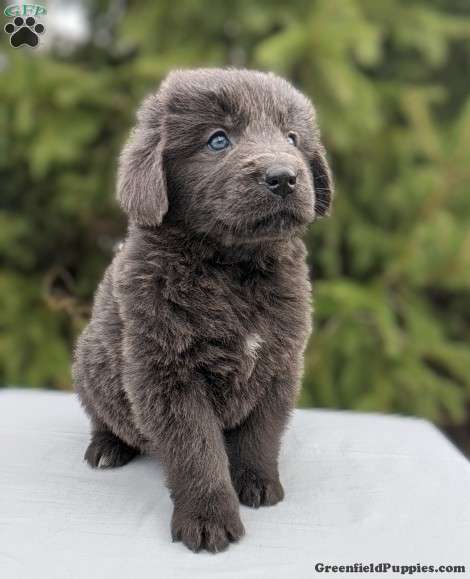
Start by matching breed traits to your daily routine. High-energy working dogs need plenty of activity, while some giant breeds are content with shorter walks. Check grooming needs and typical temperament, then speak with reputable shelters, rescue groups, or responsible breeders who health-test their dogs.
2. Meet Several Litters:
Spend time watching puppies interact. A well-socialized pup is curious, willing to approach people, and neither overly timid nor pushy. Look for bright eyes, clean ears, and a playful but not frantic attitude.
3. Schedule a Vet Check:
Before you commit, arrange a veterinary exam. A vet can spot early joint issues, review vaccination records, and outline the preventive care your chosen breed typically needs.
Caring for Large Breed Puppies
1. Nutrition:
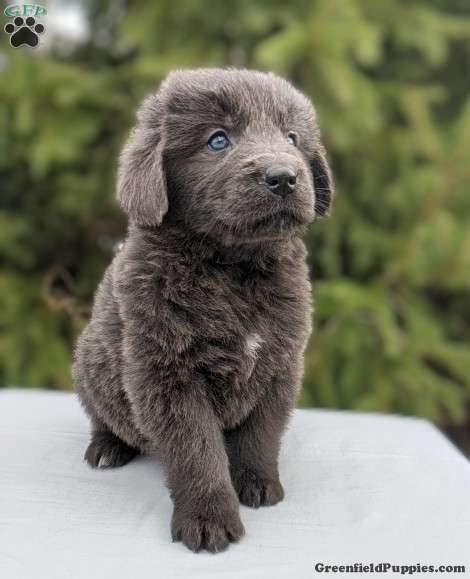
Feed a balanced large-breed puppy formula that controls calcium and phosphorus levels, helping bones develop at the proper rate. Divide daily portions into three or four small meals to reduce the risk of bloat, and keep treats to less than ten percent of total calories.
2. Exercise:
Provide two short leash walks a day plus controlled play in a fenced area. Avoid prolonged jogging or repetitive stair climbing until your vet confirms growth plates have closed, usually between 12 and 18 months.
3. Grooming:
Brush several times a week to remove loose hair and prevent mats. Trim nails every few weeks, clean ears gently when they look dirty, and introduce tooth brushing early to build lifelong tolerance.
4. Socialization:
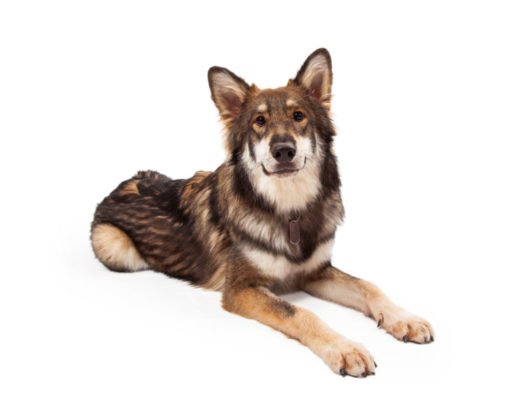
Introduce your puppy to different sights, sounds, surfaces, people, and friendly dogs during the critical 3- to 14-week window. Reward calm behavior so new experiences feel fun rather than scary.
5. Training:
Begin with basic cues such as “sit,” “down,” and “come.” Use treats, toys, and praise; keep sessions short and upbeat. Consistency from every family member prevents confusion and strengthens good habits.
Health Considerations for Large Breed Puppies
Rapid growth can predispose these dogs to hip or elbow dysplasia, bloat, and certain heart conditions. Maintain a lean body condition, follow an age-appropriate exercise plan, and attend regular wellness visits. Alert your veterinarian if you notice persistent limping, difficulty rising, or a swollen abdomen.
Conclusion
Sharing life with a large-breed puppy is deeply rewarding when you plan ahead. Thoughtful breed selection, balanced nutrition, careful exercise, and positive training set the stage for a confident, healthy adult dog. Rely on your veterinary team, trainer, and reputable breed clubs for ongoing support.
Recommendations and Future Research
To further improve the lives of large-breed puppies, consider these steps:
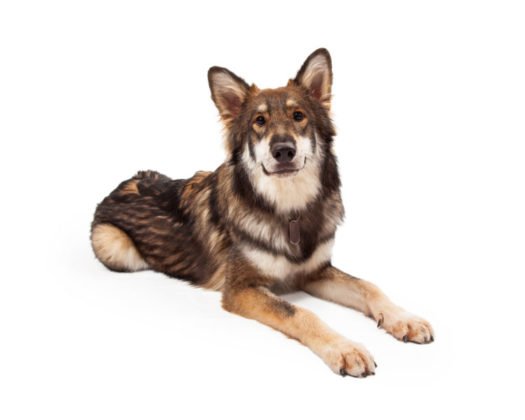
1. Support studies that identify genetic markers for common orthopedic disorders.
2. Choose breeders who screen for health and temperament over size alone.
3. Share reliable care resources with other owners to raise community awareness.
Together, we can help the next generation of gentle giants thrive in loving homes.