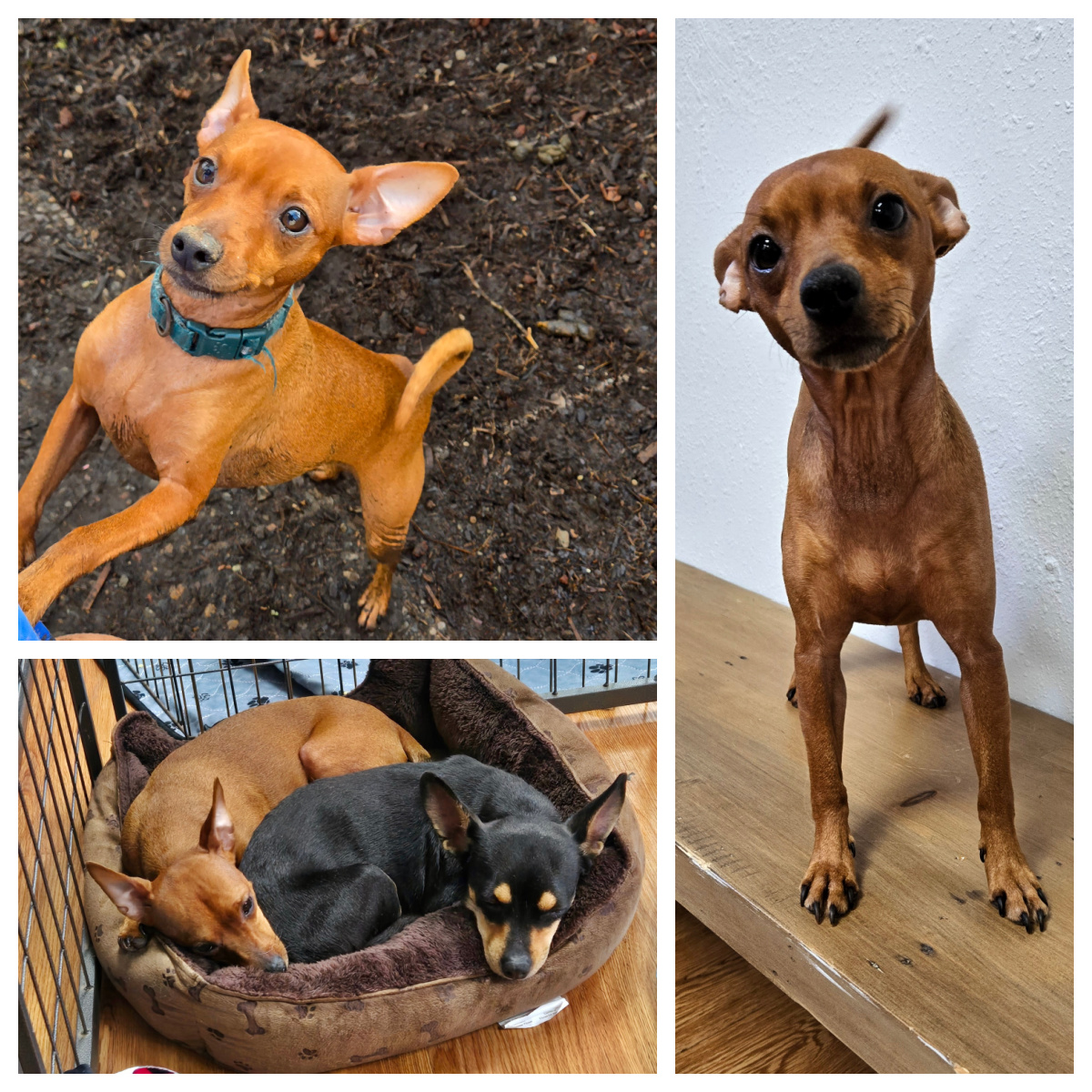
Title: A Friendly Guide to Adopting a Miniature Pinscher
Introduction:
Bringing a Miniature Pinscher into your life is an exciting journey that more and more dog lovers are choosing to take. This compact, spirited breed wins people over with its bright eyes and larger-than-life attitude. In the paragraphs ahead, you will learn what daily life with a Min Pin looks like, the rewards and responsibilities involved, and how to locate a reputable place to adopt one. By the end, you should feel ready to decide whether this little dynamo is the right fit for your home.
Understanding the Miniature Pinscher Breed
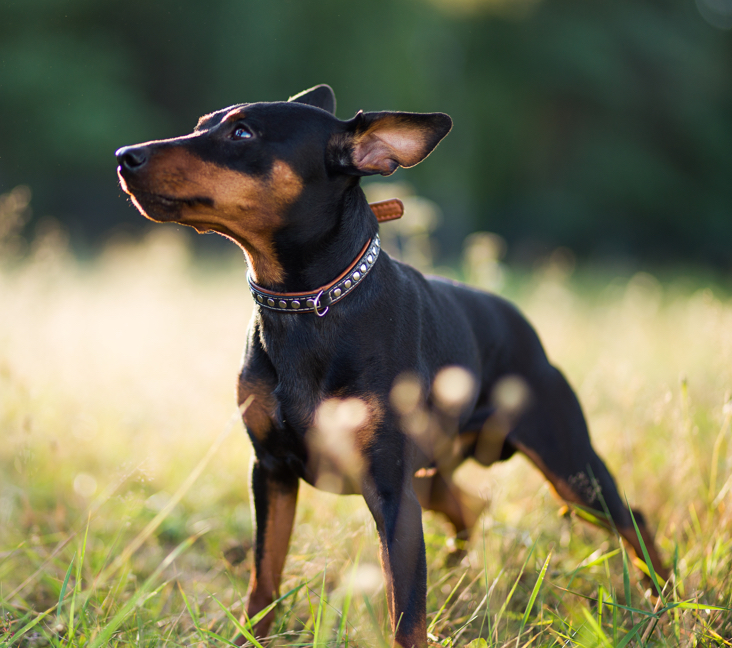
The Miniature Pinscher, affectionately called the Min Pin, is a toy breed that first appeared in Germany. Despite its size, it carries itself with the confidence of a much bigger dog. Below are some traits future owners often notice:
1. Size: Adults usually weigh about 4–6 pounds and stand roughly 10–12 inches at the shoulder.
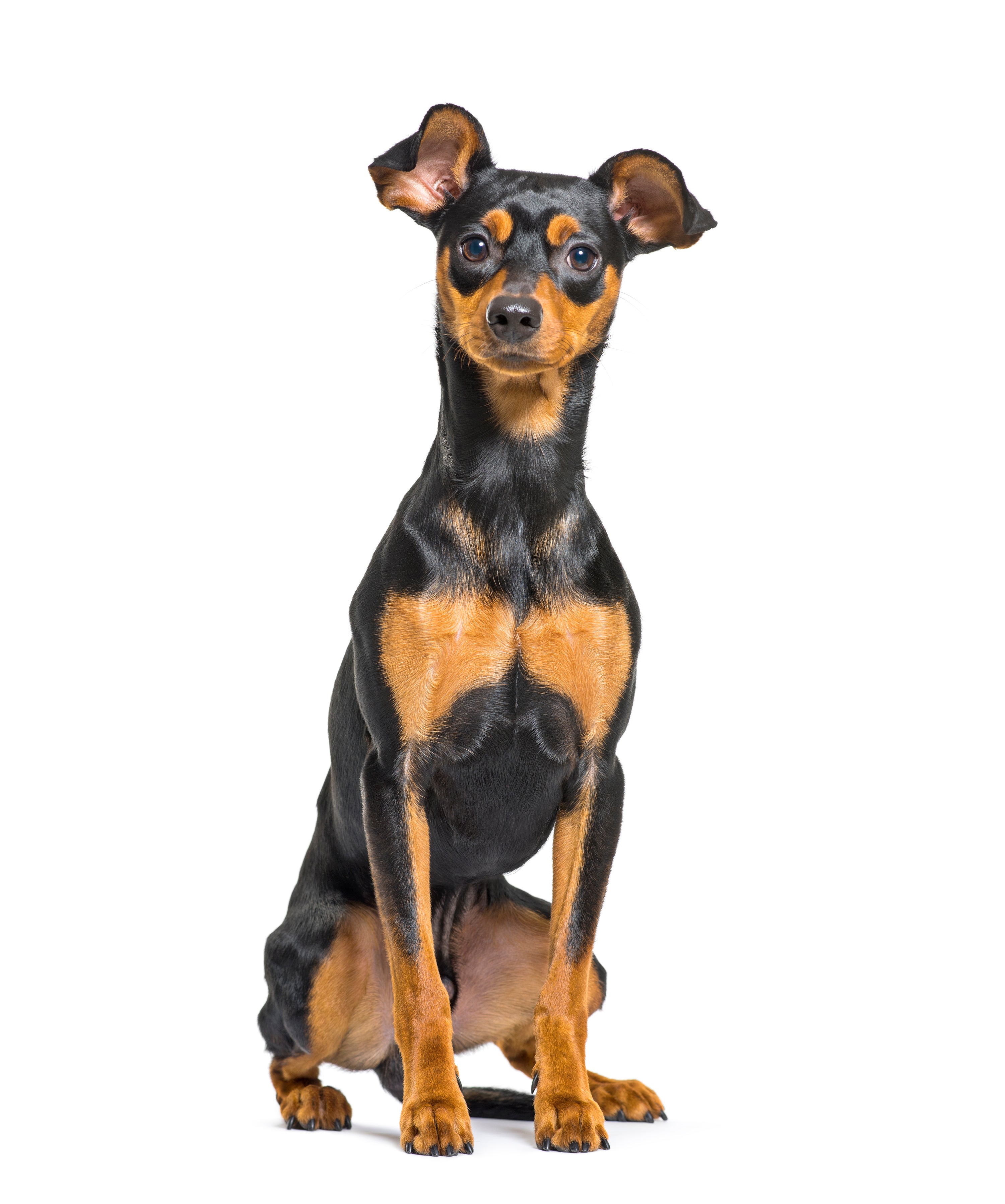
2. Personality: Curious, fearless, and always ready for action, Min Pins like to be in the middle of family life.
3. Energy Level: Plan on brisk walks, indoor play sessions, and mental games to keep boredom away.
4. Health: Routine dental care and joint monitoring are recommended, as smaller breeds can be prone to tooth issues and kneecap concerns.
Benefits of Adopting a Miniature Pinscher
Choosing adoption benefits both you and the dog. Consider these positives:
1. Save a Life: Opening your home frees up shelter space and gives a waiting dog a fresh start.
2. Budget-Friendly: Adoption fees routinely cover spay or neuter, first vaccines, and microchip placement, making initial costs predictable.
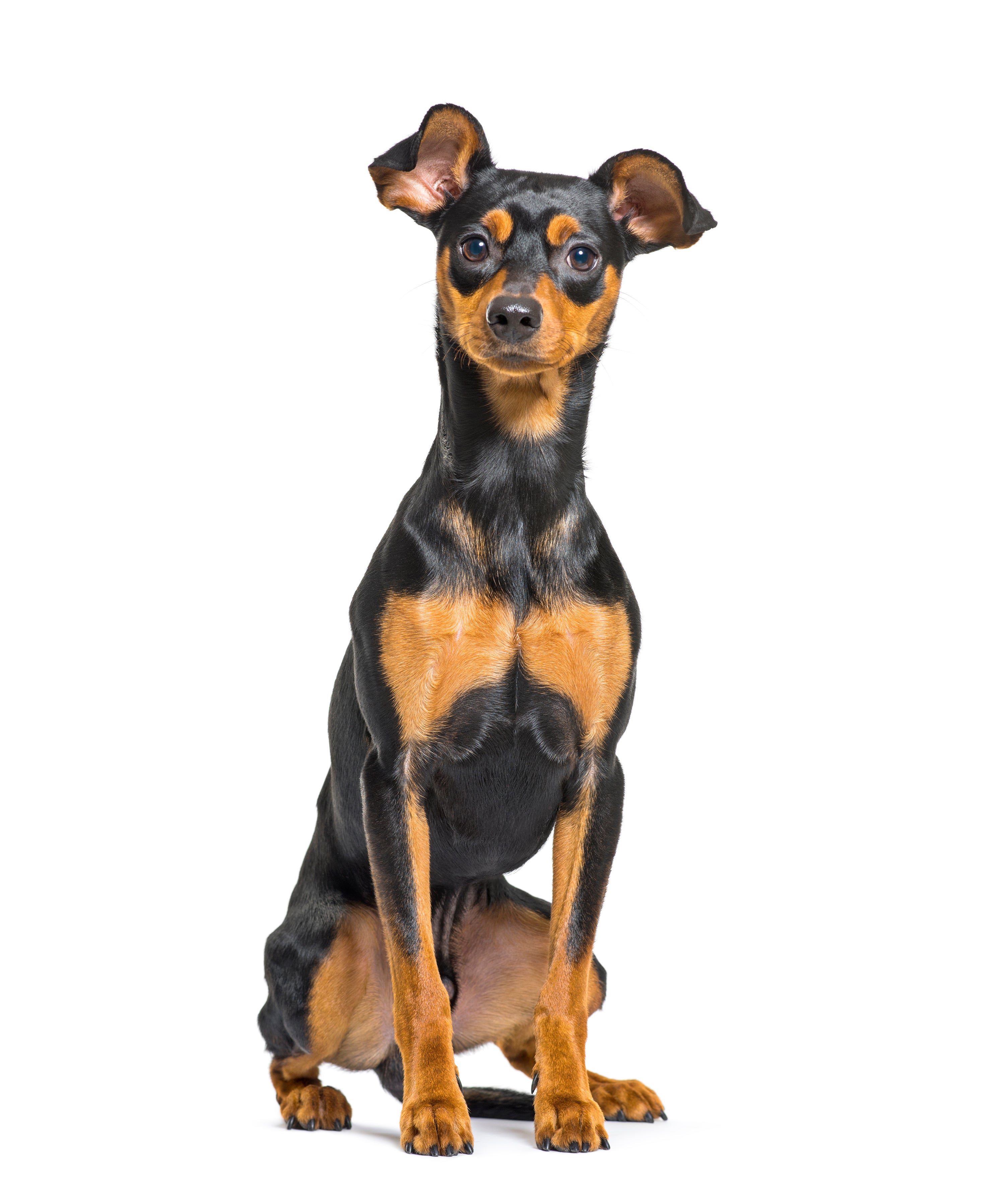
3. Ready-Made Companion: Many Min Pins in rescues are past the puppy stage, so energy levels and personalities are already visible, letting you pick a dog that matches your lifestyle.
Challenges of Owning a Miniature Pinscher
Honest preparation prevents surprises. Common considerations include:
1. Exercise Needs: Without daily activity, a Min Pin may invent mischief. Active owners or families who enjoy playtime tend to do best.
2. Training Style: Quick minds come with a stubborn streak. Short, upbeat lessons and consistent routines yield the fastest progress.
3. Health Planning: Setting aside funds for regular checkups, quality food, and possible emergencies keeps a small dog healthy throughout a long lifespan.
How to Find a Miniature Pinscher to Adopt
Several avenues can connect you with a Min Pin looking for a home:
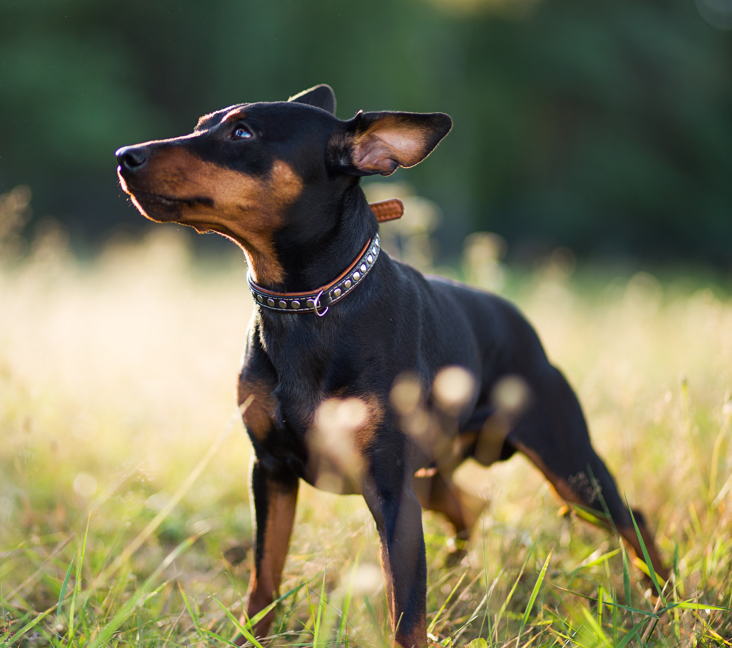
1. Local Shelters: City and county facilities often list available dogs online; a quick call or visit can confirm availability.
2. Rescue Networks: National and regional all-breed rescues frequently accept small dogs; filtering by breed on their websites speeds up the search.
3. Breed Clubs: Min Pin enthusiast groups sometimes operate foster programs and maintain waiting lists for incoming dogs.
Adoption Process
While each organization sets its own rules, most follow these general steps:
1. Research: Read up on breed traits, exercise requirements, and grooming needs.
2. Meet and Greet: Schedule a shelter visit to interact with one or more dogs and observe temperament.
3. Application: Provide information about your living situation, schedule, and pet history.
4. Conversation: Staff may ask about training plans, yard safety, and veterinary references to ensure a good match.
5. Home Check: Some groups request photos or a brief tour to confirm the environment is secure for a small, agile dog.
6. Finalize: Sign adoption paperwork, pay the fee, and bring home your new companion along with medical records and transition tips.
Conclusion:
Adopting a Miniature Pinscher can add laughter, loyalty, and a dash of spice to everyday life. By learning about the breed’s needs, preparing your home, and working with a trusted shelter or rescue, you set the stage for a smooth transition. Offer patience, structure, and affection, and your pint-sized partner will reward you with years of spirited companionship.