


Balinese Cats for Sale: A Comprehensive Guide to the Elegant Breed
Introduction
The Balinese cat, admired for its graceful look and engaging personality, has become a favorite among feline lovers. With silky medium-long coats, vivid blue eyes, and a soft, musical voice, these cats quickly win people over. This guide outlines what to expect when considering a Balinese companion, covering background, traits, daily care, and how to find a healthy kitten or adult.
History and Origin
The breed first appeared in the mid-20th century when long-haired kittens showed up in Siamese litters. Breeders welcomed the luxurious coat and kept the Siamese color pattern and body style. The name “Balinese” was chosen to suggest the fluid grace of traditional dancers, even though the cats have no direct link to the Indonesian island.
Characteristics
Appearance
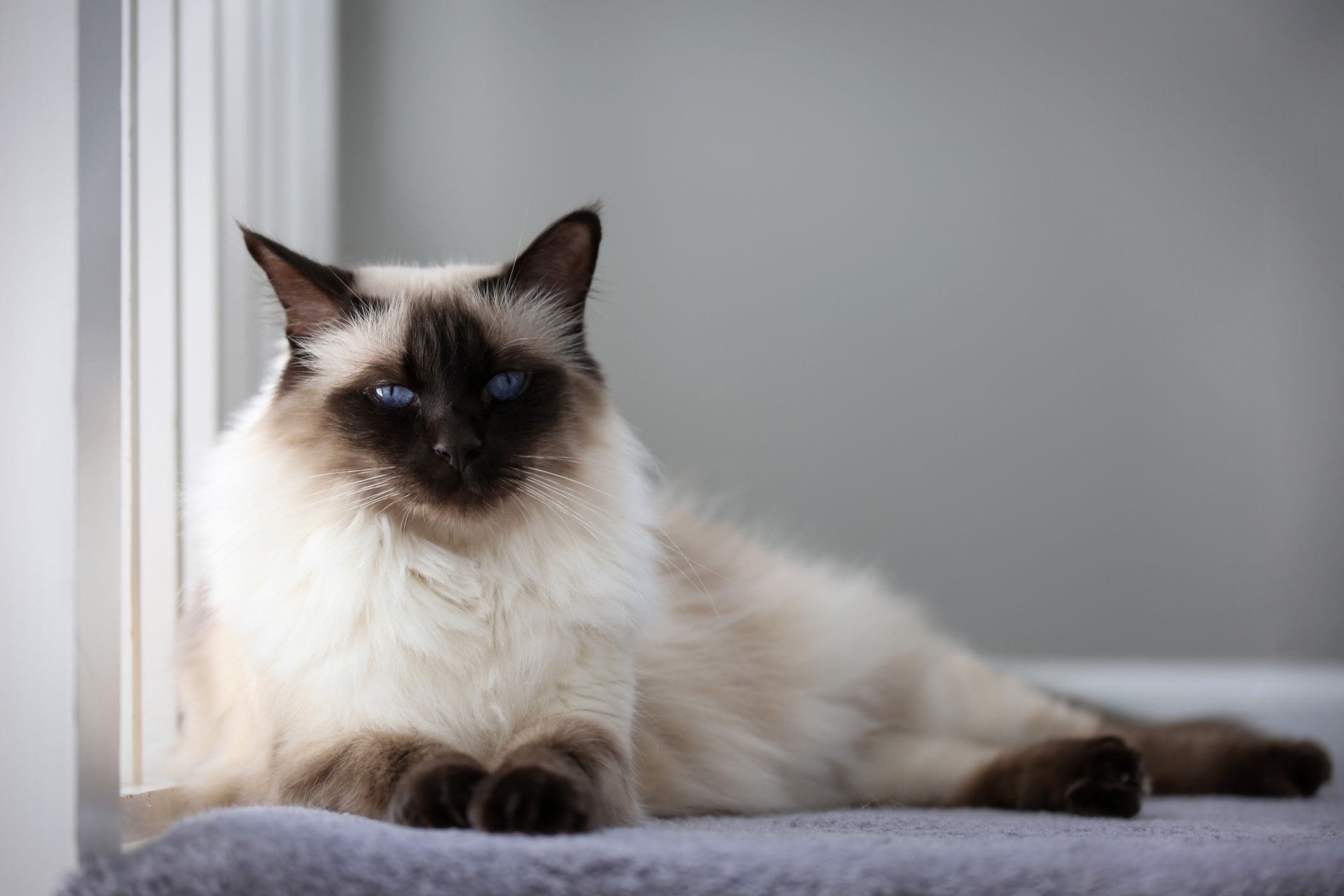
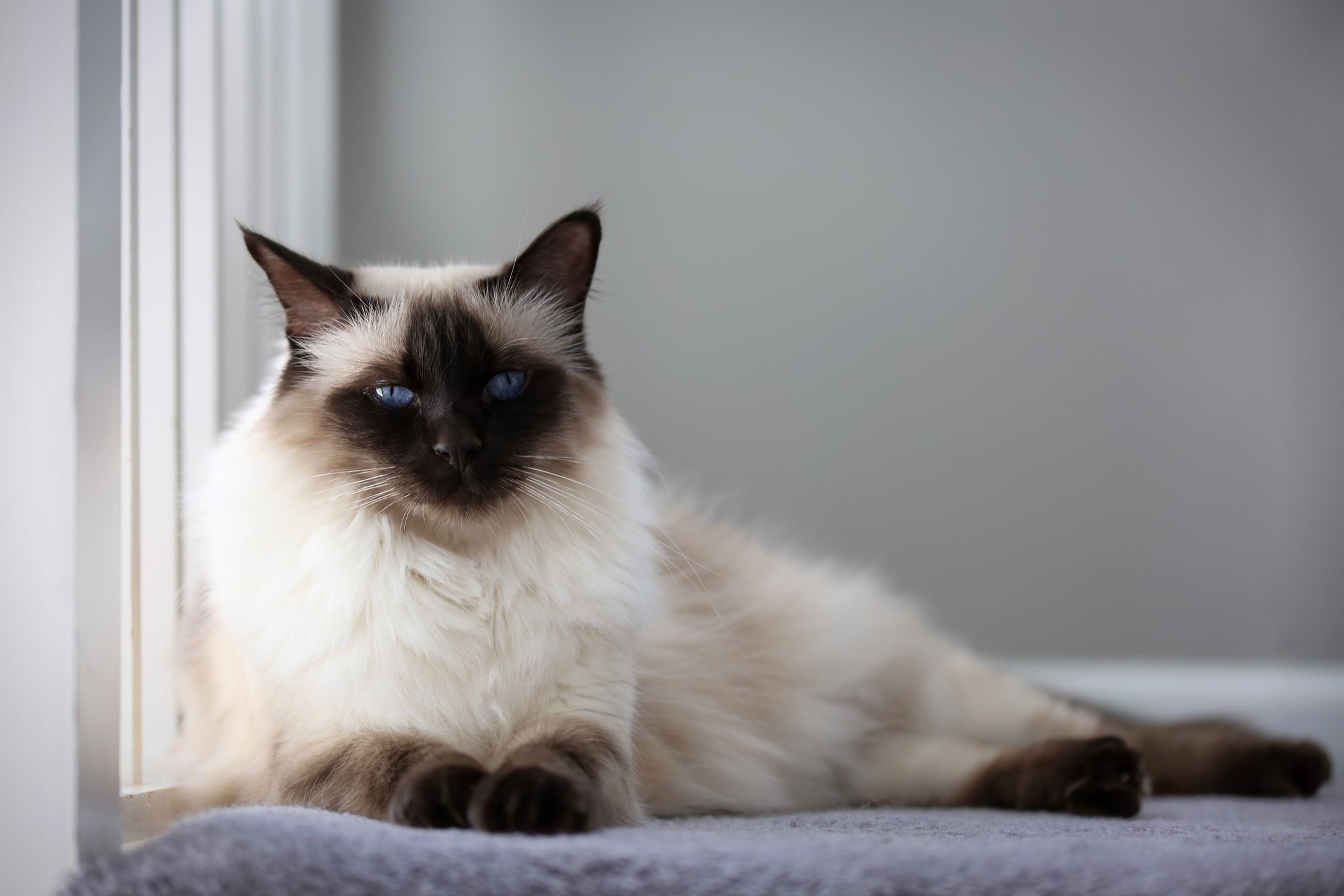
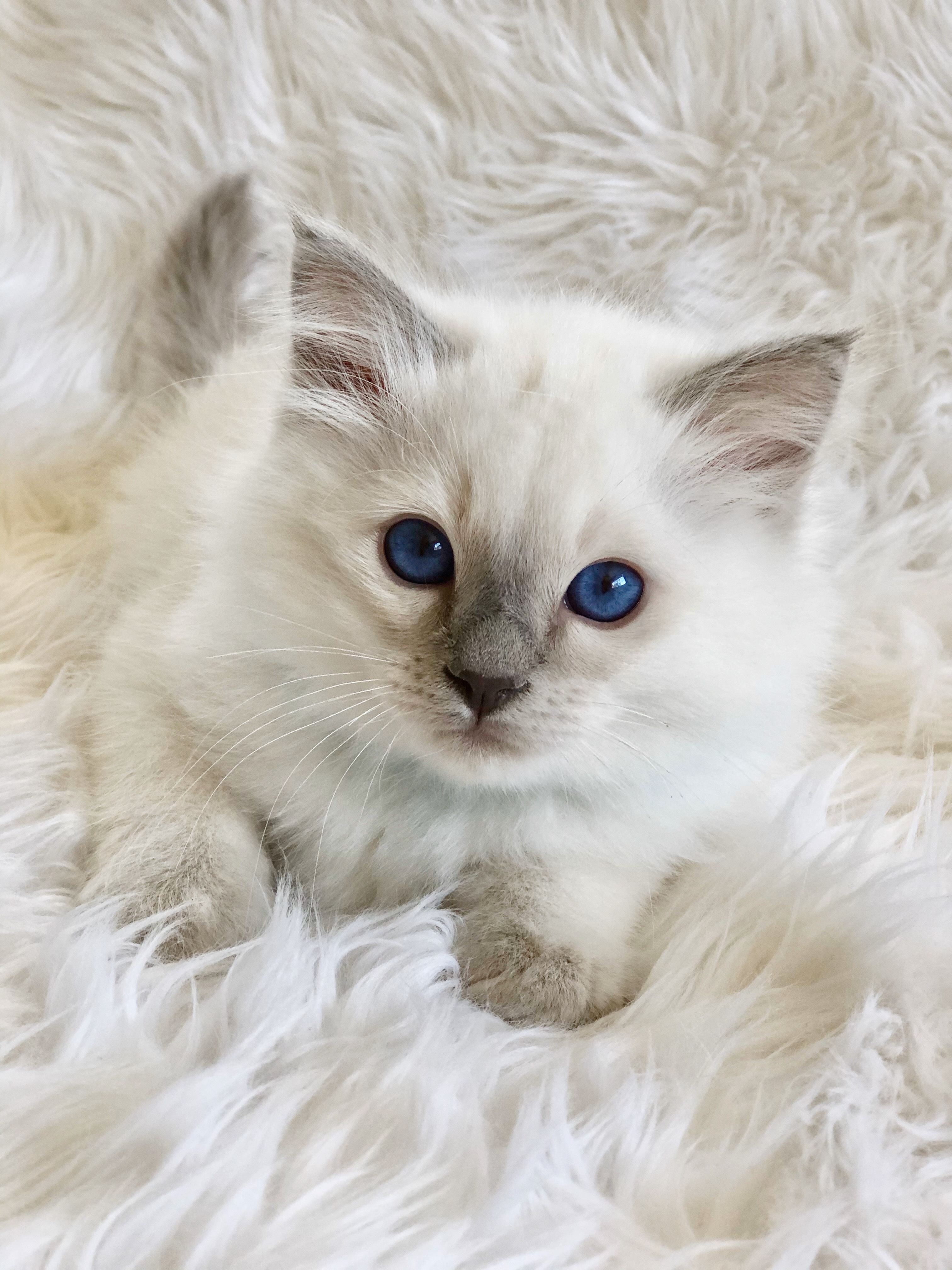
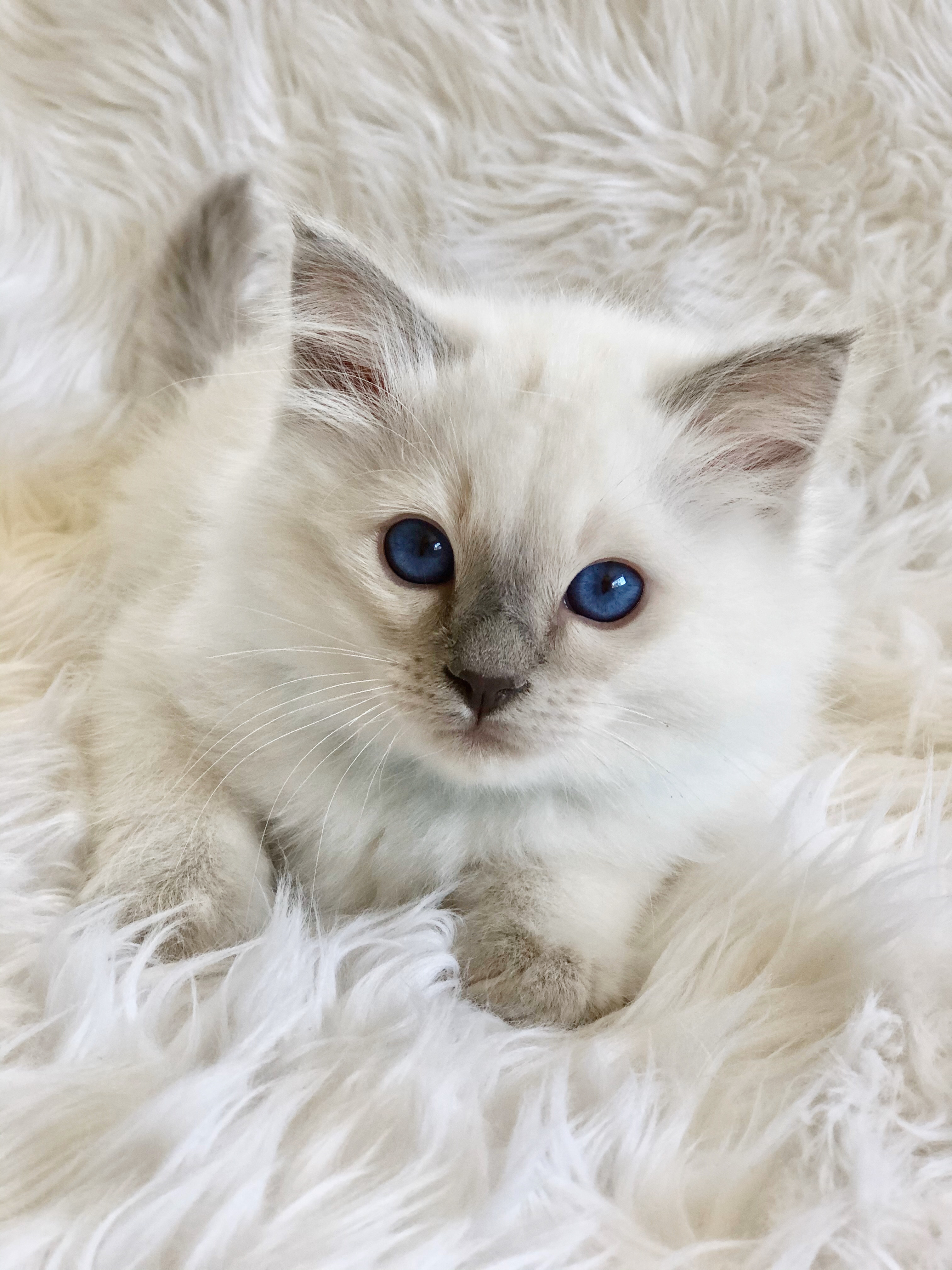
Balinese are slender yet muscular, with a plume tail and close-lying, silky fur that lacks a heavy undercoat. Color points—darker shades on the ears, face, paws, and tail—come in seal, blue, chocolate, lilac, and other variations. Their bright sapphire eyes are almond-shaped and slightly slanted.
Personality
Highly social and inquisitive, Balinese like to be involved in every household activity. They communicate with gentle chirps and trills rather than loud meows, and they learn tricks, fetch toys, and follow family members from room to room. Their adaptable nature suits apartments or larger homes equally well.
Care Requirements
Diet
A protein-rich, balanced diet keeps the breed lean and energetic. Measure meals to prevent overfeeding, provide fresh water at all times, and limit treats to no more than ten percent of daily calories.
Grooming
The single-layered coat rarely mats, so two or three gentle brushings a week remove loose hair and reduce shedding. A stainless-steel comb works well. Trim nails monthly and check ears for wax buildup.
Health
Balinese are generally robust, but regular vet visits, vaccinations, and dental care remain essential. Responsible breeders screen for common issues such as progressive retinal atrophy and heart conditions; ask for proof of parental health testing.
Purchasing a Balinese Cat
Finding a Breeder
Seek breeders who raise kittens indoors, socialize them from birth, and allow you to meet the mother cat. Membership in a recognized cat club and a written sales contract are good signs. Avoid sellers who always have kittens available or who refuse home visits.
Health Guarantee
Ethical breeders provide a contract stating that the kitten is free from hereditary disease for at least the first year. Keep all paperwork, and schedule a vet exam within the first week of arrival.
Cost
Pet-quality kittens usually range from moderate to moderately high in price, depending on pedigree and region. Budget also for spay/neuter, initial supplies, and ongoing care such as quality food, litter, toys, and annual checkups.
Conclusion
A Balinese brings elegance, affection, and lively conversation to the right home. By researching breeders, preparing for grooming and playtime, and committing to lifelong veterinary care, you can welcome a healthy, happy companion who will reward you with years of loyal friendship.
Future Research
Continued study of genetic diversity, optimal nutrition, and enrichment activities can help keep the breed thriving. Observing how Balinese solve puzzles and interact with children or other pets may also deepen our understanding of their intelligence and social needs.


