


Title: The Vital Role of Local Cat Rescue Centers: A Thoughtful Overview
Introduction:
Across towns and cities, the welfare of abandoned or stray cats has become a growing concern for many animal lovers. Local rescue centers step in as safe havens, offering temporary shelter and a fresh start for these felines. This article explores why nearby cat rescue facilities matter, the hurdles they encounter, and practical ways the community can help them thrive.
The Role of Local Cat Rescue Centers
Neighborhood rescue centers provide essential services that benefit both cats and future guardians:
1. Temporary Care: Cats receive nutritious meals, clean water, and cozy bedding, giving them time to heal from stress or minor injuries before moving on to permanent homes.
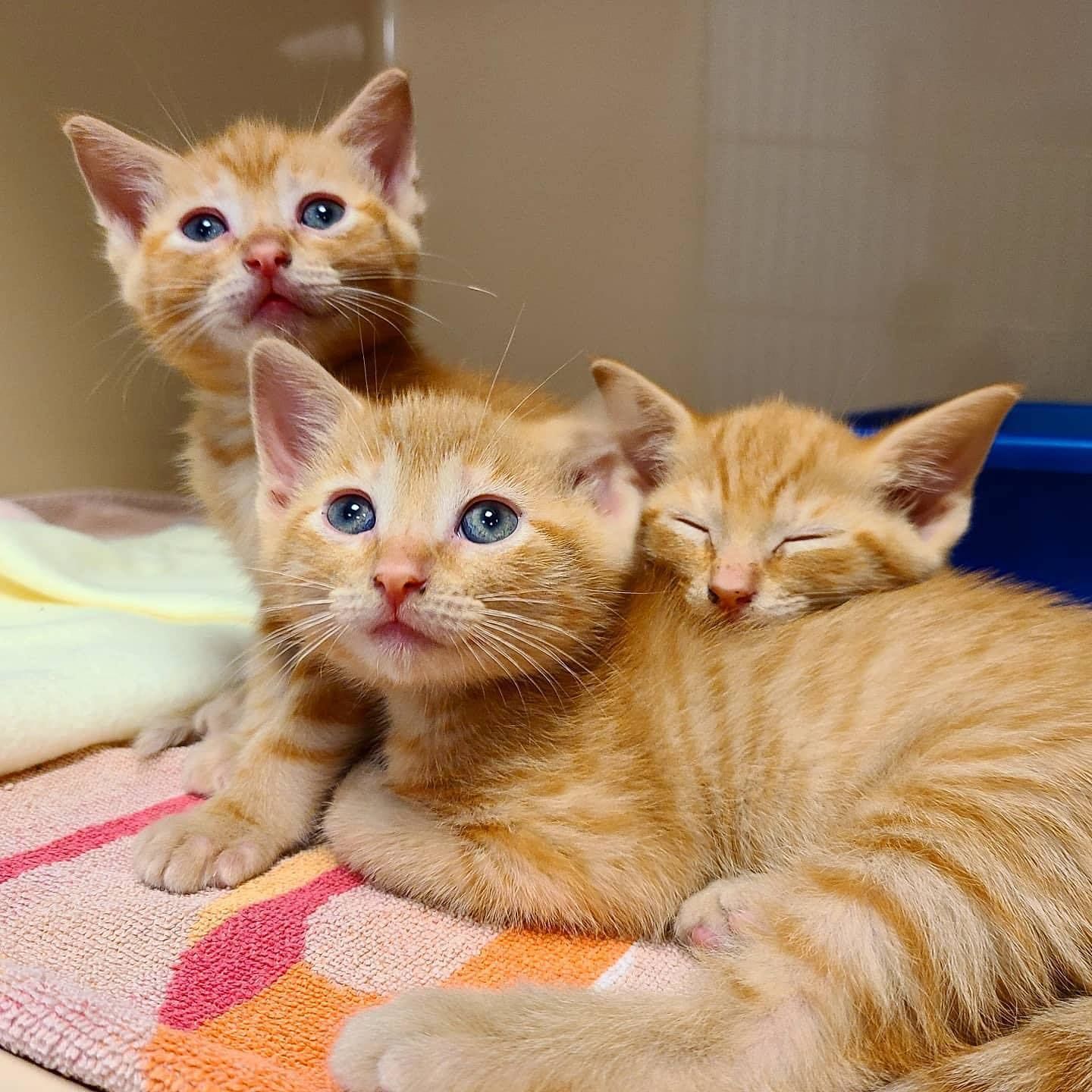
2. Medical Support: On-site vets or partner clinics handle vaccinations, spay/neuter procedures, and treatment for common ailments, ensuring every cat leaves healthy and ready for adoption.
3. Behavior Evaluation: Trained staff observe each cat’s personality—playful, shy, or sociable—so adopters can choose a companion that fits their lifestyle.
4. Adoption Events: Weekend meet-and-greets, online photo galleries, and social media spotlights connect cats with loving families and speed up the journey home.
The Importance of Local Cat Rescue Centers
These centers matter for several compelling reasons:
1. Curbing Overpopulation: By taking in unplanned litters and community cats, rescues ease pressure on municipal facilities and reduce the number of animals living on the streets.
2. Saving Lives: Timely medical care and a nurturing environment give vulnerable cats a second chance they might not otherwise receive.
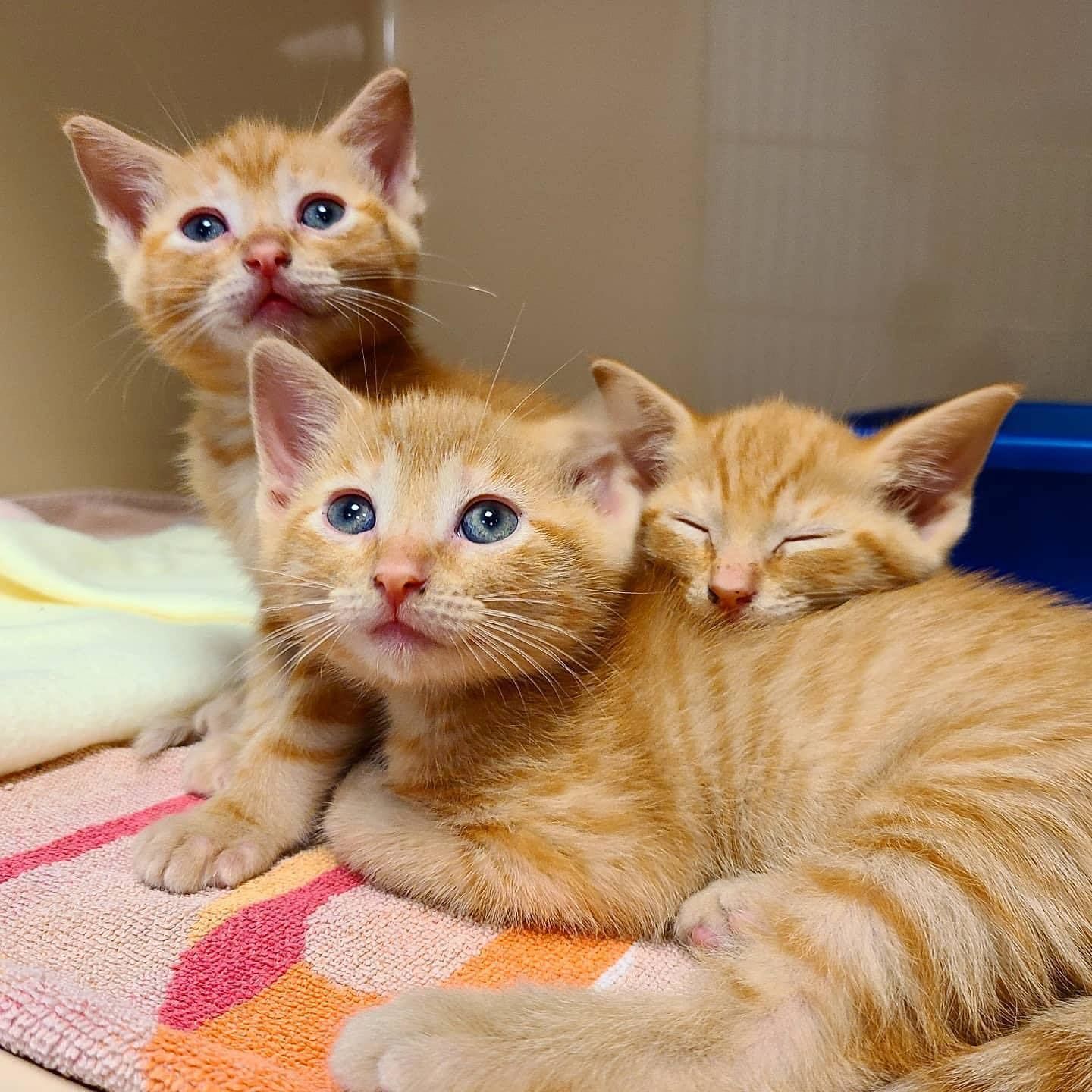
3. Upholding Welfare Standards: Rescues prioritize five freedoms—freedom from hunger, discomfort, pain, fear, and the freedom to express normal behavior—until each cat is adopted.
4. Community Education: Workshops in schools, library bulletin boards, and social posts teach responsible pet ownership and the benefits of sterilization, fostering a kinder culture toward animals.
Challenges Faced by Local Cat Rescue Centers
Even the most dedicated rescues run into obstacles:
1. Tight Budgets: Donations can fluctuate, making it hard to cover food, litter, and veterinary bills while maintaining comfortable living spaces for every cat.
2. Misconceptions: Some people still believe shelter cats are “damaged,” overlooking the fact that most are simply victims of circumstance and make wonderful companions.
3. Limited Coordination: When multiple groups work in isolation, cats may wait longer for homes and resources can be duplicated or wasted.
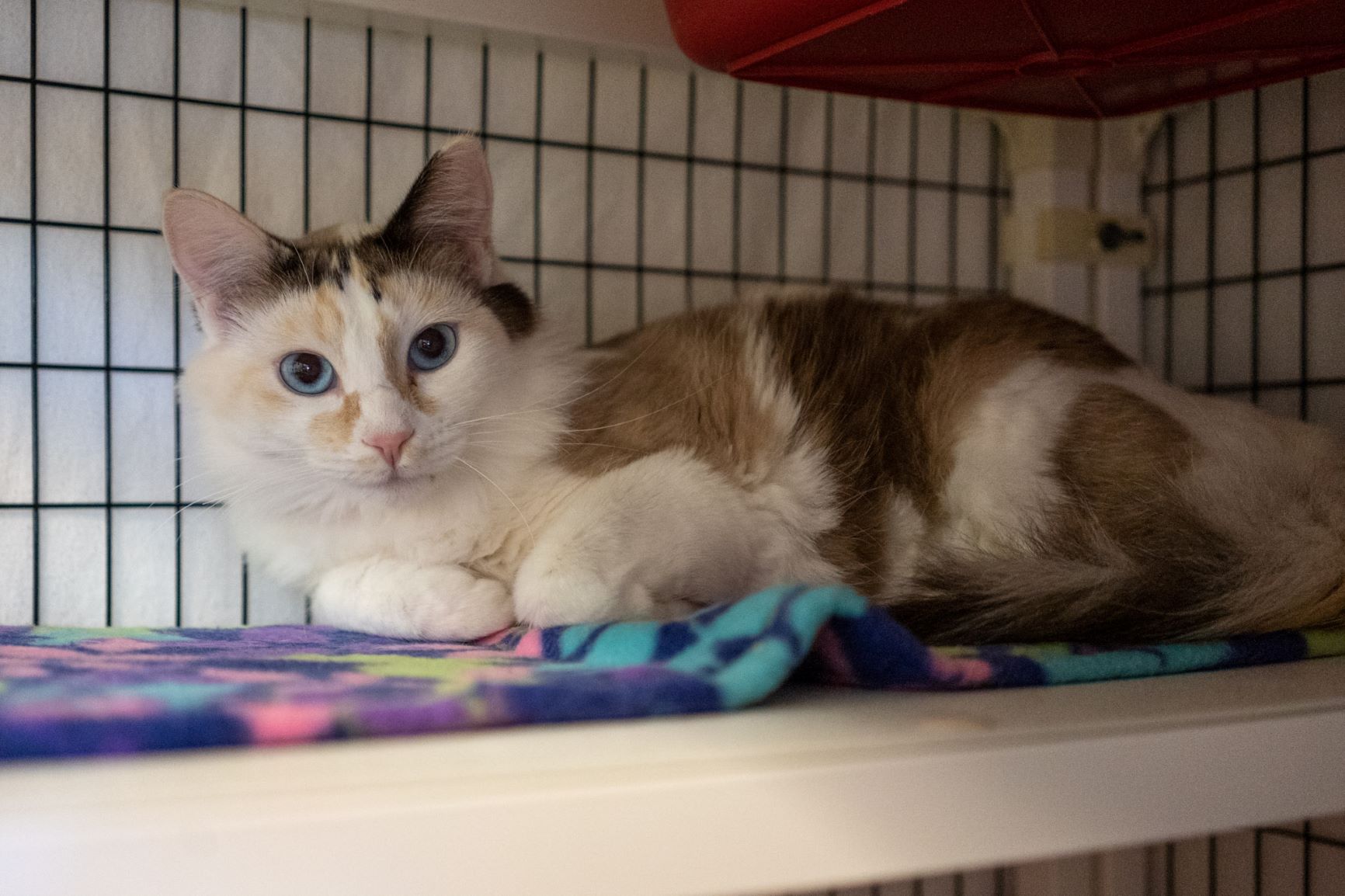
Addressing the Challenges: Potential Solutions
Practical steps can turn these hurdles into opportunities:
1. Diverse Fund-Raising: Monthly giving clubs, charity thrift stores, and corporate matching programs create steady income streams that keep kennels clean and kitties well-fed.
2. Positive Storytelling: Short videos of “gotcha day” moments, alumni updates, and volunteer testimonials replace outdated myths with heart-warming facts that inspire adoptions.
3. Shared Networks: Cloud-based databases and quarterly meet-ups let shelters, veterinarians, and transport volunteers coordinate intakes, transfers, and adoption events smoothly.
4. Hands-On Help: Weekend dog-wash-style cat washes, school craft fairs that make toys for kennels, and corporate volunteer days build community pride and lighten the daily workload for staff.
Conclusion:
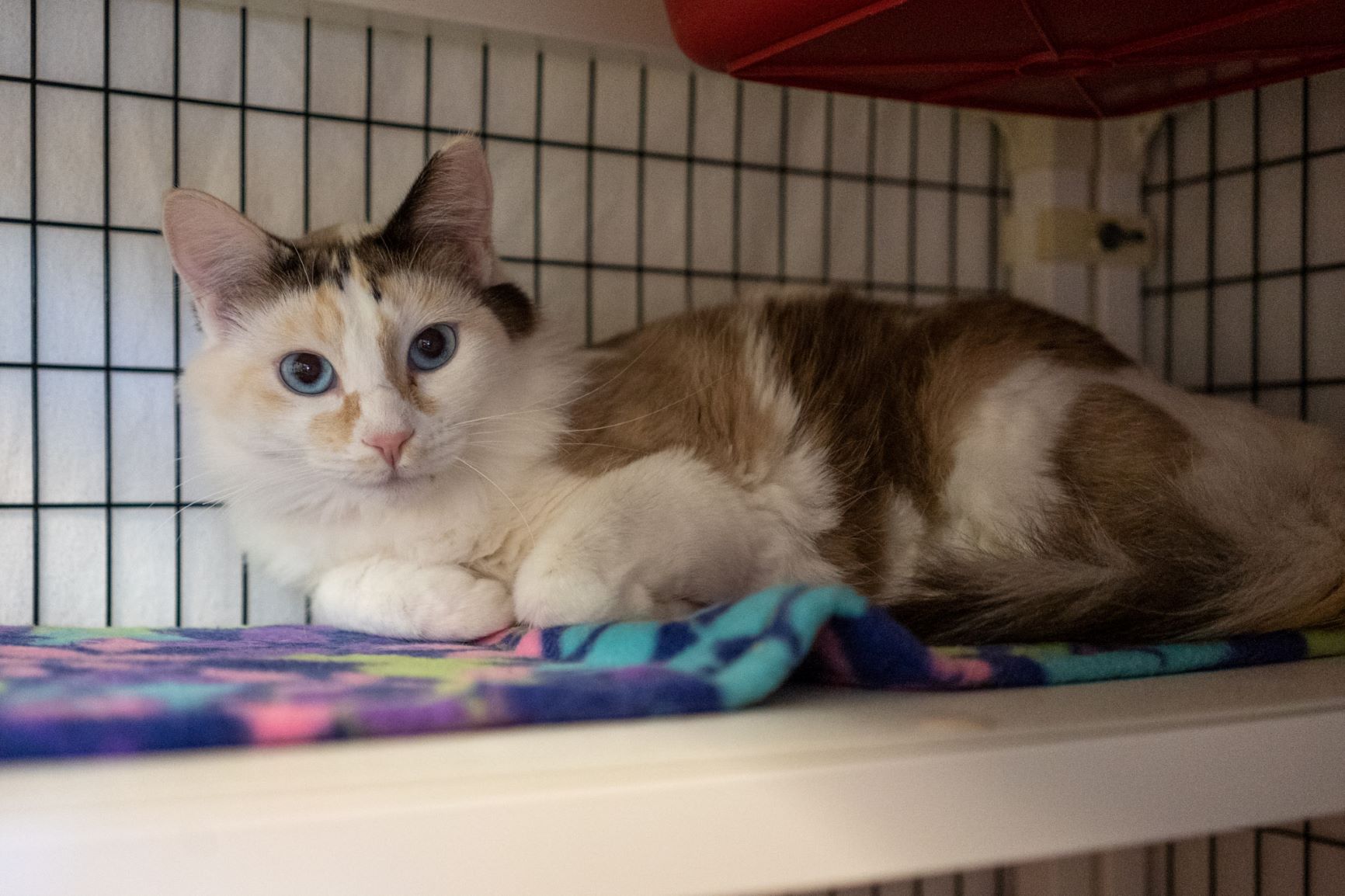
Local cat rescue centers are indispensable allies in the effort to manage feline overpopulation, save lives, and nurture responsible communities. By boosting funding, correcting myths, forging partnerships, and inviting everyday people to pitch in, these shelters can continue turning tiny meows into lifelong purrs of gratitude. Supporting them today means fewer cats on the streets—and more warm laps filled with affectionate companions tomorrow.


