

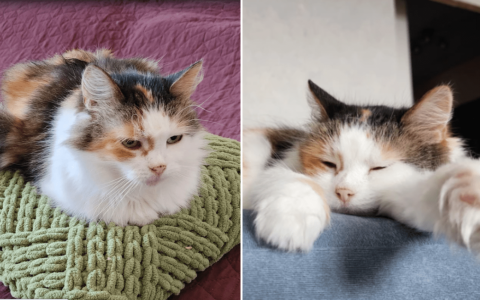
Adopting an Older Cat: A Compassionate Choice
Introduction
Opening your home to a senior cat is a kind decision that more people are making each year. As interest in rescue pets grows, many adopters are discovering the quiet rewards of choosing an older feline companion. This article outlines the advantages, possible hurdles, and the lasting value of giving a mature cat a safe, loving place to live out its golden years.
The Benefits of Adopting an Older Cat
1. Calmer Energy
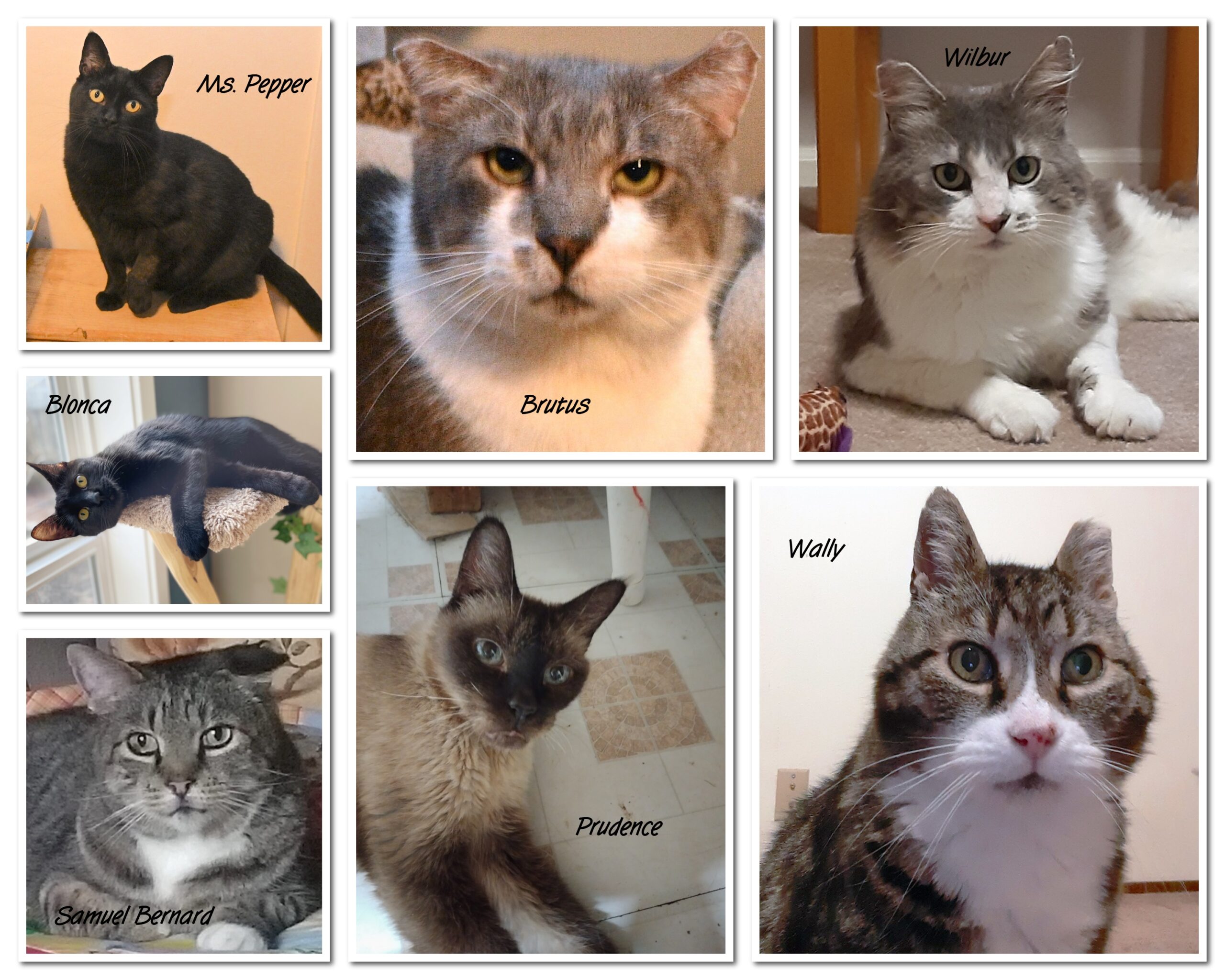
Mature cats usually prefer lounging in a sunny spot to tearing around the house. Their relaxed pace suits apartment life, working guardians, or anyone who enjoys peaceful evenings on the couch.
2. Predictable Personality
By adulthood, a cat’s character is fully formed. Whether you want a cuddly lap warmer or an independent observer, you can tell right away which cat matches your lifestyle, making the match easier and more reliable.
3. Health Head Start
Most senior shelter cats arrive already spayed or neutered and with up-to-date vaccinations. Routine check-ups are often documented, so you begin with a clear picture of your new friend’s medical baseline.
Challenges of Adopting an Older Cat
1. Age-Related Care
Even well-cared-for cats can develop arthritis, dental issues, or kidney concerns. Budgeting for regular vet visits and possible medication is part of responsible guardianship.
2. Slower Transition
Older cats may need extra weeks to learn new smells, sounds, and routines. A quiet room, consistent schedule, and gentle encouragement help them feel secure faster.
3. Shorter Timeline
Time together may be measured in years rather than decades. Many adopters find, however, that the depth of the bond formed outweighs the knowledge that it may be brief.

The Importance of Providing a Loving Home
1. Easing Shelter Burden
Choosing a senior frees up space and resources for shelters, allowing them to rescue more animals while giving a cat who might wait longest a second chance.
2. Mutual Well-Being
Caring for a gentle companion can lower stress and create daily moments of joy for the caregiver. The cat, in turn, receives warmth, safety, and the comfort of a stable routine.
3. Inspiring Others
Every successful senior adoption story shared among friends or on social media plants the idea that older pets are worth considering, gradually shifting community attitudes.
Case Studies and Expert Opinions
1. Case Study: A Gentle Soul Named Ash
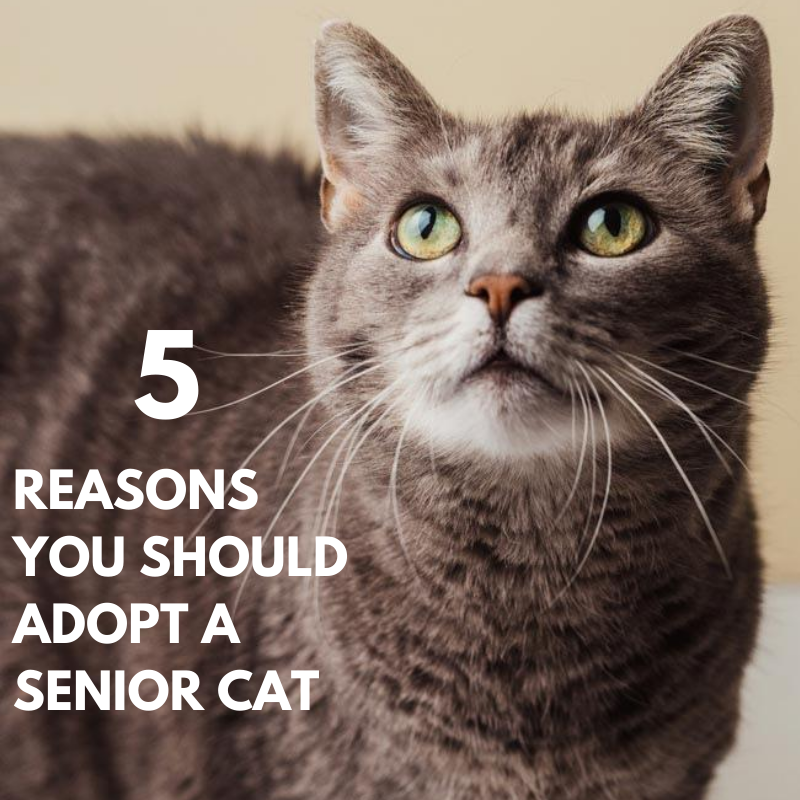
After three seasons in a rescue, a calm tabby named Ash caught the eye of a retired couple. Though shy at first, he soon claimed the living-room armchair as his throne, greeting visitors with soft chirps and becoming the household’s steady heartbeat.
2. Expert Opinion: Veterinarian Insight
A seasoned clinic director notes, “Senior cats often arrive with impeccable manners, settled energy, and immense gratitude. They ask for little more than a warm bed and kind voices, returning the favor with quiet devotion.”
Conclusion
Bringing a senior cat home is an act of empathy that enriches both human and feline lives. With realistic expectations and a little extra patience, adopters gain a grateful companion while making a tangible difference for animals in need.
Recommendations and Future Research
1. Recommendations
– Learn about common age-related conditions and locate a vet you trust before adopting.
– Ask shelters about the cat’s history, dietary needs, and favorite comforts to ease the move.
– Share positive experiences online to counter myths that older pets are “less adoptable.”
2. Future Research
– Studies could track health outcomes for senior cats in home settings versus long-term foster care.
– Research on human-animal bonds might explore how caring for a geriatric pet affects caregiver well-being.
– Investigations into best-practice adoption counseling could identify key supports that help senior cats settle faster and stay home for good.


