

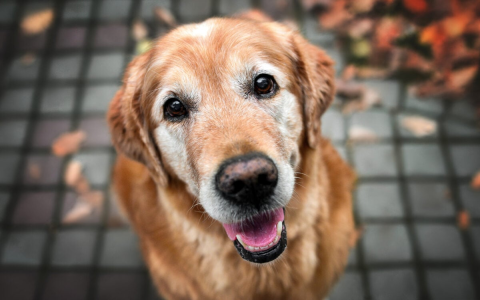
The Significance of a Dog Gazing Upward: A Comprehensive Overview
Introduction
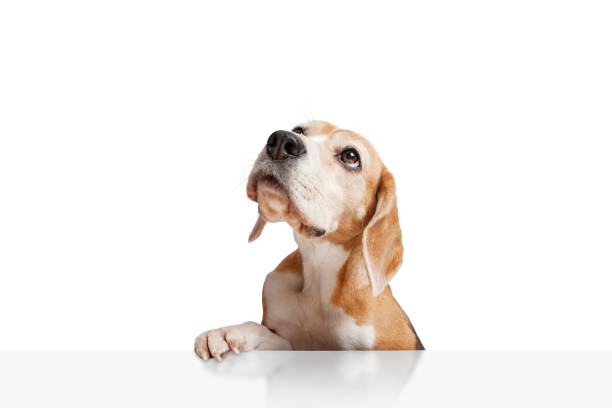
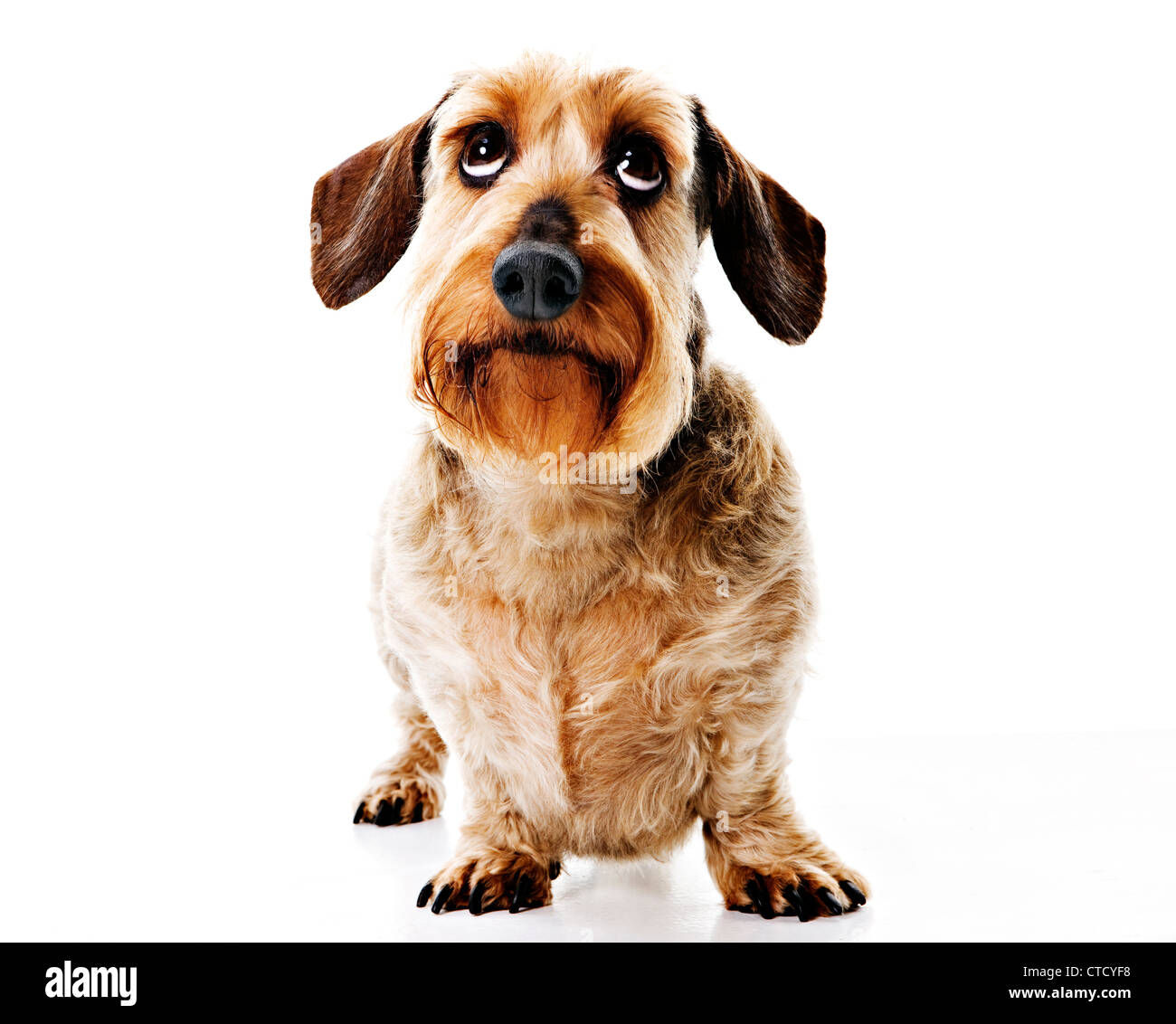
The simple image of a dog lifting its eyes skyward carries far more weight than a casual glance. This overview explores why canines tilt their heads toward the heavens, how the gesture influences the bond between people and pets, and what it quietly reveals about emotion, culture, and mutual trust. By viewing the topic from several angles, we can appreciate the quiet eloquence contained in one small movement.
The Literal Behavior: When Dogs Look Up
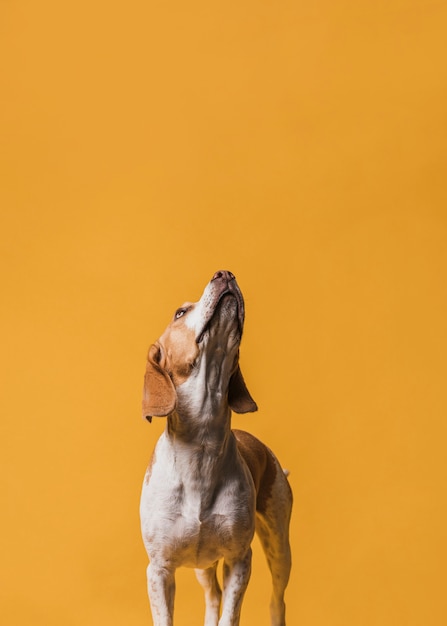
At ground level, a dog angles its muzzle upward for many everyday reasons: a passing bird, a drifting scent, or the rustle of leaves in a high branch. This upward glance is part survival skill, part sensory exploration. It widens the dog’s field of view, channels scent molecules into sensitive nasal passages, and helps the animal build a three-dimensional map of its surroundings.
Curiosity and Exploration
Young dogs especially use upward glances to gather new information. A novel silhouette on a rooftop or the flicker of a wind-tossed plastic bag becomes an instant lesson in physics and probability. Each tilt of the head refines neural pathways, turning curiosity into experience and experience into confident movement.
Caution and Reassurance
An elevated stare can also signal mild unease. A shadow crossing overhead or the distant rumble of thunder prompts the dog to assess distance and threat level. Reading the sky helps the animal decide whether to relax, seek cover, or move closer to a trusted human for comfort.
Human–Canine Communication: What the Upward Glance Conveys
Between species, eye angle speaks volumes. A soft, upward look can replace pages of spoken language, telling the observer about mood, intent, and social place within the shared home.
Trust and Deference
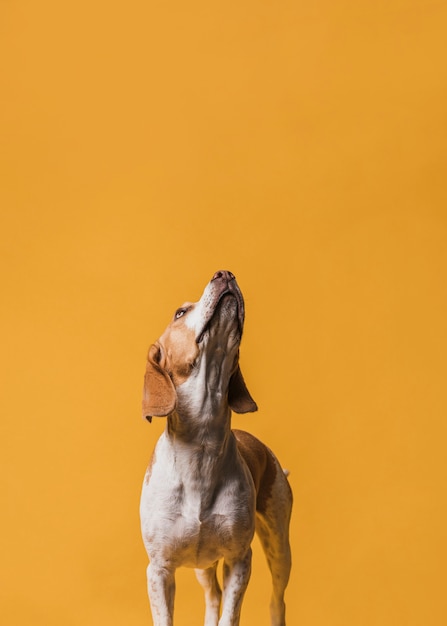
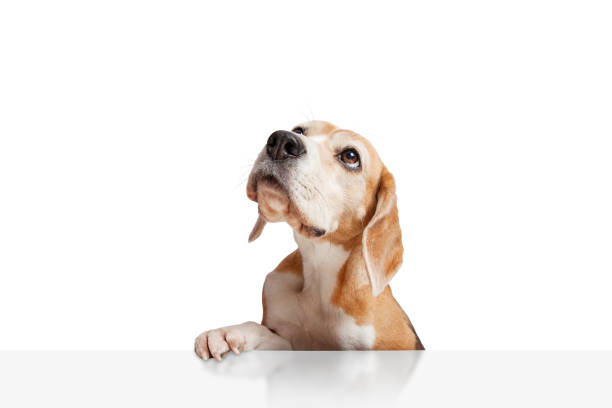
When a dog briefly meets a caregiver’s eyes and then tilts its gaze higher, it often signals respect rather than challenge. The subtle deferral invites guidance, offering the human the role of decision-maker while reinforcing the dog’s feeling of safety under that leadership.
Affection and Social Glue
Sustained, relaxed upward gazes frequently accompany quiet moments on the sofa or slow walks at dusk. Mutual eye contact triggers oxytocin release in both parties, deepening attachment the same way a calm conversation strengthens a friendship between people.
Cultural and Psychological Reflections
Beyond living rooms and sidewalks, the image of a dog looking up resonates in art, proverb, and daily metaphor. It mirrors themes of loyalty, aspiration, and interdependence that societies have celebrated for centuries.
Companionship Through the Ages
From ancient campfires to modern cafés, dogs have walked beside humans, offering vigilance in exchange for steady meals and warm fires. The upward glance encapsulates that bargain: the dog keeps watch, the human provides, and both lives improve.
Shared Hierarchies, Shared Comfort
Many cultures value respectful acknowledgment of authority, and the canine head-lift fits neatly into that narrative. At the same time, people gain emotional grounding from a creature that literally looks to them for direction, creating a feedback loop of responsibility and reassurance.
Emotional Well-Being
For humans, being the focus of a trusting gaze can ease loneliness and reduce stress. For dogs, receiving a gentle word or stroke in return validates social bonds and satisfies an innate need for cooperative living.
Conclusion
A dog’s upward glance is a small motion packed with layered meaning: vigilance, curiosity, respect, and affection braided into a single tilt of the head. Recognizing the significance of that gesture enriches our understanding of the quiet dialogue that sustains one of humanity’s oldest partnerships.
Suggestions for Further Exploration
Continued observation and study can deepen appreciation of this everyday behavior:
1. Track environmental stimuli that prompt upward glances in varied settings, noting accompanying body language.
2. Measure physiological changes in both dogs and owners during prolonged gentle eye contact.
3. Compare artistic and literary depictions of the upward gaze across different cultures and eras.
4. Incorporate positive reinforcement techniques that reward soft, relaxed eye contact, fostering stronger cooperative bonds.
By paying closer attention to the moments when dogs lift their eyes, we honor the subtle language that has long connected two species and continue to nurture a relationship built on mutual benefit and quiet affection.


