


Pitbull Puppies: A Friendly Guide to Raising and Enjoying These Devoted Dogs
Introduction
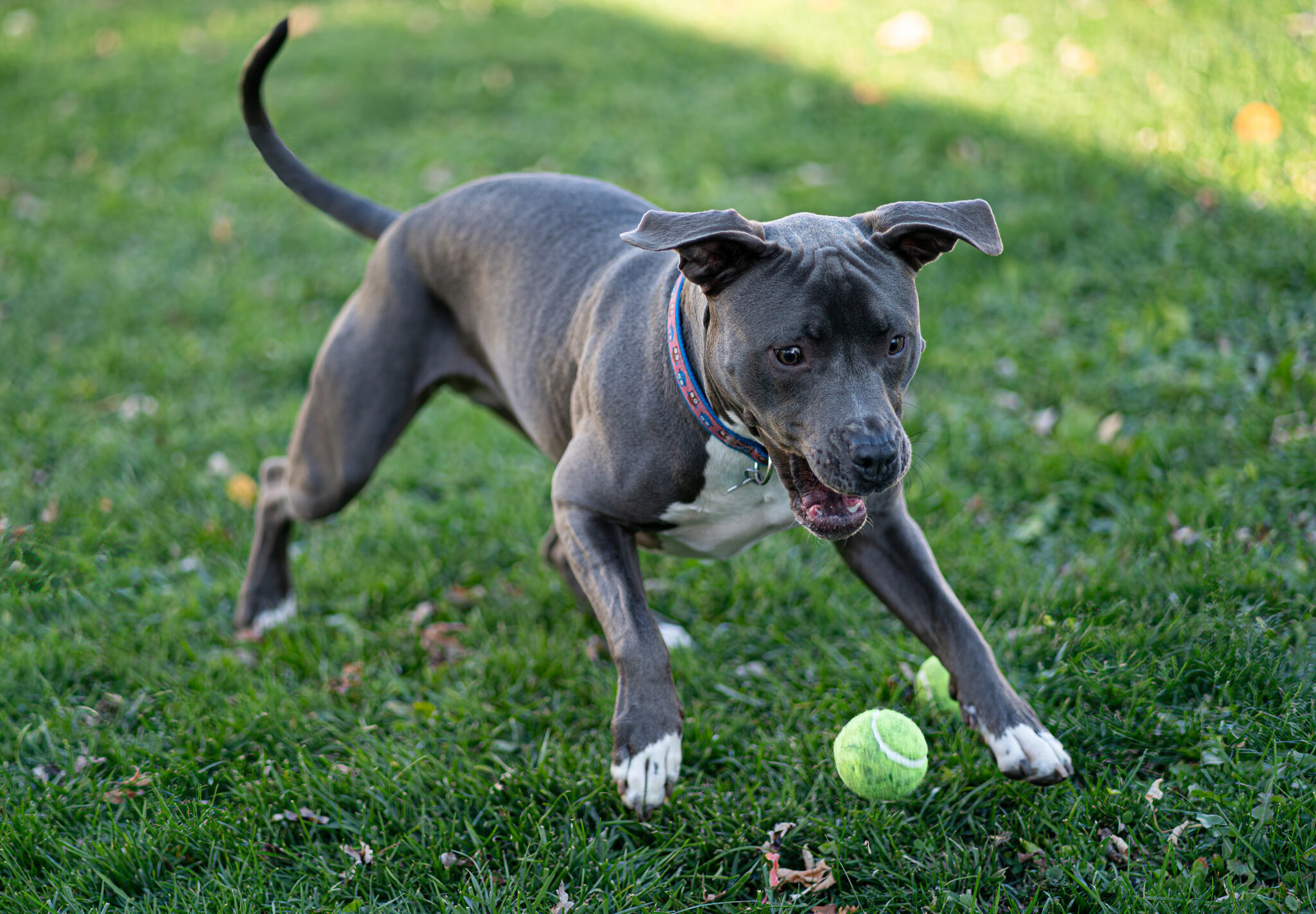
Pitbull puppies have become beloved pets in many households. Celebrated for their devotion, energy, and quick minds, they win people over when given the right care. Still, bringing one home means learning about their personality, daily needs, and any local rules that apply. This guide walks you through the basics—background, temperament, training tips, and everyday care—so you and your puppy can thrive together.
The Story of Pitbulls as Family Dogs
Originally bred for strength and stamina, Pitbulls later moved from farms and ranches to living rooms around the world. Over time their loyalty and love of people made them popular companions. Today many owners value them as affectionate pets that form tight bonds with adults and children alike.

Understanding a Pitbull Puppy’s Nature
Pitbull pups are playful, people-oriented, and eager to learn. Because they grow into strong, active adults, early lessons in manners and social skills are essential. Gentle exposure to new faces, places, and other animals during the first few months lays the groundwork for a confident, polite dog.
Training and Socialization
Guidance and positive experiences shape a happy future. Keep these ideas in mind:
Training
1. Start Early: Begin simple commands the moment your pup arrives. Short, fun sessions prevent bad habits before they start.

2. Stay Consistent: Use the same words and rewards every time so your puppy understands what you want.
3. Reward Generously: Praise, toys, and tiny treats motivate better than punishment and build trust.
Socialization
1. Offer Variety: Walk on different surfaces, meet people of all ages, and listen to everyday noises so nothing feels scary later.
2. Arrange Playdates: Supervised meetings with well-mannered dogs teach polite canine language.
3. Practice Handling: Touch paws, ears, and mouth gently while feeding treats; vet and grooming visits will then be stress-free.
Legal Points to Check
Rules vary by city, so do a quick search before adoption. Typical areas to review:
Breed-Specific Rules
Some regions restrict certain breeds or require extra licensing. Know what applies in your neighborhood to stay compliant.
Leash Laws
Almost every public space asks that dogs stay on leash. A sturdy leash and secure collar or harness keep your pup safe and neighbors comfortable.
Insurance
A basic pet policy can cushion unexpected vet bills and sometimes covers liability, giving you peace of mind.
Health and Nutrition
A thriving puppy needs balanced meals, routine checkups, and plenty of action.
Regular Vet Visits
Book vaccinations, deworming, and wellness exams on the schedule your veterinarian suggests. Catching small issues early prevents bigger problems later.

Quality Food
Choose a diet formulated for medium-to-large puppies. Measured meals, rather than free-feeding, help maintain a healthy weight.
Daily Exercise
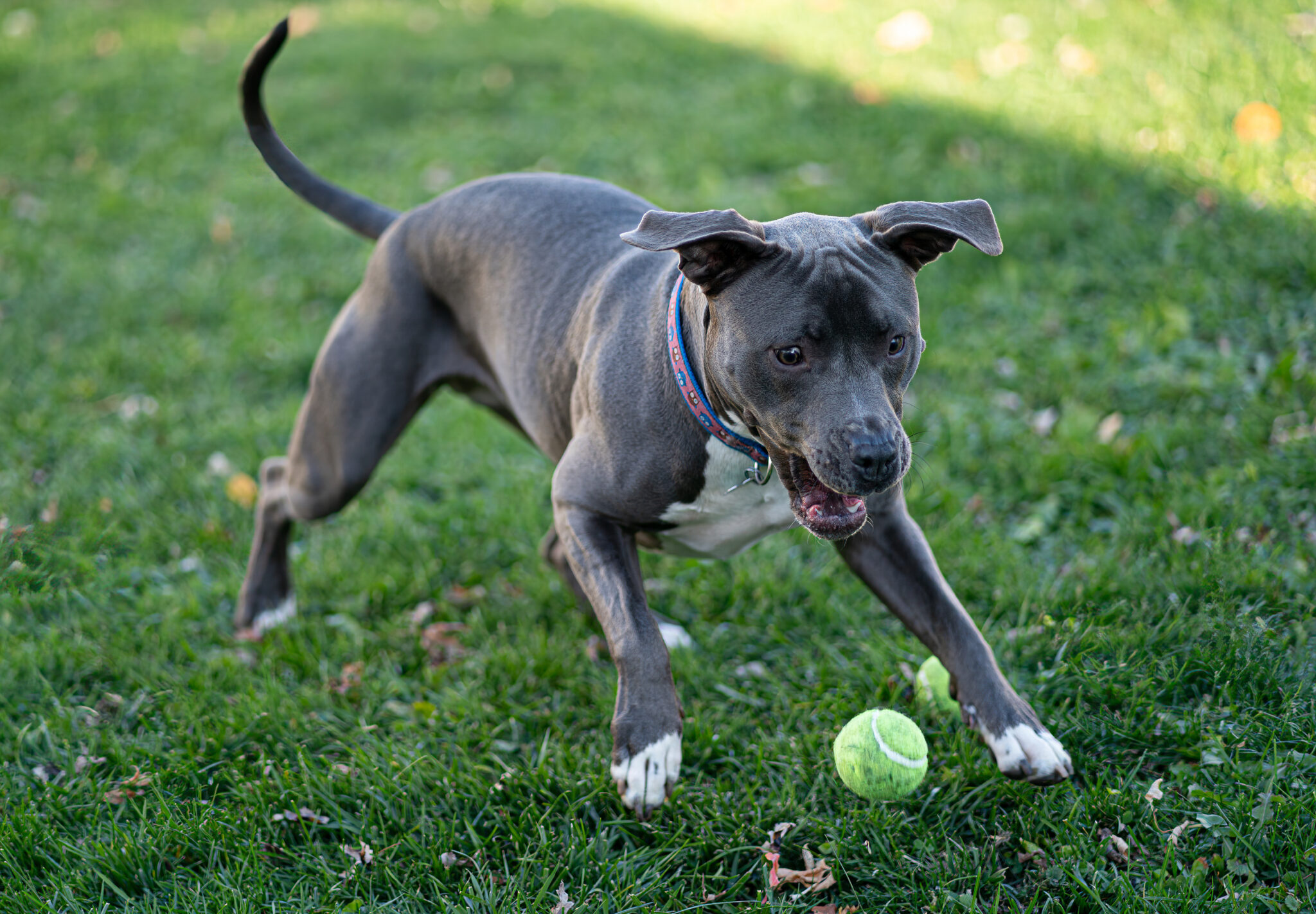
Two brisk walks, active games, and short training games keep muscles strong and minds engaged. Puzzle toys also curb boredom when the weather keeps you indoors.
Conclusion
With patient guidance, clear rules, and lots of affection, a Pitbull puppy grows into a loyal, well-behaved friend. Responsible ownership—training, socialization, health care, and respect for local laws—turns an adorable bundle of energy into a cherished family member for years to come.

Future Research
Ongoing studies on canine behavior, positive-training methods, and the effects of breed regulations can help owners, veterinarians, and lawmakers support every dog’s wellbeing. Sharing experiences within the community also spreads best practices and keeps beloved pets in caring homes.


