Adopting a Therapy Dog: A Practical Guide to Comfort and Connection
Introduction
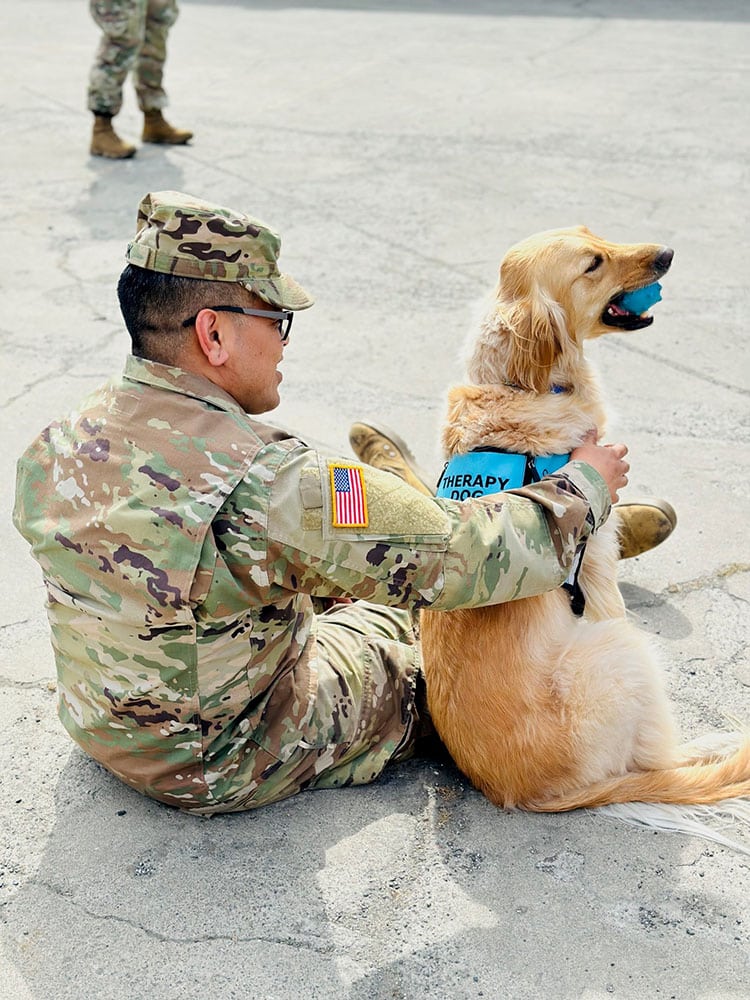
In a world that rarely slows down, emotional balance is more important than ever. Many people look beyond traditional approaches and turn to therapy dogs—calm, well-mannered animals trained to share affection in hospitals, classrooms, care homes, and private residences. This guide walks you through the essentials of welcoming one of these gentle companions into your life, from first thought to first wag.
The Benefits of a Therapy Dog
Emotional Support

A therapy dog’s presence can soften stress, ease worry, and lift low moods. Quiet walks, steady eye contact, and the simple warmth of fur beneath your hand often speak louder than words, offering comfort on difficult days.
Companionship
For anyone feeling isolated, a therapy dog provides steady, judgment-free company. Their consistent greetings and affectionate nudges can rebuild confidence and encourage gentle conversation with neighbors, coworkers, or fellow park-goers.
Physical Health Perks
Daily strolls with a calm canine keep joints moving and hearts pumping. The rhythmic motion of stroking soft fur has also been linked to lower blood pressure and slower breathing—small moments that add up to measurable wellness.
Finding the Right Dog

Local Organizations
Start by contacting nearby nonprofits that evaluate and place therapy dogs. These groups screen animals for temperament, health, and training, then match them with suitable homes or working partnerships.
Online Tools
Searchable registries and interactive maps let you filter by zip code, living situation, and activity level. Many sites list upcoming meet-and-greet events where you can observe several dogs in one relaxed setting.
Community Connections
Chat with librarians, school counselors, or physical-therapy staff—places that already welcome therapy dogs. Personal recommendations often reveal reputable programs you might not find in a quick web search.

The Adoption Journey
Assessing Your Lifestyle
Ask yourself honest questions about schedule, budget, and energy. Therapy dogs need daily exercise, mental stimulation, routine vet care, and plenty of together time to stay happy and effective.
Meeting Candidates
Arrange calm, low-pressure visits. Watch how each dog reacts to sudden sounds, unfamiliar hands, and close hugs. The right match will stay relaxed, curious, and eager to lean into your touch.
Application Steps

Expect paperwork that covers living arrangements, past pet experience, and references. Some programs also invite you to a short interview to be sure expectations align on both sides.
Training and Certification
Once chosen, handler and dog attend classes that reinforce polite leash manners, steady temperament around medical equipment, and gentle responses to emotional outbursts. A final evaluation confirms the team is ready to spread comfort safely.
Why Therapy Dogs Matter
Boosting Mental Wellness
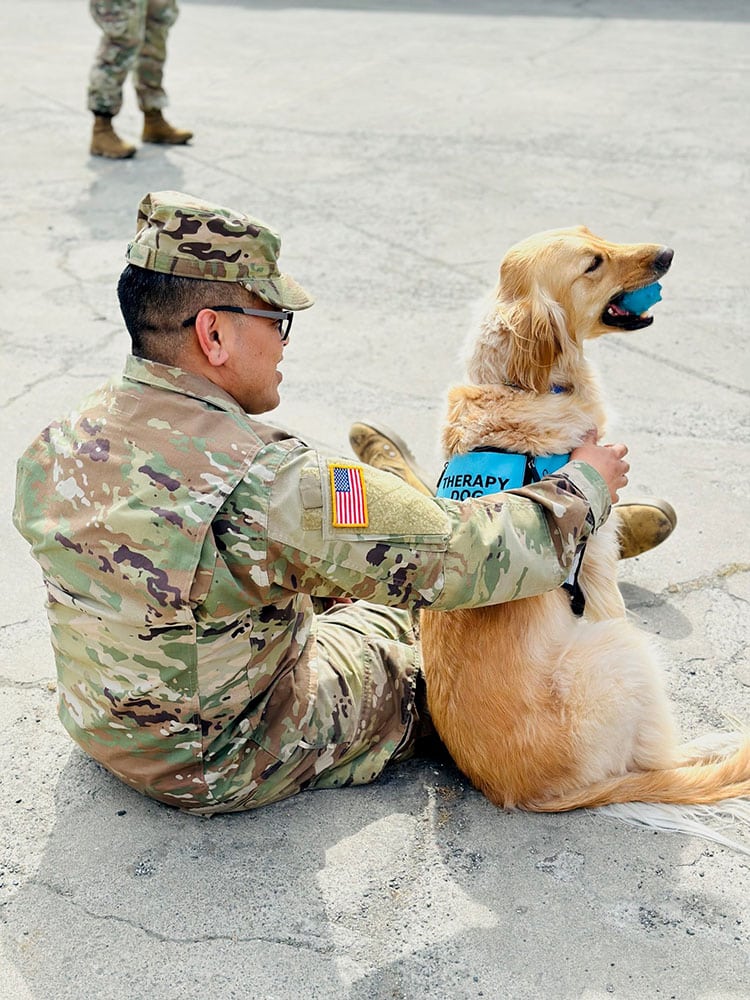
These dogs create pockets of predictability in chaotic days. Their steady breathing and soft weight against a leg can anchor someone during panic attacks or grief waves, making therapy sessions or hospital stays feel less overwhelming.
Encouraging Social Bonds
A dog in a bandana is an instant conversation piece. Shared smiles over wagging tails often grow into friendships among strangers who might otherwise never speak, knitting stronger community fabric.
Cultivating Empathy
Caring for a creature that reads emotions without language teaches patience, observation, and kindness. Those lessons ripple outward, improving how people treat colleagues, students, patients, and family.
Conclusion
Opening your home—or your workplace—to a therapy dog can brighten moods, spark movement, and weave new social threads. By researching reputable programs, reflecting on your readiness, and completing thoughtful training, you invite a quiet hero into daily life. The gentle eyes waiting at your door may soon become the steady heartbeat that helps you, and countless others, breathe a little easier.