


Title: The Role of Emergency Shelter Finders in Crisis Response
Introduction:
When unexpected events strike, people need reliable ways to reach safety fast. An emergency shelter finder is one of the most valuable tools for guiding residents to secure locations. This article explains why such systems matter, how well they work, the obstacles they face, and the improvements on the horizon.
Understanding Emergency Shelter Finders
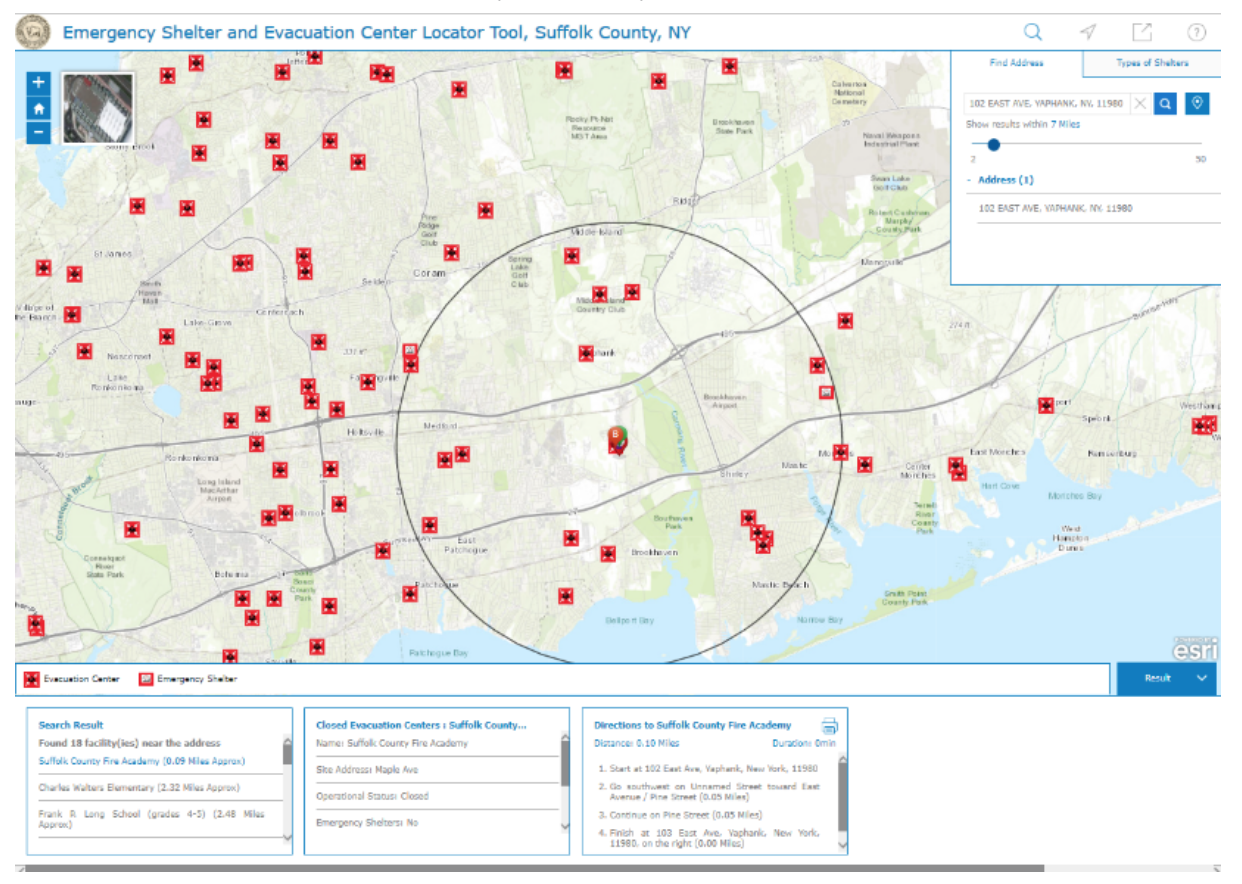
An emergency shelter finder combines digital maps, satellite views, and mobile apps to show which nearby buildings are open and equipped to receive evacuees. By updating in real time, it steers the public away from danger and toward adequate facilities.
Effectiveness of Emergency Shelter Finders
These tools shorten the time needed to locate safe accommodations, balance crowd levels across multiple sites, and help agencies share supplies where they are most needed. Independent reviews suggest that communities using modern shelter finders move evacuees indoors faster and more smoothly than those relying on word-of-mouth alone.
Challenges Faced by Shelter Finders
Outdated entries can send people to closed or unsafe buildings, while rapid urban growth makes constant updates difficult. In addition, residents who lack smartphones or steady internet may miss the announcements entirely, leaving some groups without guidance at the moment they need it most.
Future Prospects of Shelter Finders
Developers are testing smarter software that predicts which areas are likely to need extra space and pre-loads that information. Offline options—such as printable maps, radio broadcasts, and text-message menus—are also being added so that households without data plans can still receive shelter directions.
Conclusion
Emergency shelter finders remain a cornerstone of modern crisis response, guiding people to safety and helping officials manage large-scale relocations. Continued investment in accurate data, user-friendly design, and inclusive access methods will keep these systems dependable for every neighborhood when the next emergency occurs.
Authorities and community organizations are encouraged to maintain and publicize these tools, train residents in their use, and explore new technologies that reach even the most disconnected populations. A shared commitment to reliable shelter information strengthens overall preparedness and protects lives when disasters hit.


