Bengal Cat Price Overview in the United States: A Detailed Guide
Introduction
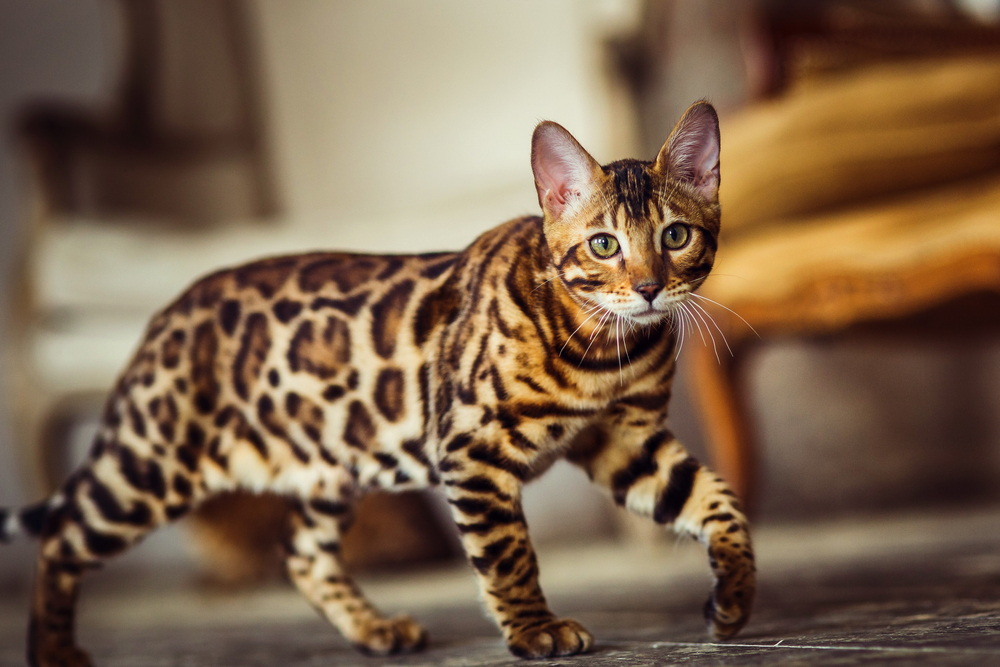
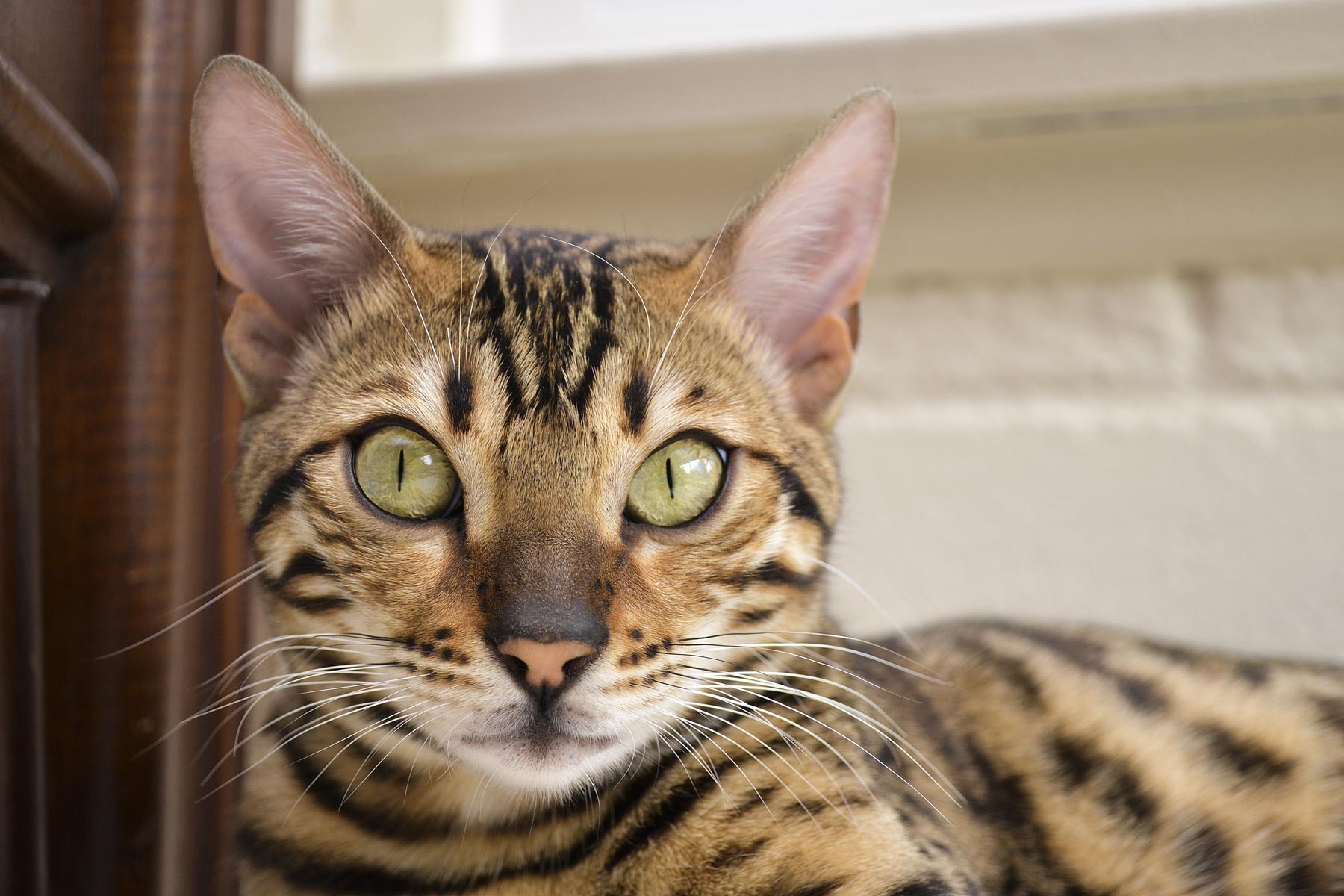
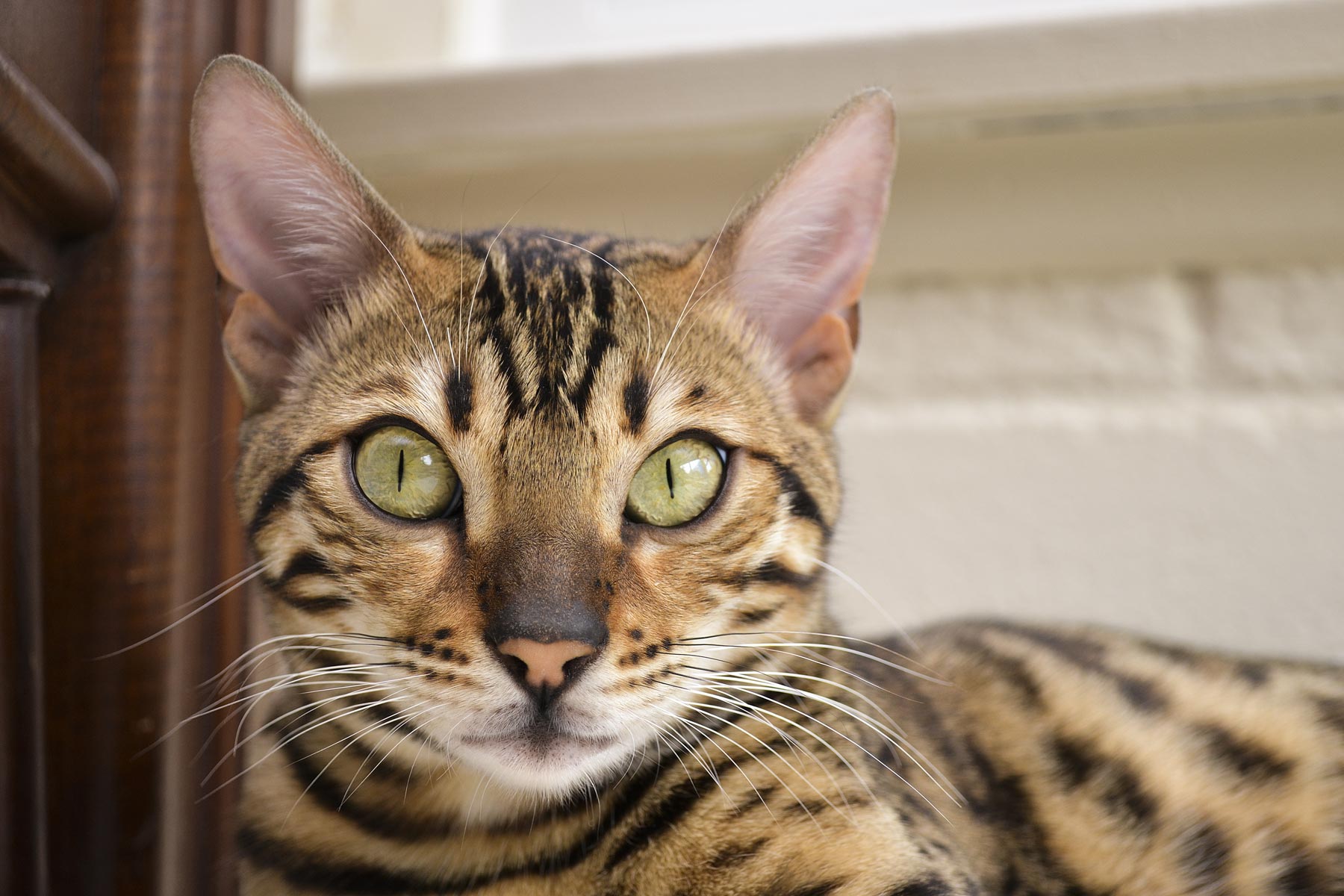
The Bengal cat, admired for its wild-inspired coat and energetic temperament, has become one of the most sought-after breeds across the United States. Growing interest has pushed prices upward, prompting many future owners to ask what drives the numbers. This guide explores the main elements that shape the price tag, along with the ongoing costs that accompany daily life with a Bengal.
Key Elements That Shape Bengal Pricing
1. Breeder Practices and Standing
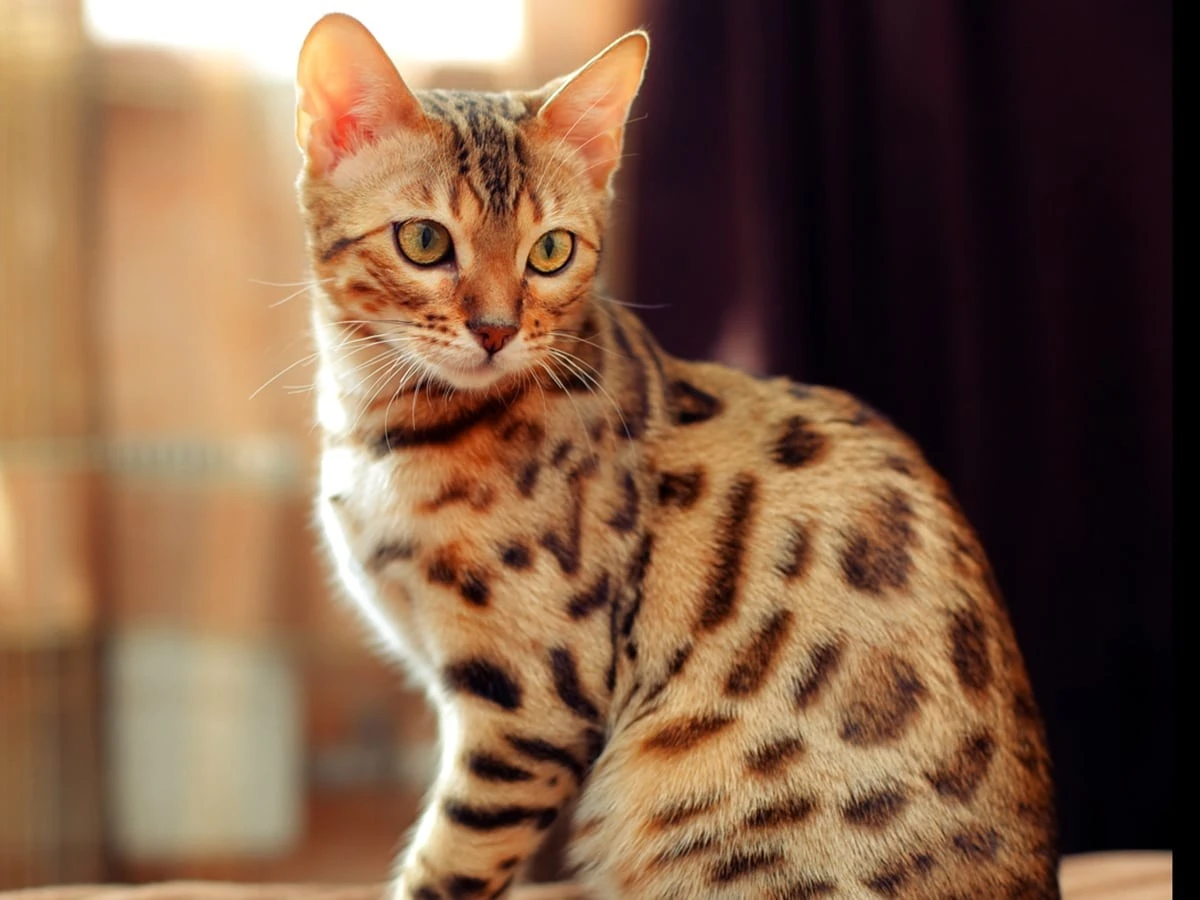
Established breeders who emphasize health screenings, early socialization, and ethical husbandry typically set higher fees. Their kittens often come with starter vaccines, microchips, and a health window, reducing surprise medical bills later.
2. Lineage and Generation
Cats that trace back to early foundation lines or showcase show-quality traits usually command premium prices. The closer the pedigree is to the breed’s original standards, the more collectors and enthusiasts are willing to pay.
3. Age and Sex
Kittens are almost always priced above adolescents or adults because they adapt quickly to new homes and allow owners to shape behavior from an early age. Within the same litter, males and females may be priced differently if one sex is in shorter supply.
4. Registration Papers
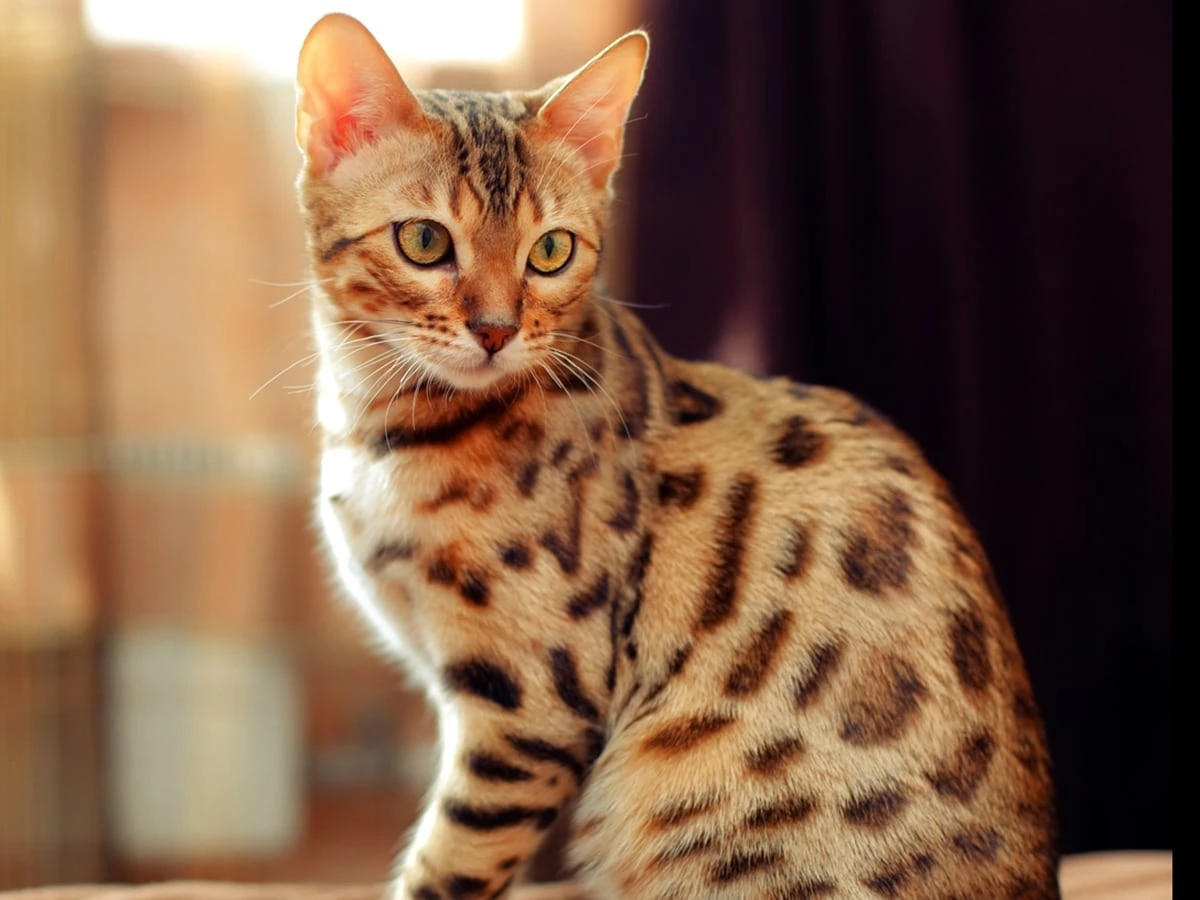
Kittens sold with pedigree certificates from recognized feline registries cost more than those without. The paperwork offers transparency on ancestry and confirms that the kitten meets the breed’s visual and temperamental benchmarks.
Typical Price Window
Most pet-quality Bengal kittens fall between one and three thousand dollars, while kittens bred for exhibition or with rare coloration can move well past that range. Retired breeding cats or young adults are sometimes placed for a lower adoption fee, yet the drop is rarely dramatic.
Lifetime Costs to Budget For
1. Up-Front Fee
Beyond the kitten itself, new owners should plan for carrier, initial vet exam, and possible travel expenses if the cattery is in another state.
2. Routine and Emergency Vet Care
Annual wellness visits, core vaccines, parasite prevention, and occasional urgent care add up quickly. Setting aside a monthly vet fund smooths out these inevitable charges.
3. Nutrition and Daily Supplies
A protein-rich diet suited to the breed’s high metabolism, plus quality litter, puzzle toys, and sturdy scratching furniture, will form the backbone of the monthly budget.
4. Coat and Claw Maintenance
Although Bengals groom themselves efficiently, weekly brushing minimizes hairballs and keeps the signature pelt glossy. Nail trims and occasional dental treats also contribute to overall hygiene.
5. Enrichment and Training
These bright cats thrive on interaction. Investing in clicker-training kits, leash sets for supervised outdoor walks, or even a cat wheel can prevent boredom-related behaviors.
Conclusion
Purchasing a Bengal is only the first step; the true investment unfolds over a decade or more of food, medical care, and enrichment. By mapping out both the initial price and the predictable ongoing expenses, families can welcome their spotted companion with confidence and provide the stable, stimulating life this active breed deserves.
Suggestions for Further Reading
Prospective guardians can deepen their knowledge by reviewing breed-specific care manuals, consulting local feline clubs, and speaking with multiple breeders to compare health guarantees. Continued education supports responsible ownership and helps maintain the Bengal’s reputation as a healthy, engaging household partner for years to come.