


The Fascinating World of Feline Paws: A Friendly Overview
Introduction
The phrase “feline paws” often sparks curiosity among cat enthusiasts and casual observers alike. It hints at the subtle talents hidden in every soft pad and retractable claw. This short overview explores why these quiet appendages draw so much admiration, how they help cats flourish indoors and out, and what they can teach us about living harmoniously with our whiskered companions.
Why Paws Matter
1. Built-in Survival Kit
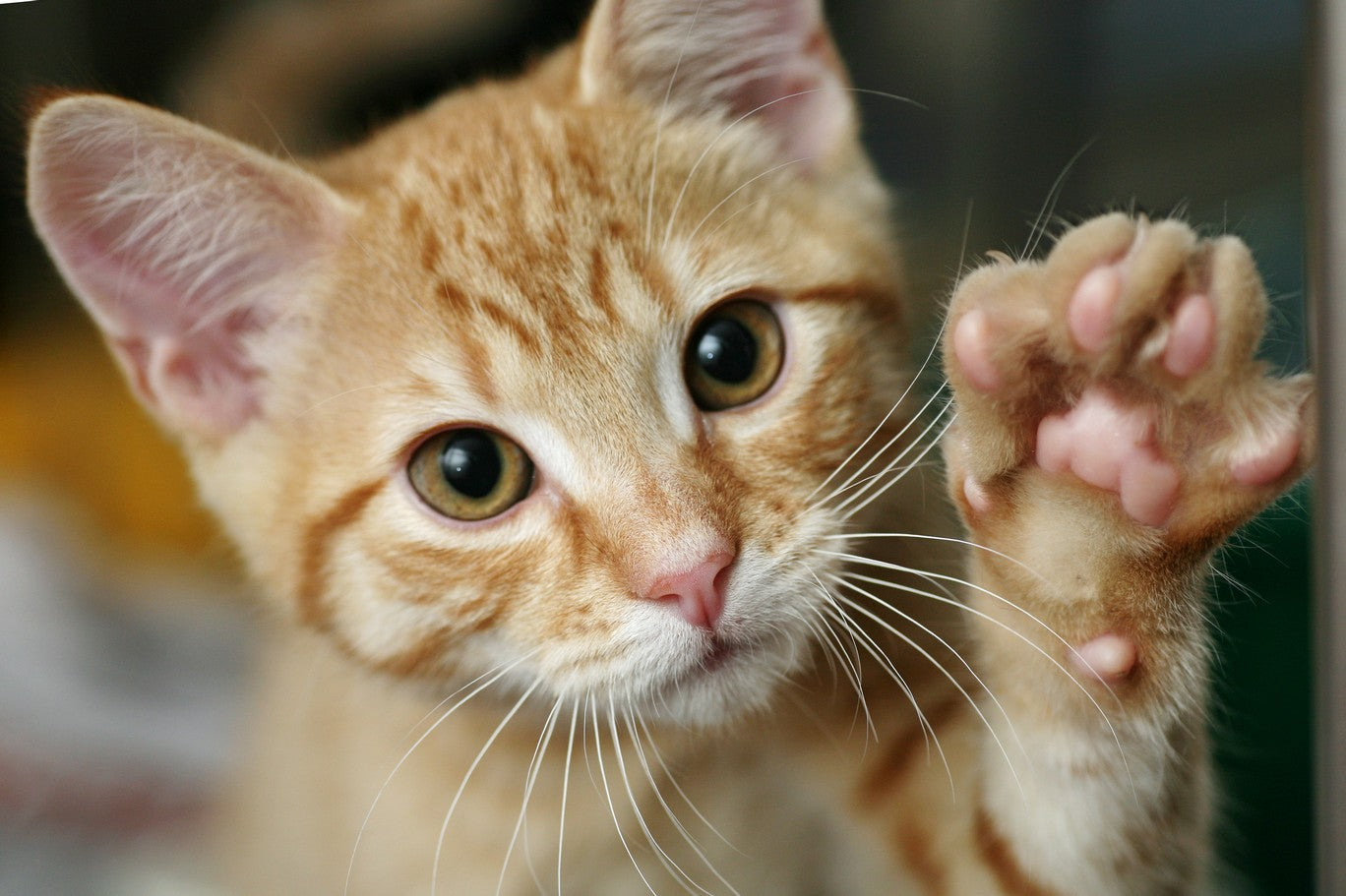
Cats owe much of their agility to their paws. Flexible toes, cushioning pads, and curved claws combine to create a natural toolkit for climbing, balancing, and exploring. These features have served wild and domestic cats for generations, allowing them to move with impressive stealth and precision.
2. Everyday Joy for People
Beyond physical perks, feline paws play a part in human happiness. Gentle head-butts followed by a soft paw tap can lift moods, while quiet purring vibrations felt through the paw offer a calming presence. In short, those little feet often carry big emotional weight.
Paws at Work
1. Multi-Purpose Tools
From kneading a favorite blanket to gripping a narrow fence rail, paws act as versatile instruments. Silent steps help indoor cats patrol at night, while outdoor cats rely on the same structure to sprint, leap, or make quick turns during play.
2. Sensitive Sensors
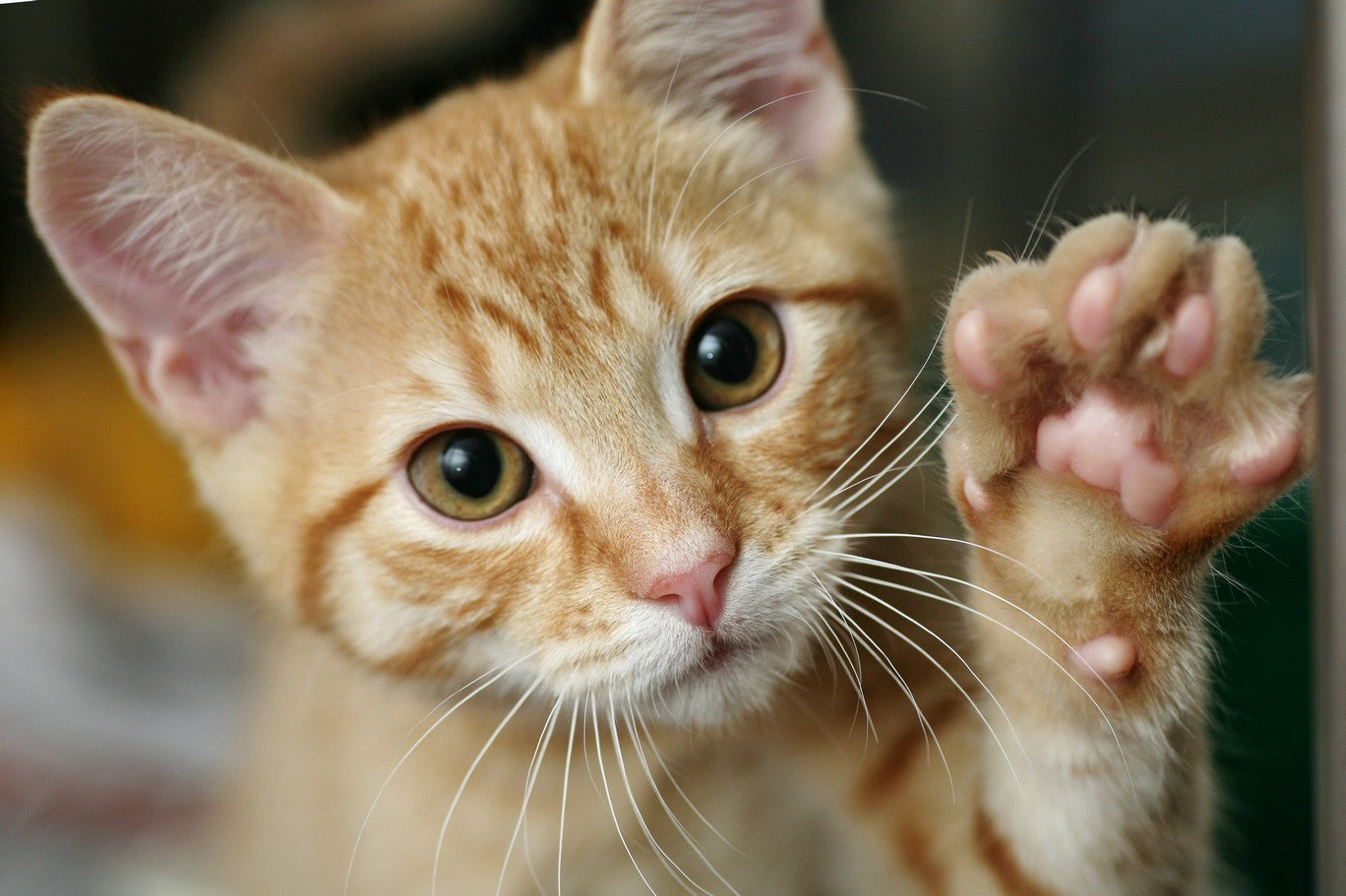
Each paw is packed with nerve endings, turning it into a built-in sensor. Subtle shifts in texture, temperature, or movement are instantly detected, guiding cats through both familiar living rooms and unfamiliar gardens.
Paws in Action
1. Silent Conversations
A gentle paw placed on an outstretched hand can signal affection, whereas a quick tap on another cat may invite play or set boundaries. These quiet gestures form a large part of feline body language, readable by attentive owners.
2. Play and Fitness
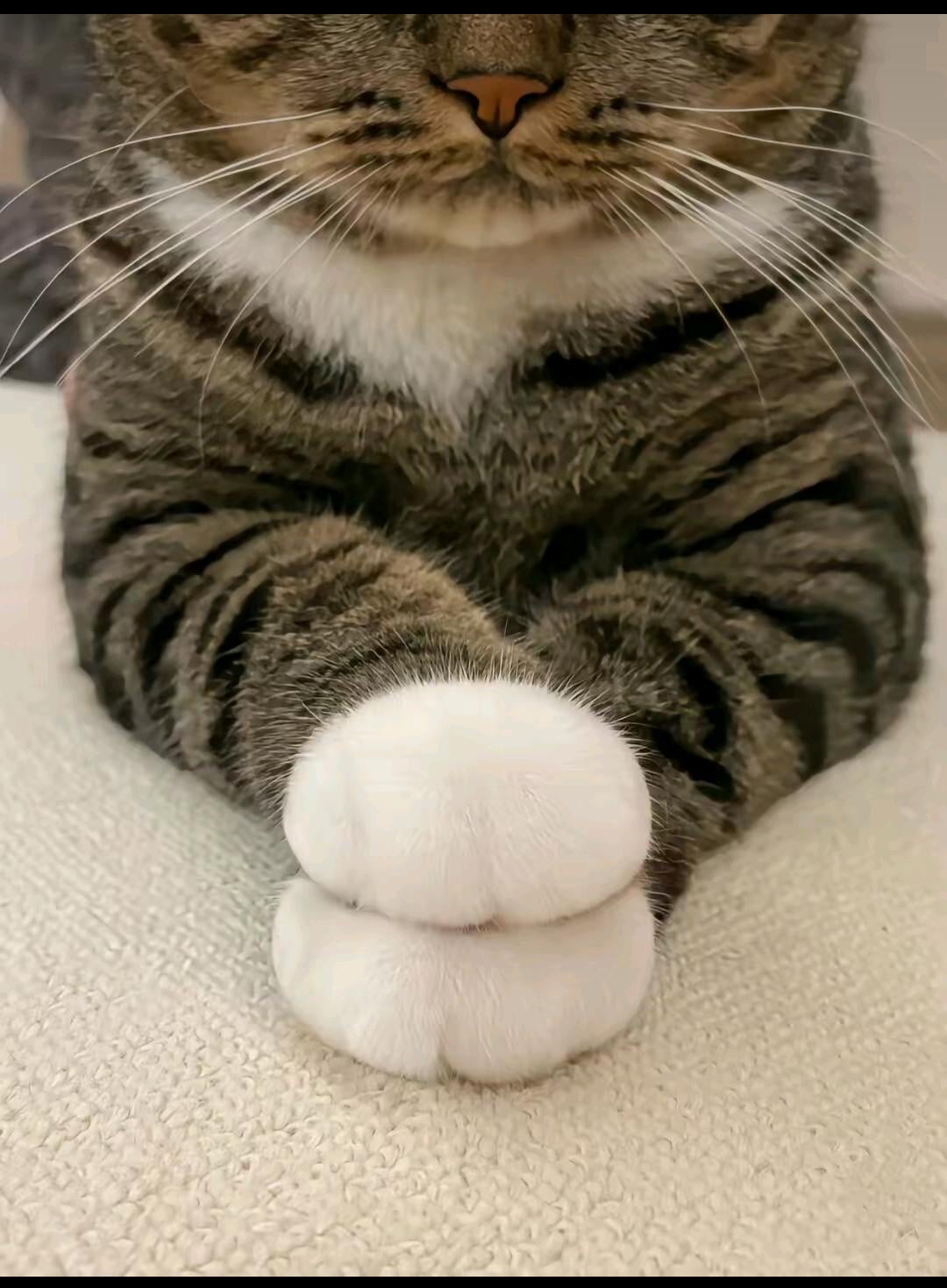
Chasing feather wands or batting at crinkly balls keeps paws busy and bodies agile. Regular play sessions help maintain healthy weight and muscle tone, while also preventing boredom-related behavior issues.
Paws and Pet Parents
1. Wellness Perks
Active paws support overall fitness. Climbing cat trees, scratching posts, or hallway sprints encourage natural movement, aiding joint flexibility and mental alertness.
2. Strengthening Bonds
Interactive games that involve paws—such as treat puzzles or gentle paw shakes—build trust. Positive experiences centered on these activities nurture mutual respect and deepen the human-cat relationship.
Training Through Touch
1. Reward-Based Lessons
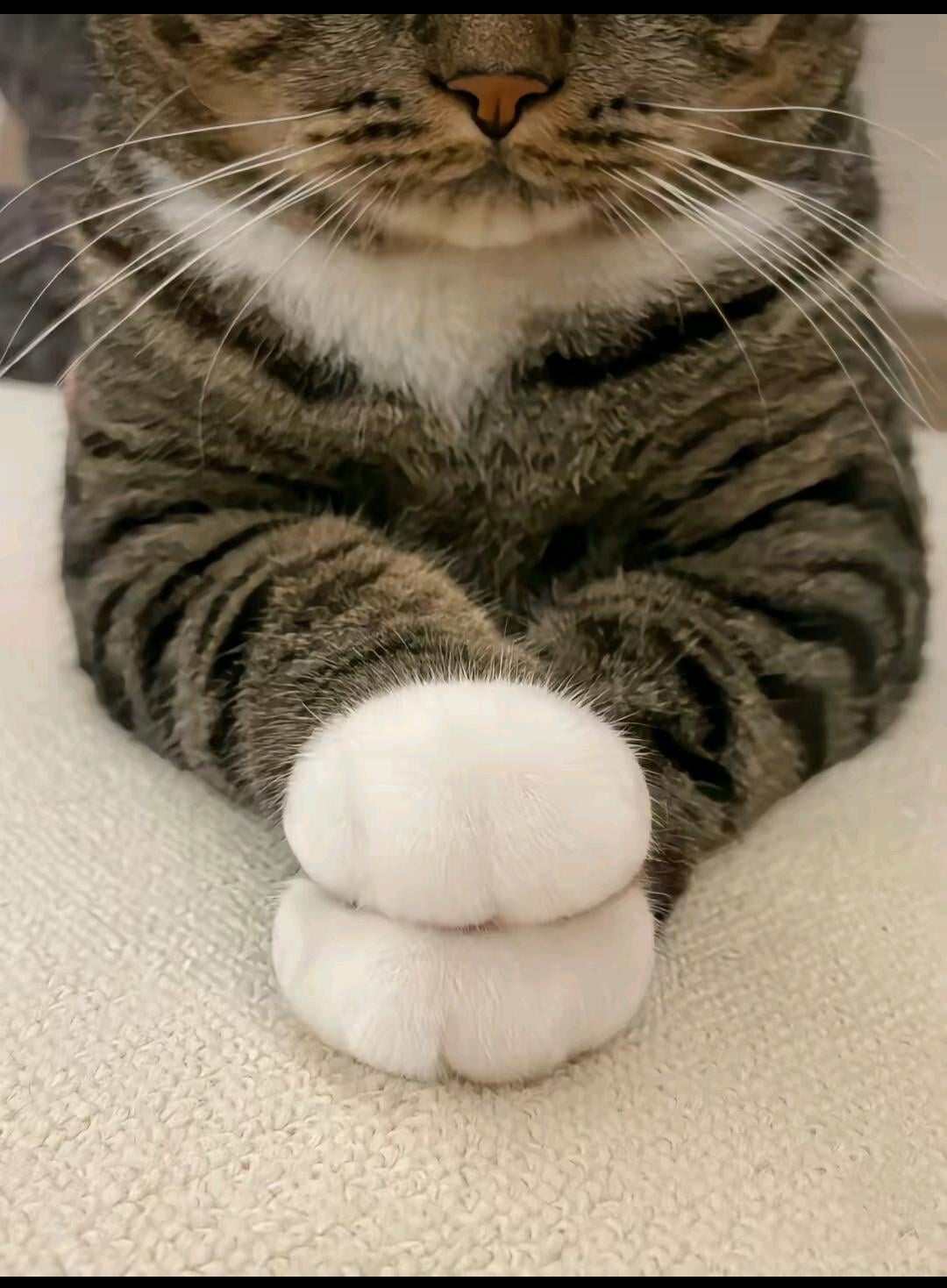
Many cats quickly learn to offer a paw for a treat or to touch a target stick. Short, upbeat sessions paired with soft clicks or verbal praise can teach fun tricks and useful behaviors like entering a carrier on cue.
2. Confidence Building
Gradually introducing new textures, surfaces, or gentle handling of the paws can reduce sensitivity over time. This slow exposure helps nervous cats feel safer during routine care such as nail trims or vet checks.
Conclusion
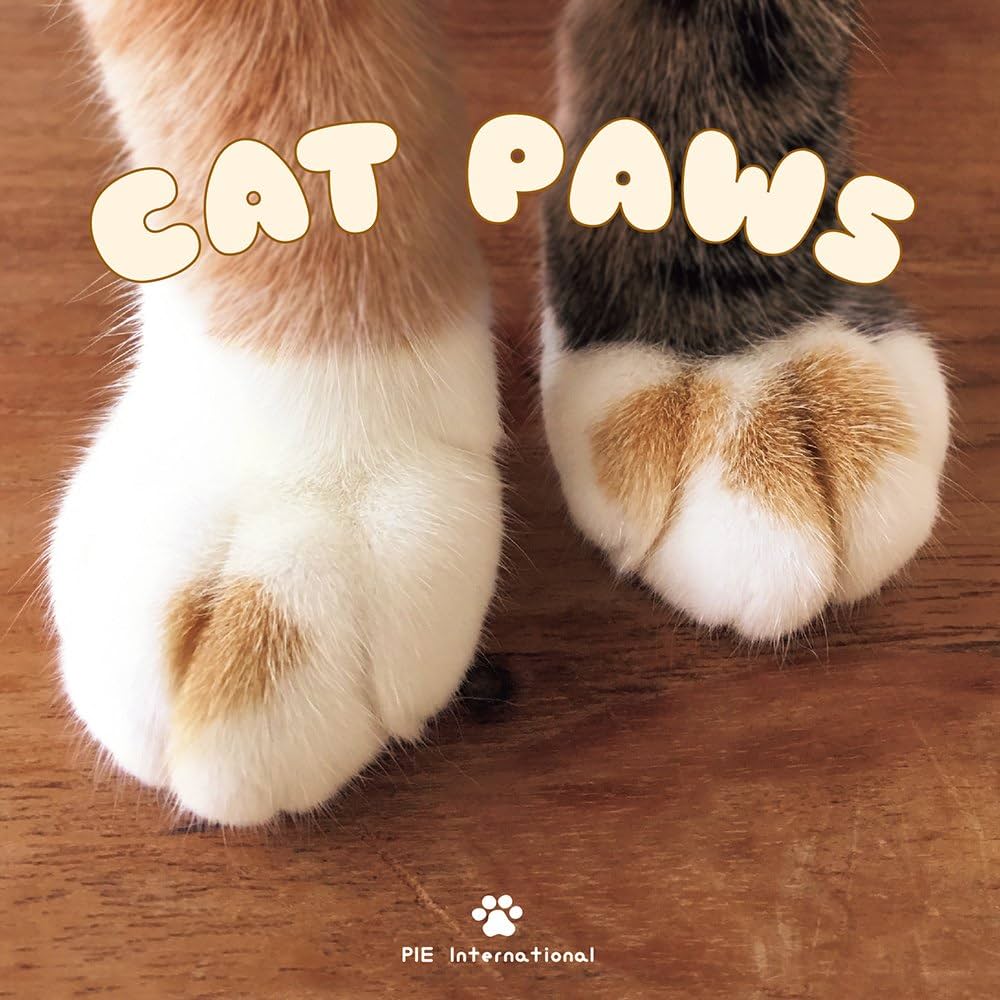
Feline paws are far more than adorable cushions; they are essential to a cat’s balance, communication, and daily delight. Recognizing their many roles enriches the way we care for, play with, and understand our feline friends. By encouraging healthy paw-centric activities and respecting their sensitivity, owners support both physical health and emotional harmony.
What to Explore Next
Interested in learning more? Consider these simple avenues:
1. Observing how your cat’s paw preferences differ during play versus relaxation.
2. Providing varied scratching surfaces to see which textures your cat enjoys most.
3. Practicing brief, gentle paw massages to build trust and check for hidden injuries.
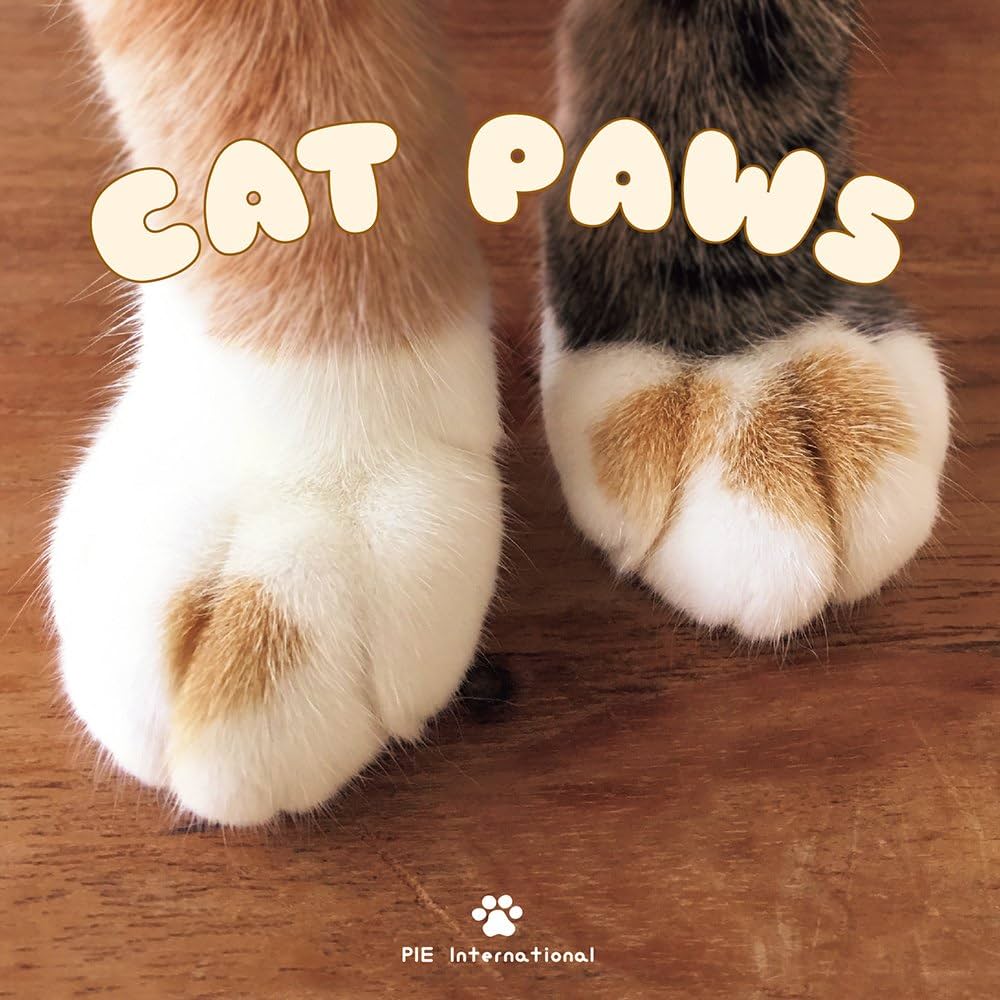
4. Creating obstacle courses that encourage climbing, balancing, and precise paw placement.
Small steps like these can deepen insight into everyday feline life and keep those remarkable paws happy and healthy.


