

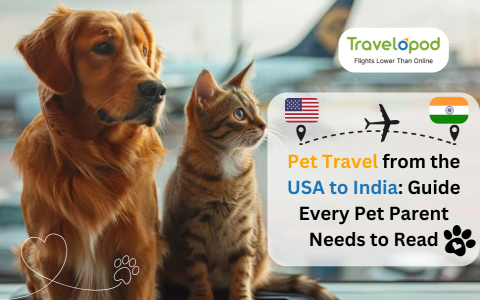
The Rise of Pet Parenting in the USA: A Comprehensive Look at the Movement
Introduction
In recent years, the role of pets in American homes has shifted from companion to family member. “Pet parenting” now describes the everyday reality of millions who shop for organic dog food, celebrate birthdays with paw-print cakes, and schedule playdates at the park. This article explores what pet parenting means, how it is reshaping society, and which initiatives are guiding the trend toward ever more thoughtful care.
The Concept of Pet Parenting
Pet parenting is less about ownership and more about guardianship: providing medical care, emotional support, and daily enrichment much as one would for a child. Surveys repeatedly show that a clear majority of households view their animals as full-fledged family, sharing beds, sofas, and even vacation plans with them.

The Impact of Pet Parenting on Society
The rise of pet parenting has rippled through American life in measurable ways:
Health Benefits
Simple acts such as stroking a cat or walking a dog can lower stress hormones and encourage daily exercise. Community wellness programs now highlight these perks, inviting seniors to foster cats and encouraging office workers to spend breaks with visiting therapy dogs.
Social Benefits
Dog parks, cat cafés, and neighborhood “yappy hours” create casual meeting spots where conversations start effortlessly over wagging tails. These gatherings strengthen local networks and often evolve into volunteer groups that care for strays or build shelter libraries.

Economic Impact
From artisanal treats to smart collars, consumer spending on pets keeps climbing. Grooming salons, mobile vets, and pet-friendly hotels have multiplied, generating jobs and encouraging cities to rethink outdoor spaces with amenities such as hydration stations and waste-bag dispensers.
The Role of Leading Organizations
Several nonprofits and trade groups now champion responsible pet care nationwide:
Educational Programs
Free online courses, library workshops, and school visits teach nutrition basics, reading animal body language, and the importance of spay/neuter. Graduates often share tips within their own circles, amplifying the message organically.

Advocacy
Coalitions lobby for humane transport rules, clearer adoption disclosures, and harsher penalties for neglect. Public-awareness campaigns translate complex ordinances into friendly infographics that circulate on social media.
Community Engagement
Weekend adoption fairs, charity fun-runs, and “clear-the-shelter” events draw crowds, match animals with homes, and collect funds for medical emergencies. Photo contests and pet parades add a lighthearted touch while spreading core messages about lifelong commitment.
Challenges and Solutions
Growth also brings growing pains that require coordinated answers:

Overpopulation
Despite progress, some regions still euthanize healthy animals for lack of space. Low-cost sterilization clinics, transport programs that relocate pets to areas with higher demand, and data-sharing among shelters help balance supply and need.
Pet Abuse
Neglect and cruelty persist, often linked to broader domestic violence. Cross-training for police, veterinarians, and social workers helps spot warning signs early, while confidential hotlines and emergency foster networks offer victims—human and animal—a safe exit.
Conclusion
Pet parenting has moved from niche devotion to mainstream culture, yielding healthier people, livelier neighborhoods, and a robust service sector. Continued collaboration among educators, lawmakers, and everyday guardians will determine whether this positive trajectory keeps climbing.

Recommendations and Future Research
To sustain momentum, stakeholders can:
1. Expand accessible, science-based training that begins in elementary school and continues through senior centers.
2. Deepen ties between municipal shelters, private rescue groups, and transport volunteers to smooth regional imbalances.
3. Push for consistent anti-cruelty statutes and ensure enforcement agencies have resources to investigate complaints without delay.
Researchers should track long-term health outcomes for families who adopt senior or special-needs animals, measure the social-return on pet-inclusive housing policies, and evaluate which message formats most effectively inspire lifelong commitment among first-time owners.

In conclusion, the pet parenting wave shows no sign of ebbing. By pairing affection with accountability, communities can ensure that every whiskered, feathered, or wagging addition enjoys a safe, loving, and permanent home.


