


Pet Choices: A Comprehensive Guide to Making Informed Decisions
Introduction
Bringing an animal companion into your home is a meaningful step that shapes daily life for years to come. The right choice can enrich both human and animal lives, while a mismatch may lead to stress. This guide outlines key points to consider before welcoming a new friend, from species traits to daily responsibilities and the rewards of shared life.
Types of Pets
Dogs

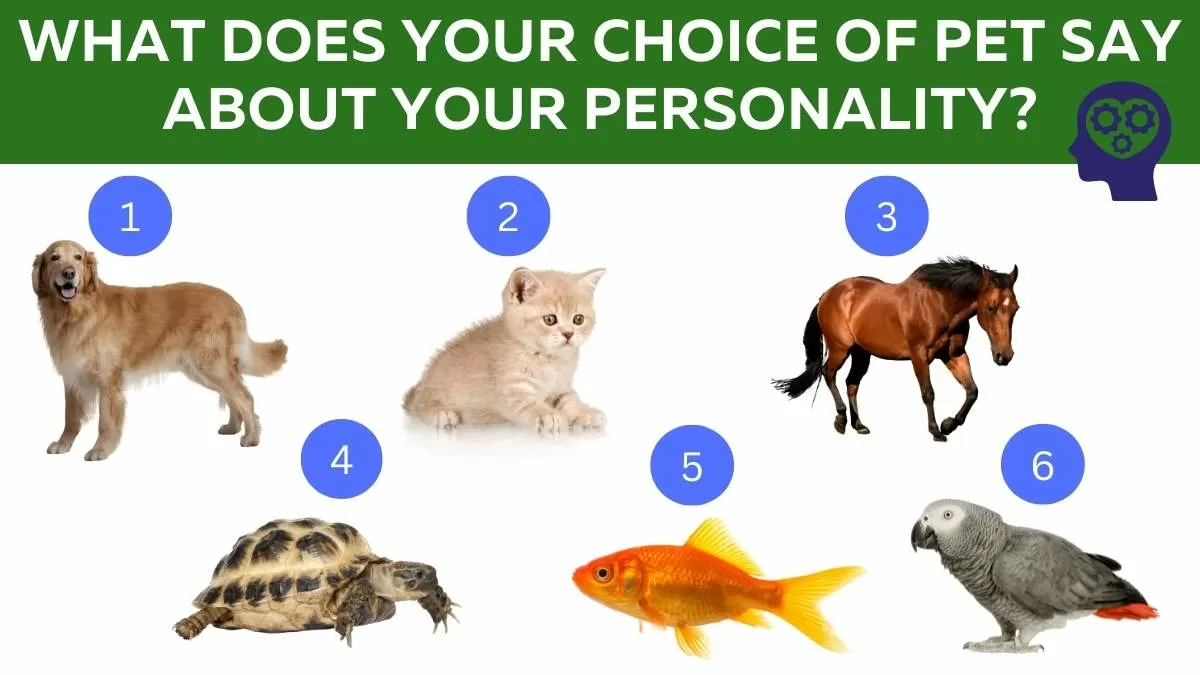
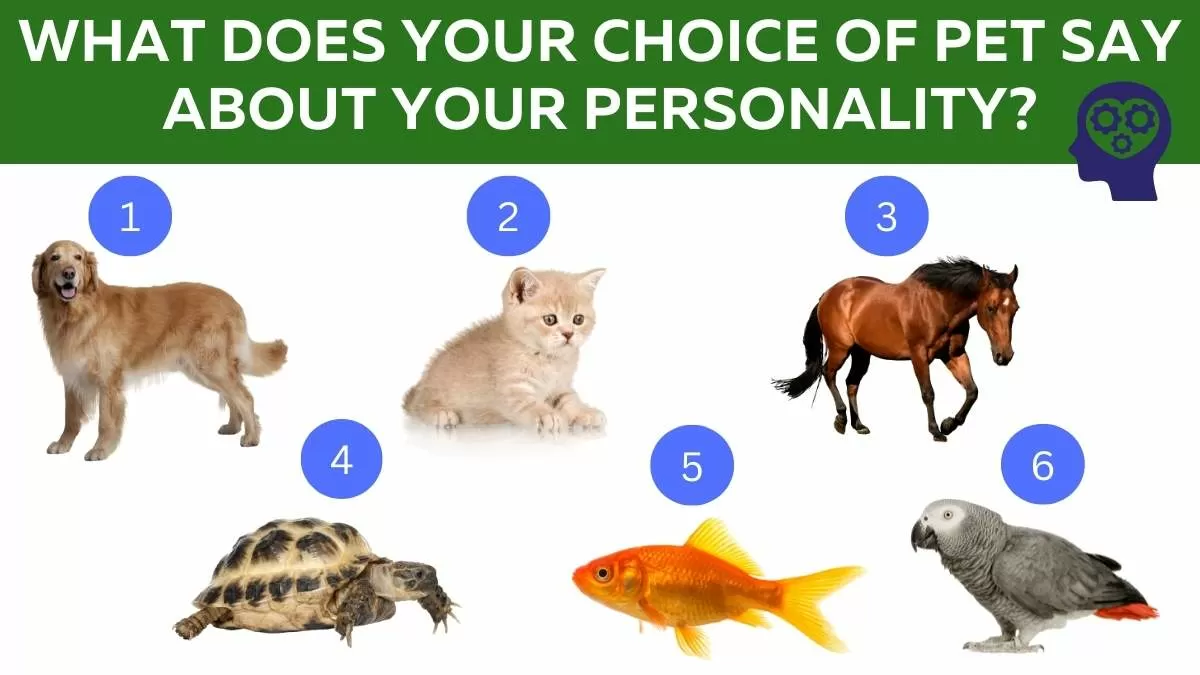
Dogs remain favored for their social nature and willingness to join family activities. Sizes range from tiny companions to energetic athletes, so prospective guardians should weigh exercise needs, grooming demands, and living space before deciding which canine personality fits best.
Cats
Cats offer affection on their own terms and adapt well to indoor life. While generally self-sufficient, they still need play sessions, safe vertical spaces, and routine health checks. Personality varies widely; some thrive on lap time, others prefer quiet observation.
Birds
Parrots, canaries, and finches add color and song to a household, yet they require spacious cages, daily out-of-cage time, and mental puzzles to prevent boredom. A balanced diet and regular social interaction are essential for feather health and trust.
Small Mammals

Rabbits, guinea pigs, hamsters, and gerbils suit homes with limited square footage. Each species has distinct housing, temperature, and dietary needs; gentle handling and supervised exercise outside the enclosure keep them fit and friendly.
Fish
Aquariums create a calming focal point. Success depends on stable water chemistry, appropriate tank size, and compatible species. Regular partial water changes and filter upkeep prevent common health issues and keep the display vibrant.
Care Requirements
Physical Care
All companions need fresh food, clean water, and species-appropriate shelter. Dogs benefit from daily walks and nail trims; cats appreciate litter-box privacy and brushing; birds need cage cleaning and wing-clipping decisions; small mammals require bedding changes; fish depend on consistent temperature and pH levels.
Emotional and Psychological Care
Beyond the basics, animals crave stimulation and security. Rotate toys, teach simple tricks, and offer predictable routines. Positive reinforcement strengthens bonds and reduces anxiety for everyone involved.
Emotional and Psychological Benefits
Stress Reduction
Quiet moments spent stroking fur or watching fish glide can lower heart rate and ease tension after a hectic day. The steady presence of a companion often provides comfort during life’s ups and downs.
Improved Physical Health
Daily dog walks encourage owners to stay active, while playful cats inspire stretching and laughter. Establishing feeding and exercise schedules can promote healthier habits for the entire household.
Social Benefits
Pets act as natural ice-breakers during neighborhood strolls or vet visits, sparking conversations that might not happen otherwise. Shared stories and tips create community connections among animal lovers.
Conclusion
Choosing a companion is less about impulse and more about matching lifestyle, space, and time commitments with an animal’s needs. Thoughtful preparation leads to mutual happiness, fewer behavior problems, and a rewarding partnership that can last many years.
Recommendations and Future Research

Continued learning will refine the human-animal bond. Valuable areas to explore include:
1. Long-term health outcomes for owners of different species.
2. Innovative enrichment tools that support mental well-being in confined environments.
3. The role of gentle animal interaction in nurturing empathy and responsibility among young family members.
By exploring these topics, caregivers can keep improving quality of life for both themselves and their cherished companions.


