French Bulldog Puppies: A Friendly Guide
Introduction
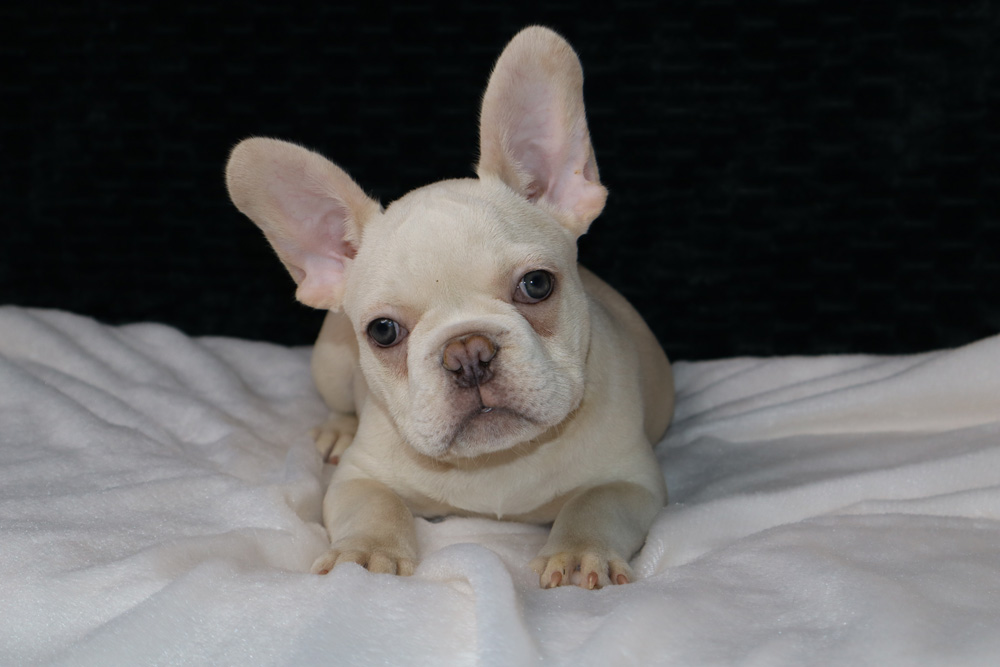
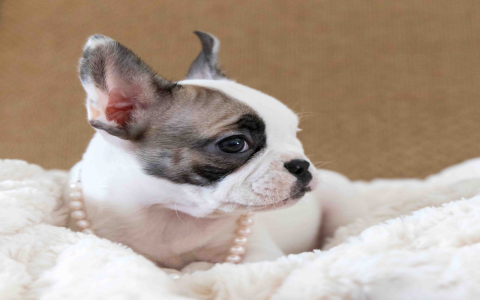
French Bulldogs, loved for their playful spirit and compact size, have become one of the most sought-after companion breeds. Their adaptable nature makes them equally happy in city apartments or suburban homes. This guide outlines what to expect when welcoming a French Bulldog puppy, from breed traits to everyday care.
History of French Bulldogs
The breed emerged in the 1800s when toy-sized English Bulldogs crossed the Channel and mingled with local French ratters. Lace workers adored the little dogs, and soon travelers carried them across the Atlantic. Today, their bat-shaped ears and affectionate hearts charm families worldwide.
Characteristics of French Bulldog Puppies
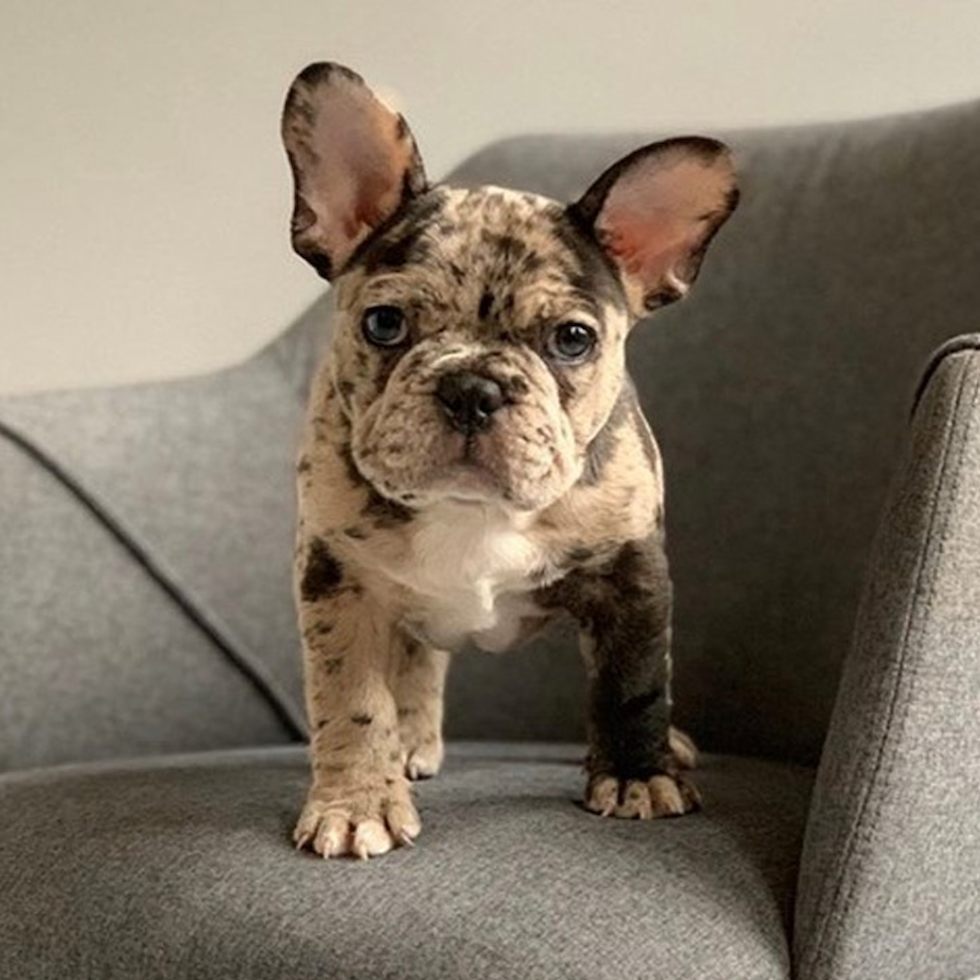
French Bulldog puppies are known for their distinctive features, including:
–
Small and stocky build
–
Short, smooth coat
–
Large, round eyes
–
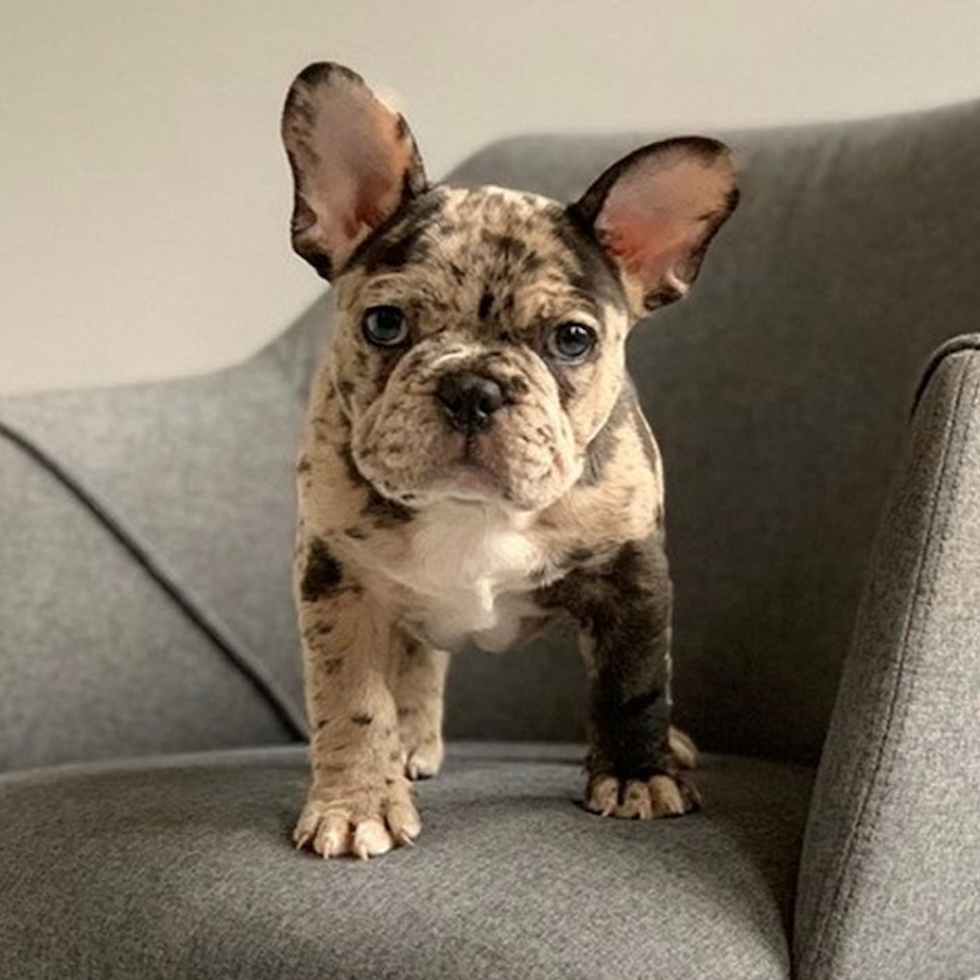
Short, flat muzzles
–
Low-slung ears
These characteristics make them ideal companions for families and individuals looking for a small, affectionate dog with a friendly disposition.
Adoption Process for French Bulldog Puppies
Bringing home a healthy puppy involves a few clear steps:
1.
Research reputable breeders or shelters
Look for sources that health-test parents, raise pups indoors, and welcome questions. A transparent environment is the first sign of responsible care.

2.
Visit the breeder or shelter
Meeting the litter in person lets you observe energy levels, check for clear eyes and clean coats, and interact with the mother to gauge temperament.
3.
Understand the adoption process
Expect an application, a friendly interview, and proof that your living space is safe for a small dog. Some organizations also schedule a follow-up visit.
4.
Prepare for the adoption
Stock up on age-appropriate food, a snug crate, soft bedding, chew toys, and a harness that fits a flat-faced breed.

Care Requirements for French Bulldog Puppies
Caring for a French Bulldog puppy requires attention to their unique needs:
–
Regular veterinary care
Schedule vaccinations, parasite control, and annual exams. Discuss breathing, skin-fold care, and weight management at each visit.
–
Appropriate diet
Offer a balanced small-breed formula divided into three meals a day to avoid hypoglycemia and prevent obesity.

–
Regular exercise
Two brisk fifteen-minute walks plus indoor play keep muscles toned. Avoid midday heat; opt for dawn or dusk outings and provide cool water.
–
Training and socialization
Use positive-reinforcement sessions of five minutes to teach sit, come, and leash manners. Introduce new sights, sounds, and friendly people early.
Health Concerns and Genetic Disorders
French Bulldogs are prone to several health concerns and genetic disorders, including:
–
Brachycephalic syndrome
Narrow nostrils and elongated soft palate can cause snorting or labored breathing. Keep your puppy calm in warm weather and maintain a healthy weight.
–
Hip dysplasia
Though more common in larger breeds, screening parents reduces risk. Joint supplements and controlled exercise support long-term mobility.
–
Patellar luxation
A slipping kneecap may produce an occasional skip in the step. Early vet detection and gentle exercise help manage mild cases.

Choosing a puppy from health-tested parents and staying alert to early symptoms give your companion the best start in life.
Conclusion
French Bulldog puppies bring laughter and loyalty to any household. By learning about their background, selecting a responsible source, and meeting their daily needs, you create a safe, loving home for a small dog with a big heart.
Recommendations and Future Research
To further improve the lives of French Bulldog puppies, the following recommendations are made:
–

Support local breeders and shelters
Patronize organizations that invest in health testing, early socialization, and lifelong take-back policies.
–
Advocate for responsible ownership
Share resources on exercise limits, temperature safety, and weight control to prevent common avoidable issues.
–
Conduct research on genetic disorders
Encourage ongoing studies into breathing, joint, and skin conditions to refine breeding guidelines and extend healthy lifespans.
By following these recommendations and conducting further research, we can ensure that French Bulldog puppies continue to thrive and bring joy to their owners.