
The Impact of a Community Dog Rescue on Animal Welfare
Introduction
Animal welfare has become a significant concern in recent years, with numerous organizations working tirelessly to improve the lives of animals. One such group is a volunteer-run dog-rescue initiative that has made a remarkable difference for dogs in need. This article explores the role of this grassroots program in animal welfare, offering insights into its operations, achievements, and the broader implications of its work.
The Mission of the Rescue
The rescue is a non-profit effort dedicated to saving, rehabilitating, and rehoming dogs. It operates on the belief that every dog deserves a loving home and a chance to thrive. By providing shelter, medical care, and training, the team aims to improve dogs’ lives and reduce the number of animals in shelters.

How the Rescue Works
The program relies on a network of volunteers and foster homes. Dogs arrive from shelters, municipal facilities, or families who can no longer care for them. Each animal is evaluated for health and behavior, then receives any necessary treatment or training to prepare for adoption.
Core activities include:
– Medical Care: All dogs receive vaccinations, spay/neuter services, and treatment for illnesses or injuries.
– Behavioral Training: Volunteers use positive-reinforcement techniques to build confidence and good manners, making dogs more adoptable.
– Foster Care: Temporary homes give dogs a calm environment to heal and learn house manners while awaiting adoption.

– Adoption Events: Weekend meet-and-greets help prospective families find the right companion and learn about responsible pet care.
Achievements So Far
Since its founding, the rescue has helped hundreds of dogs move from risk to refuge. Key accomplishments include:
– Lower Shelter Intake: By accepting transfers and strays, the group eases pressure on overcrowded facilities.
– Healthier Dogs: Routine vet care and enrichment activities have improved overall well-being and adoption rates.
– Public Education: Outreach events emphasize spaying, neutering, and lifetime commitment, reducing future abandonment.
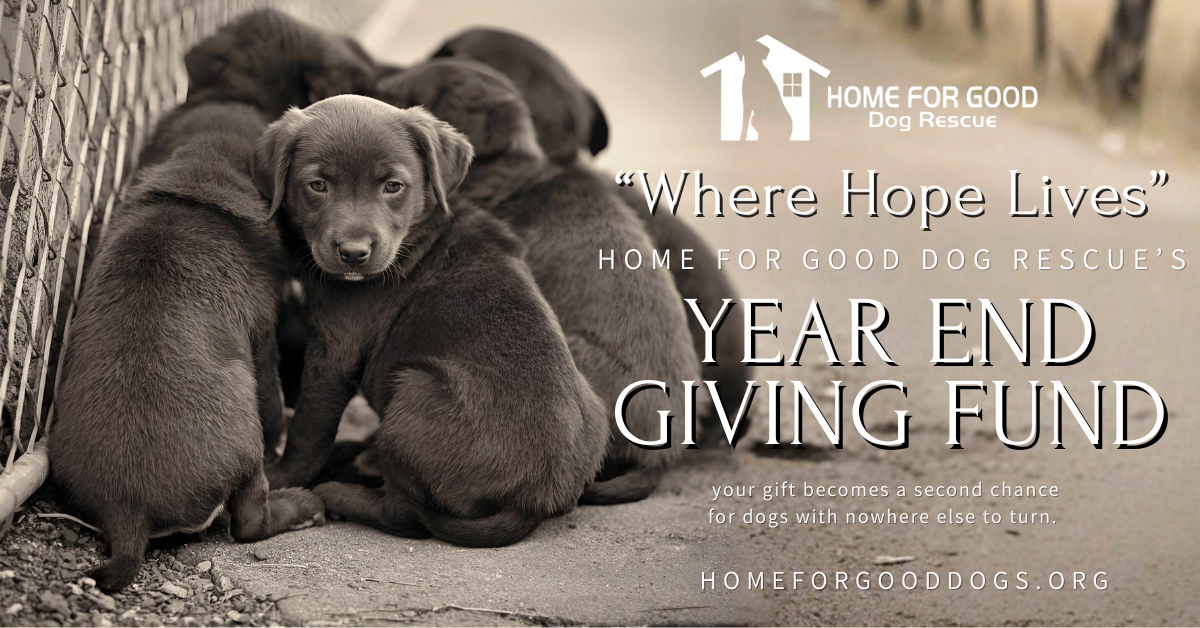
Wider Influence on Animal Welfare
Beyond individual adoptions, the rescue’s model shows how coordinated volunteer action can create lasting change. Other regions have copied its foster-based approach, and local vets now offer discounted services, amplifying community-wide compassion for animals.
The Power of Community Support
Donations, foster families, and weekend volunteers keep the program alive. Every blanket donated or hour spent walking dogs translates directly into lives saved, proving that collective small efforts yield big results.
Challenges and Next Steps
Like any nonprofit, the rescue faces funding limits and steady intake. Future plans include:
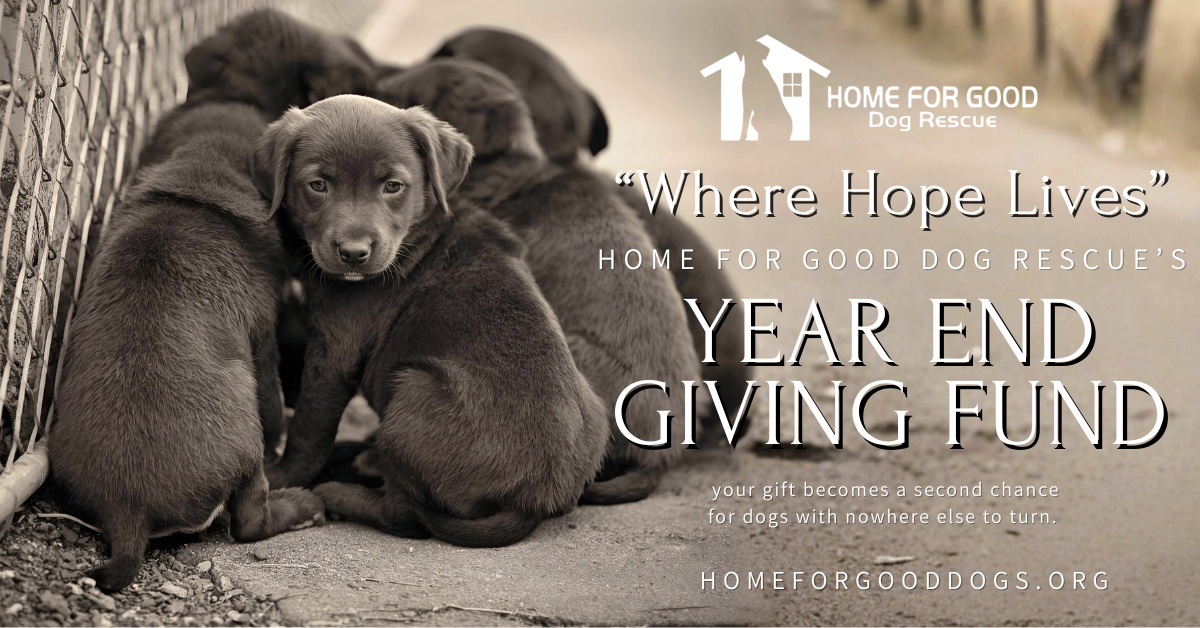
– Expanded Reach: Adding programs for cats and small animals in response to community need.
– Partnerships: Teaming up with training schools and businesses to secure grants and resources.
– Advocacy: Promoting adoption and humane education in schools to shape the next generation of pet owners.
Conclusion
This volunteer-driven rescue has already transformed countless canine lives through compassion and cooperation. As it grows, its ripple effect will continue to inspire neighbors, policymakers, and new adopters to choose kindness—one dog at a time.
The story reminds us that animal welfare improves when ordinary people step up. By supporting local rescue efforts, we help ensure that every dog finds a safe, permanent home.