The Significance and Challenges of Rescue Operations: A Broad Overview
Introduction
Rescue operations—actions taken to save lives and reduce harm—are a universal human priority that unfold in many settings, from sudden natural events to complex humanitarian crises. This overview explores why such efforts matter, the obstacles teams face, and the approaches that improve outcomes. Drawing on field experience, academic insights, and technological trends, it highlights the intricate balance between urgency, resources, and coordination.
The Importance of Rescue Operations
1.1 Preserving Life and Alleviating Distress
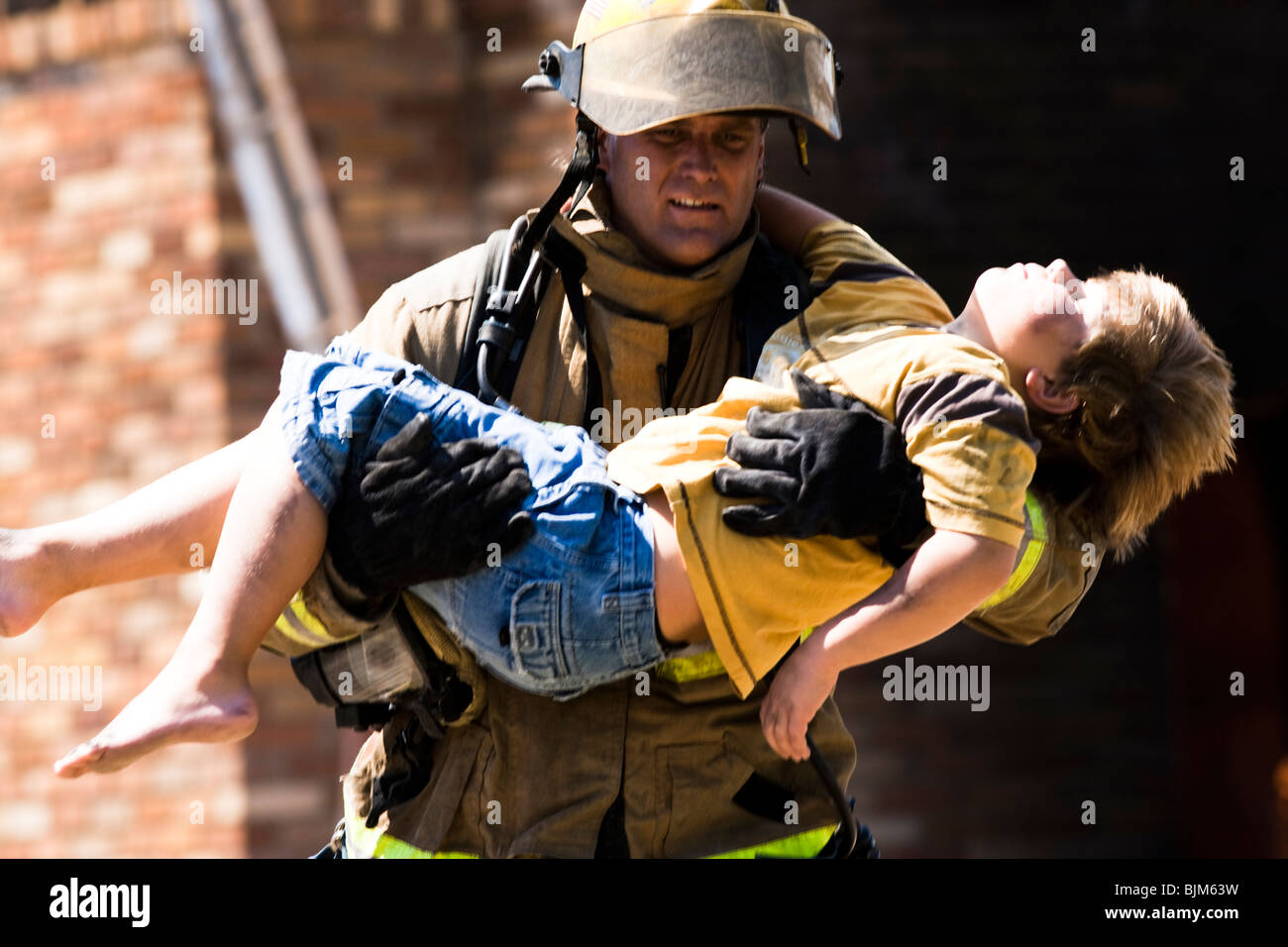
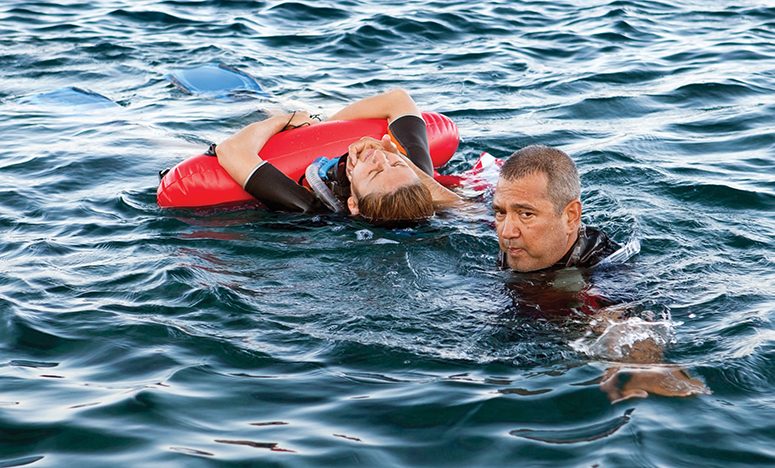
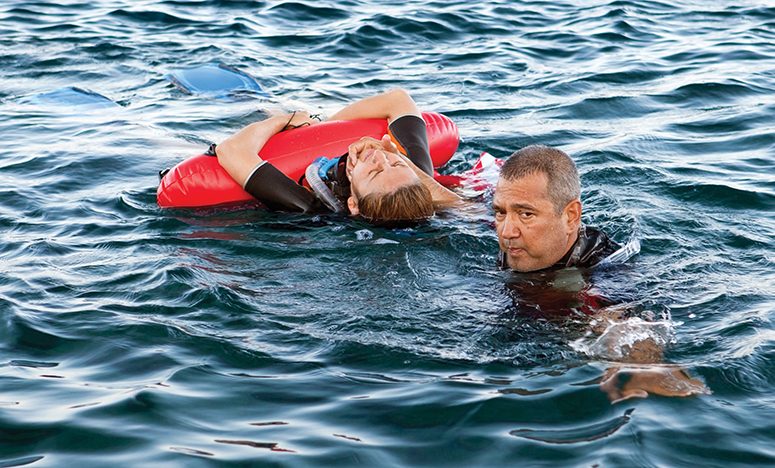
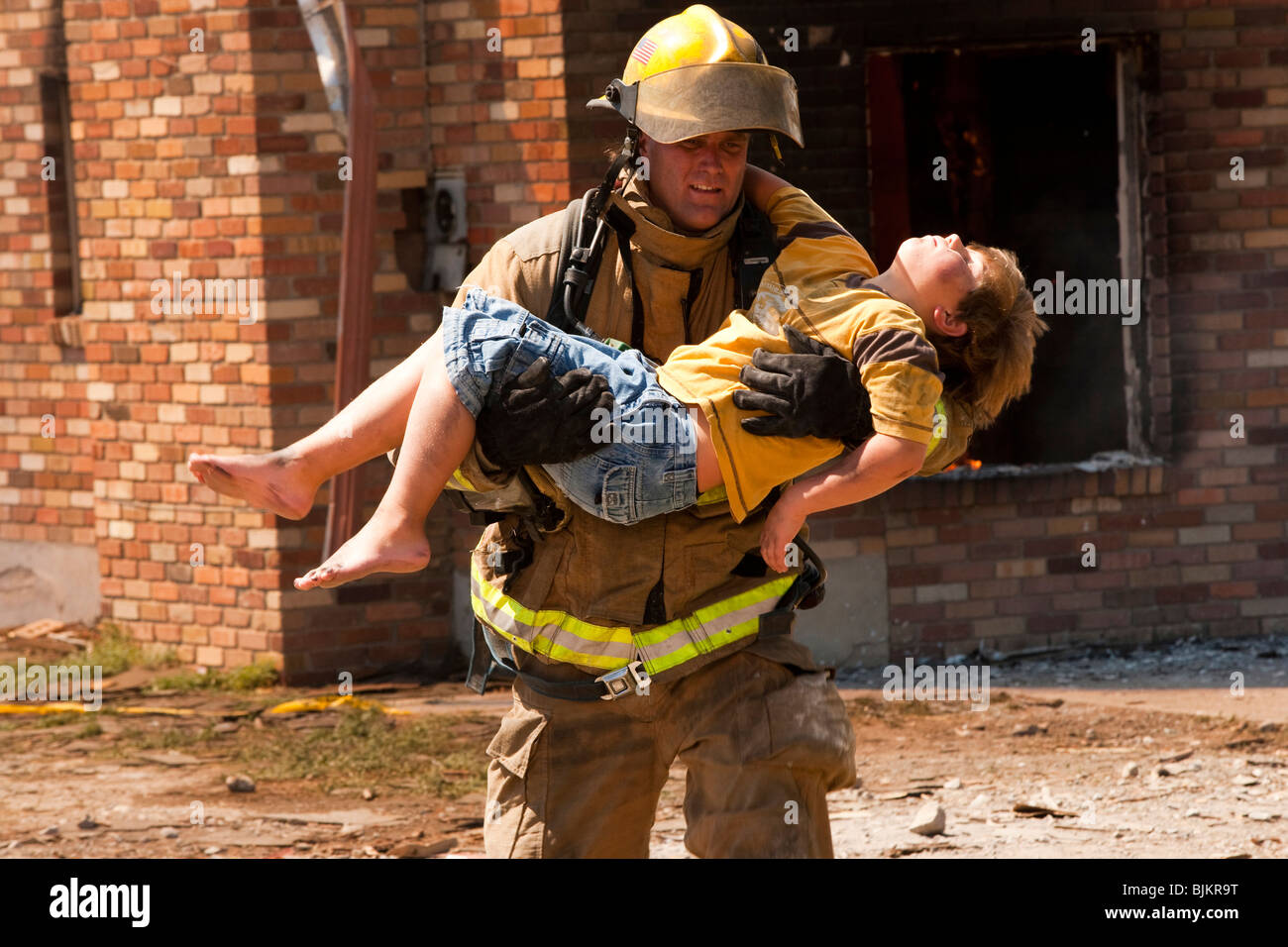
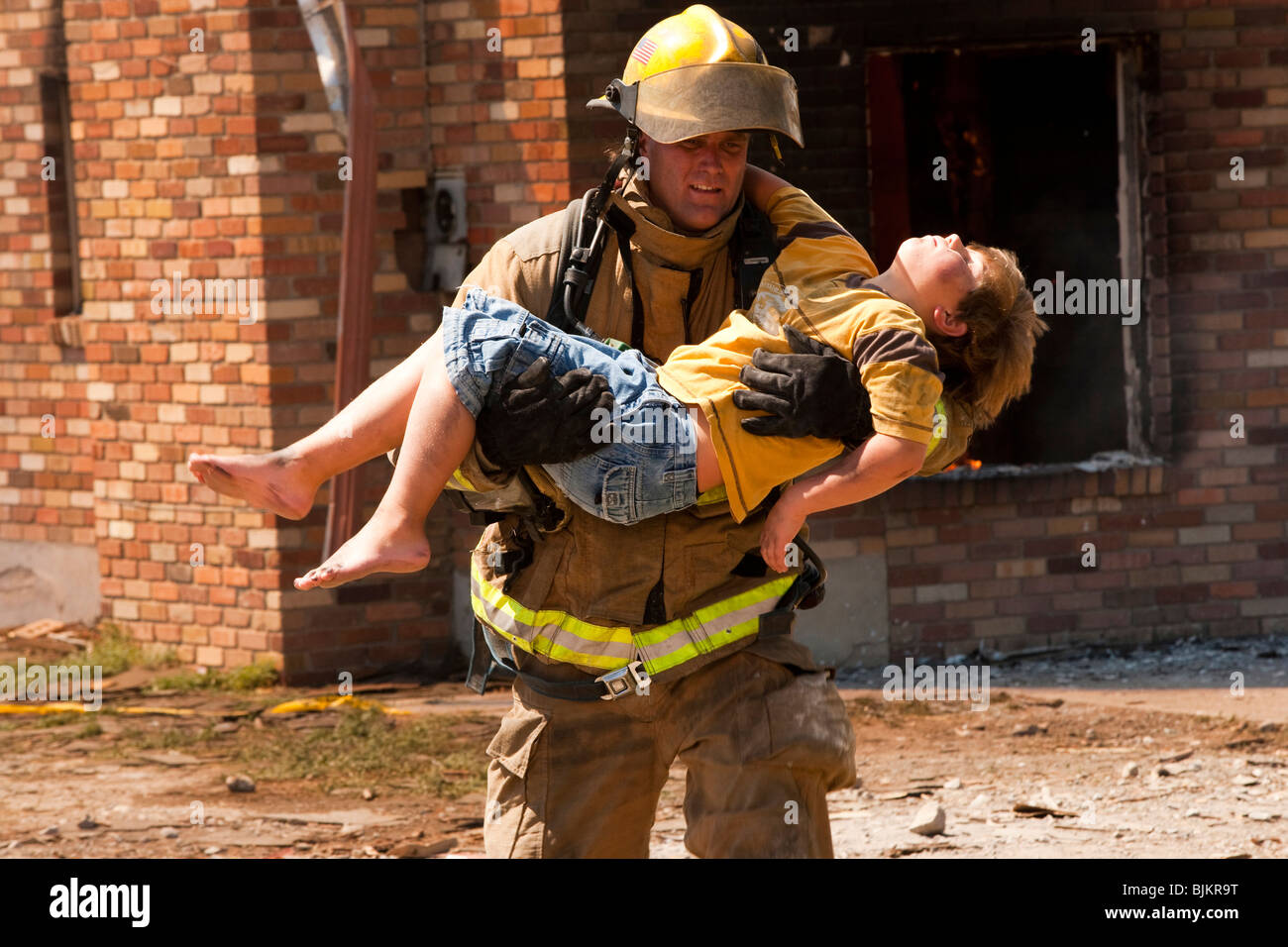
The central goal of any rescue is to protect life and ease suffering. When earthquakes, floods, or fires strike, rapid intervention can drastically lower fatalities and limit long-term trauma. Quick action by trained teams has repeatedly turned potential tragedies into stories of survival.
1.2 Rebuilding Daily Life
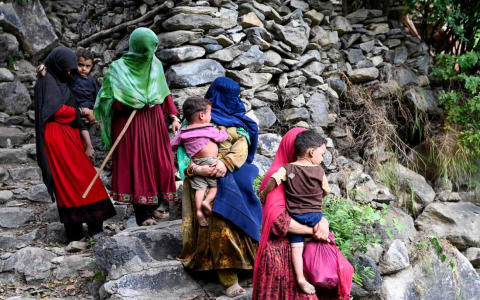
Beyond immediate safety, rescue work helps communities regain stability. Providing shelter, medical care, and psychological support in the first hours and days sets the stage for recovery and strengthens social resilience over time.
Challenges in Rescue Operations
2.1 Racing Against Time
Speed is often the critical factor. The first 72 hours after a sudden-onset disaster are usually decisive; delays can sharply reduce the chances of finding survivors. Effective teams rehearse rapid-deployment procedures long before an emergency occurs.
2.2 Resource Limitations
Even well-prepared agencies can encounter shortages of personnel, equipment, or funding. Remote locations, damaged infrastructure, and competing global events can all stretch available assets to their limits.
2.3 Communication Hurdles
Downed networks, language differences, and unclear command structures can slow coordination. Establishing redundant communication channels—satellite phones, portable repeaters, and standardized terminology—helps keep information flowing under stress.
Strategies for Effective Rescue Operations
3.1 Advance Planning and Continuous Training
Regular drills, hazard mapping, and community education create a shared playbook that speeds up real-time decisions. When everyone understands roles and protocols, precious minutes are saved during actual incidents.
3.2 Cross-Border Cooperation
Disasters rarely respect national boundaries. Mutual-aid agreements, joint exercises, and shared stockpiles allow neighboring countries or regions to pool expertise and equipment, multiplying collective capacity.
3.3 Leveraging Technology and Innovation
From drones that scan collapsed buildings to smartphone apps that crowd-map damaged roads, new tools extend the reach and safety of responders. Open-source data and real-time analytics further sharpen situational awareness.
Case Studies and Illustrative Examples
4.1 A Major Earthquake in South America
When a powerful quake struck near a densely populated coastal area, pre-positioned rescue units and international partners worked side by side. Coordinated search dogs, acoustic detectors, and around-the-clock shifts led to the safe extraction of hundreds trapped in reinforced-concrete structures.
4.2 A Combined Earthquake and Tsunami Event in the Pacific
Faced with cascading hazards—shaking, sea surge, and nuclear concerns—responders combined military airlift, civilian volunteers, and satellite imagery to prioritize evacuation and deliver aid. The operation underscored the value of multi-agency command posts and transparent public messaging.
Conclusion
Rescue operations sit at the heart of humanitarian action, demanding foresight, adaptability, and cooperation. While the core objective—saving lives—remains constant, the methods must evolve with technology, climate patterns, and societal change. Continued investment in training, cross-border partnerships, and innovation will determine how effectively the global community can meet the next emergency.
Recommendations and Future Directions
To strengthen rescue outcomes, stakeholders can focus on the following priorities:
1. Expand joint training programs and share lessons learned across agencies and nations.
2. Fund research into lightweight, robust technologies suited for harsh environments.
3. Integrate community volunteers into formal response frameworks, ensuring a two-way flow of local knowledge and external support.
Future inquiries could explore:
1. How shifting climate trends alter disaster frequency and intensity.
2. Which coordination models best balance speed and safety across diverse cultural settings.
3. How artificial intelligence and predictive analytics can refine resource deployment before disasters strike.
By pursuing these steps, the field of rescue operations can continue to save more lives and nurture swifter, more inclusive recovery for those affected.