

The Impact of Local Pet Adoption Networks on Animal Welfare
Introduction
Across many cities, community-based pet adoption networks have become vital bridges between homeless animals and caring families. Born from grassroots efforts in the mid-nineties, these platforms now guide millions of successful adoptions each year. This article examines how one such network—serving a mid-sized college town—has reduced stray populations, encouraged responsible guardianship, and strengthened neighborhood spirit.
The Role of Adoption Networks in Reducing Stray Animals
A central mission of any reputable adoption program is to keep animals off the streets. By showcasing adoptable pets online and at weekend meet-ups, the network shortens shelter stays and lowers euthanasia rates. Sterile surgery vouchers, foster homes, and transport relays further curb unplanned litters, steadily shrinking the number of roaming cats and dogs.

Promoting Responsible Pet Ownership
Workshops on nutrition, training, and preventive care equip new guardians with the skills pets need to thrive. Volunteers emphasize timely spay or neuter surgery, explaining how the procedure prevents surplus births and certain medical risks. Clear adoption contracts and post-adoption check-ins reinforce lifelong commitment, reducing returns and abandonment.
Fostering Community Engagement
Adoption fairs, dog-wash fundraisers, and school visits turn strangers into teammates united by compassion. Local cafés host “yappy hours,” breweries sponsor kennel renovations, and civic clubs donate supplies, weaving animal welfare into the social fabric. These joint efforts cultivate a culture in which kindness to creatures is simply part of neighborhood life.
The Impact on Adoption Rates
Since the network’s launch, municipal data show a steady climb in successful adoptions, while average shelter length of stay has fallen. User-friendly search filters—size, energy level, kid-friendly—help families identify ideal matches quickly, converting casual browsers into permanent homes.

Conclusion
By combining technology, education, and old-fashioned neighborliness, the local adoption network has transformed the region’s approach to homeless pets. Continued support for its volunteer-driven events, medical clinics, and awareness campaigns will keep tails wagging and shelters emptier for years to come.
Recommendations and Future Research
To extend these benefits, stakeholders can:
1. Introduce humane-education modules in elementary curricula, nurturing empathy early.
2. Negotiate mobile clinic partnerships that deliver low-cost sterilization to underserved blocks.
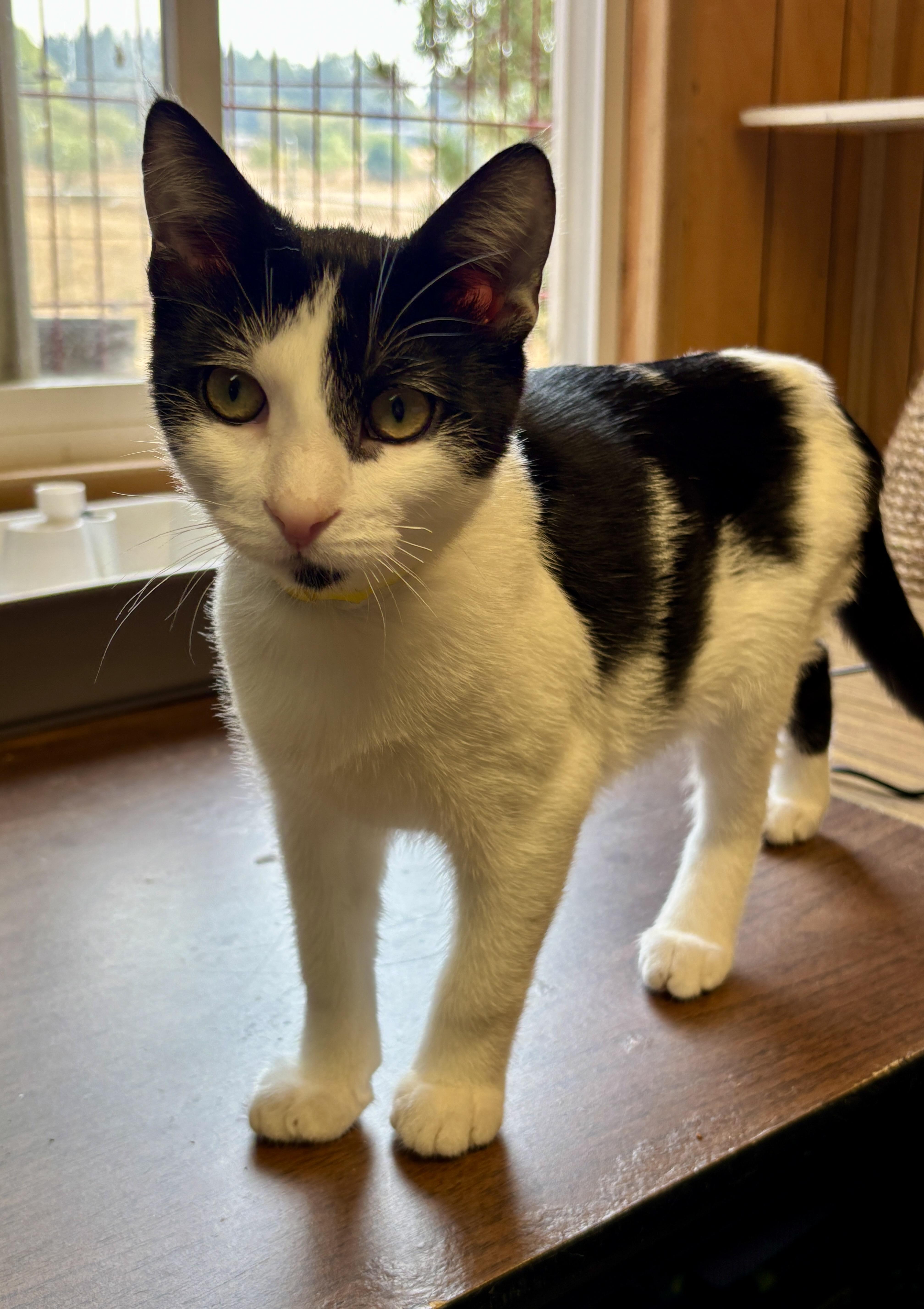
3. Amplify success stories on social channels, inspiring adoptions beyond city limits.
Longitudinal studies comparing regions with and without robust adoption networks could quantify best practices, while surveys of adopters can refine matching algorithms and after-care services, ensuring every pet enjoys a safe, loving home.

