


The Impact of Rehomed Dogs on Society and Their New Owners
Introduction
Adopting dogs from shelters has become increasingly popular as more people look for compassionate ways to welcome pets into their lives. This movement gives countless dogs a fresh start while creating positive ripple effects for families and neighborhoods. The following overview examines how these adopted companions influence society, the obstacles they sometimes bring, and the rewards they offer once settled in loving homes.
The Rise of Rehomed Dogs
The Growing Number of Dogs in Shelters
Shelters across the country continue to receive large numbers of dogs for a variety of reasons, including accidental litters, changes in household circumstances, and financial hardship. Although many dogs find new homes each year, the steady influx highlights the ongoing need for adoption and responsible guardianship.
Adoption as a Solution
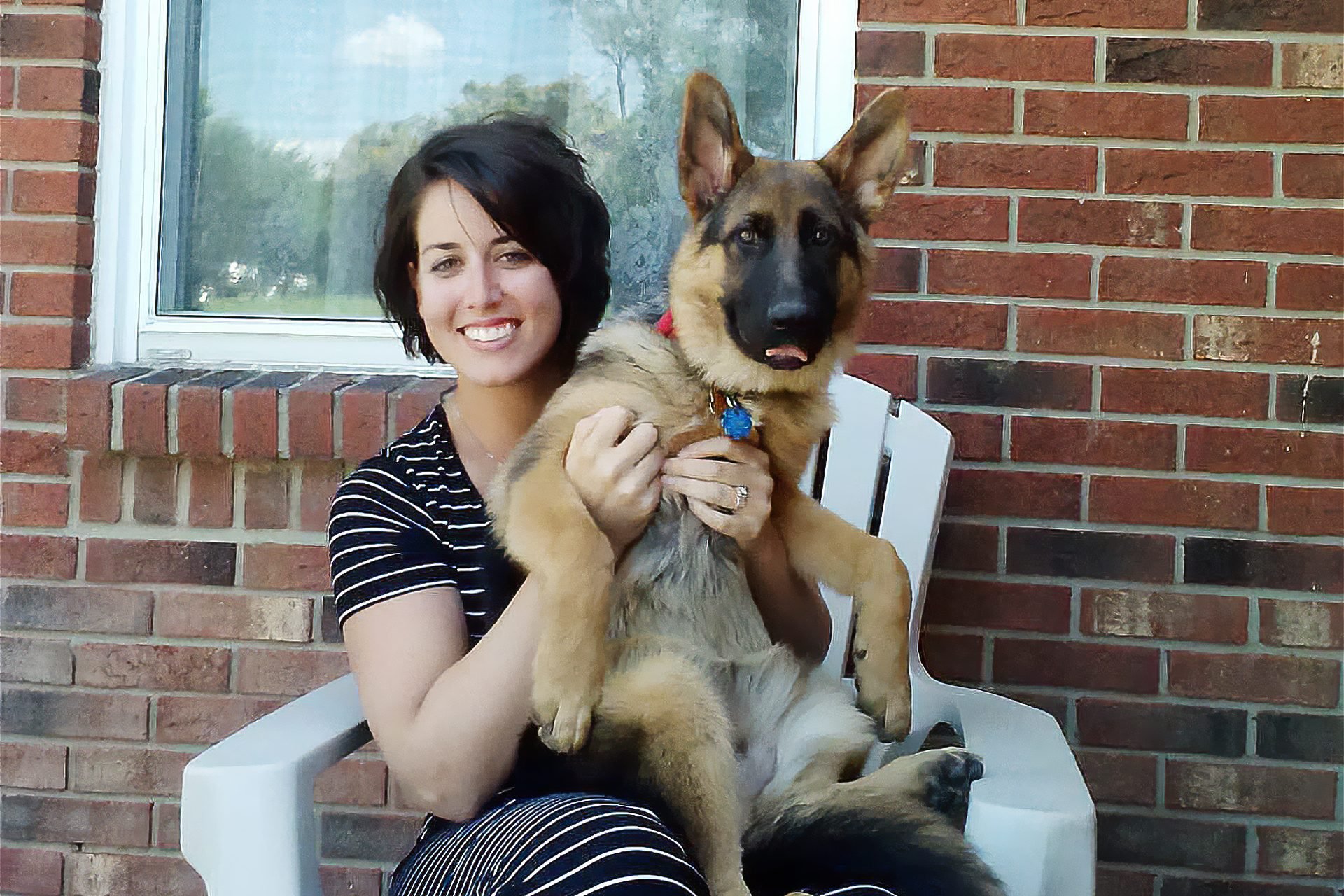
Choosing adoption eases pressure on shelters and opens space for other animals in need. Beyond the immediate benefit of saving a life, adopters often discover that rescued dogs bring unique gratitude and affection, strengthening the human-animal bond.
The Challenges Faced by Rehomed Dogs
Adjustment to New Environments
Moving into an unfamiliar home can be stressful for any dog. Common reactions include nervousness, clinginess, or tentative exploration. A calm routine, gentle guidance, and predictable surroundings help build confidence during the transition.
Behavioral Issues and Training
Some adopted dogs arrive with habits that require patient redirection. Positive-reinforcement classes, enrichment activities, and, when necessary, guidance from qualified trainers can turn challenging behaviors into manageable, often endearing, quirks.
The Benefits of Rehomed Dogs
Emotional Support
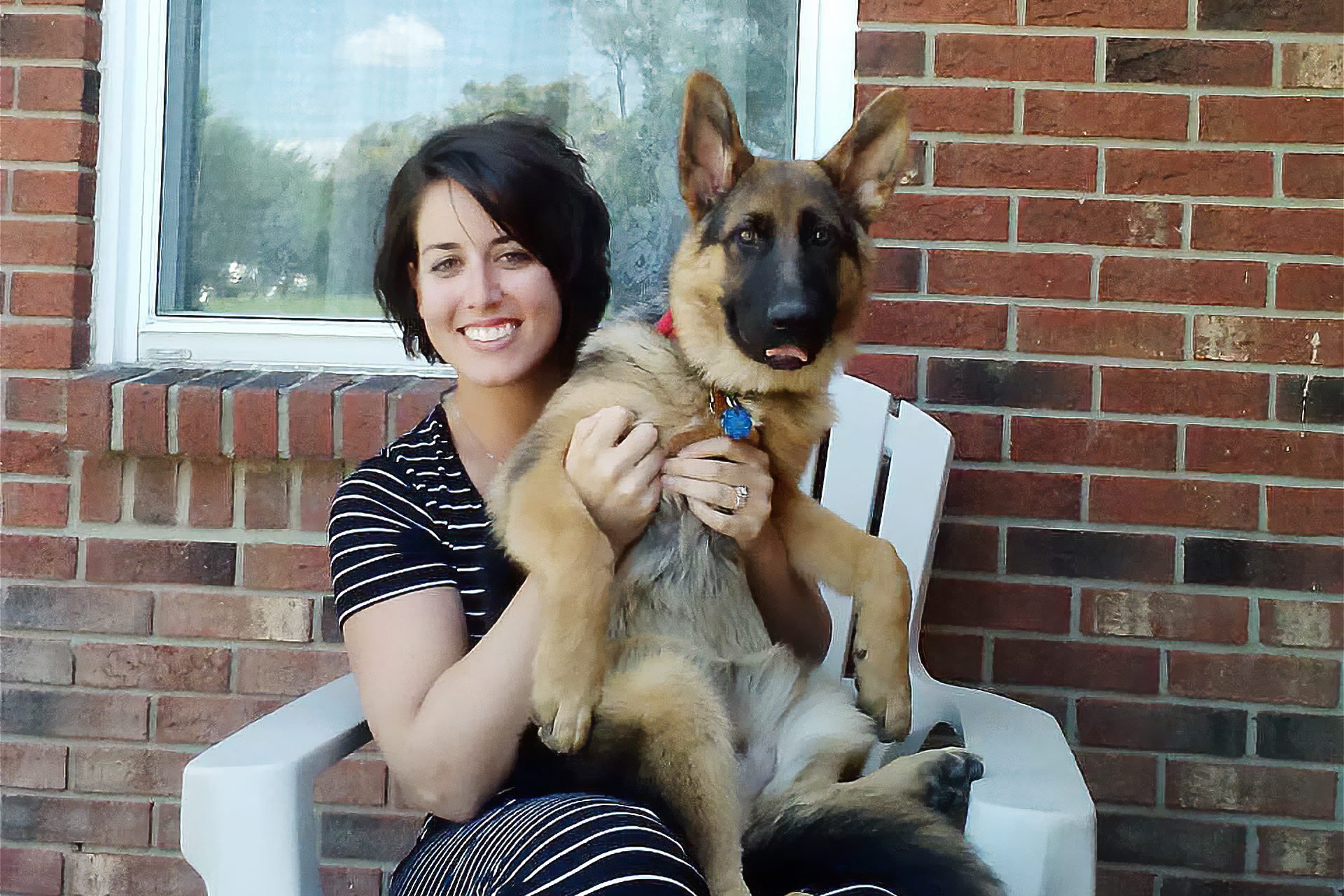
Once secure, adopted dogs frequently become steady sources of comfort. Daily walks, shared playtime, and quiet companionship can lift moods, encourage exercise, and foster a sense of purpose for people of all ages.
Community Engagement
Dog ownership naturally sparks conversation among neighbors and creates opportunities to join local events such as charity walks, training workshops, or park clean-ups. These shared experiences strengthen community ties and promote civic pride.
The Role of Shelters and Rescues
Shelter Services
Rescue organizations provide essential care including health checks, vaccinations, and behavioral assessments. Many also offer post-adoption advice, ensuring families feel supported long after paperwork is signed.
Public Awareness Campaigns
Through social media, school visits, and partnership with local businesses, shelters spread the message that adoption is a rewarding choice. Clear information about preparation, costs, and long-term commitment helps prospective guardians make informed decisions.
Conclusion
Bringing a rehomed dog into the family is a meaningful act that benefits animals, individuals, and the wider community. While patience may be needed during the initial adjustment, the lasting friendship and joy that follow often exceed expectations. Continued support for shelters and adoption programs will help sustain this positive cycle for years to come.

Recommendations and Future Research
Recommendations for New Owners
Prospective adopters should research breed traits, secure appropriate supplies, and plan a quiet introduction period. Establishing consistent rules, scheduling veterinary care, and celebrating small victories build trust and set the stage for a harmonious life together.
Future Research Directions
Long-term studies tracking health, behavior, and owner satisfaction could refine best practices for adoption counseling. Comparing training methods and support resources may also identify the most effective ways to ease transitions and sustain successful placements.
In conclusion, rehomed dogs are not just pets; they are companions, friends, and sources of emotional support. Their adoption is not only a personal decision but also a social responsibility that can have far-reaching benefits for individuals, communities, and society as a whole.


