

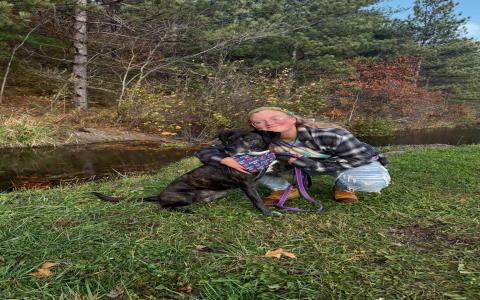
Community Paws & Nature: A Local Commitment to Animal Care and Habitat Protection
Introduction
Community Paws & Nature is a volunteer-led non-profit that has spent nearly three decades improving the lives of animals and protecting nearby green spaces. This overview explores the group’s mission, achievements, and next steps, showing how grassroots energy can advance both animal welfare and environmental health.
The Mission of Community Paws & Nature
The organization was created to link people, pets, and the planet through learning, outreach, and hands-on projects. Its work ranges from rescue and re-homing to planting native trees and cleaning waterways.
Education and Advocacy
Free workshops, school talks, and pop-up booths share tips on humane pet care, wildlife-friendly yards, and low-waste living. By translating science into everyday actions, the group turns concern into everyday habit.
Community Involvement
Weekend clean-ups, foster networks, and “walk-for-a-cause” events invite residents to donate time rather than money. These shared experiences build trust and keep volunteers coming back.
Impact of Community Paws & Nature
Year after year, small projects add up to big change:
Animal Rescue and Shelter Services
A cozy shelter and a fast-response foster system give lost, injured, or abandoned animals medical care and a second chance at a happy home.
Community Outreach Programs
Traveling story hours, pet-food banks, and bilingual flyers reach thousands of households, spreading practical advice and creating a safety net for animals and owners alike.
Conservation Efforts
Tree-planting weekends, pollinator gardens, and stream-side seeding days restore habitat corridors where birds, bees, and small mammals can thrive alongside people.

Challenges and Opportunities
Growth brings new hurdles:
Funding and Resources
Donations rise and fall with the seasons. Grants help, but steady income is needed to cover vet bills, food, and field supplies.
Public Perception
Myths about “dangerous” breeds or “pest” wildlife still circulate. Clear, friendly messaging is essential to replace fear with facts.
Collaboration and Partnerships
Shared goals don’t always mean shared calendars. Coordinating with vets, schools, and park boards takes patience, but the payoff is stronger, faster results.
The Future of Community Paws & Nature
The road ahead is ambitious yet practical:
Expanding Services
Plans include a low-cost spay-neuter mobile unit, expanded weekend clinics, and more green-space restorations in underserved neighborhoods.

Strengthening Partnerships
Closer ties with local businesses, garden clubs, and outdoor groups will pool skills, funds, and audiences for maximum benefit.
Advocacy and Education
The team will keep pushing for pet-friendly housing rules and wildlife corridors in city plans, while teaching every age group how small choices create big ripple effects.
Conclusion
Community Paws & Nature proves that when neighbors combine compassion with action, animals win, habitats heal, and people discover common ground. The journey is long, but the spirit is strong—and the next volunteer, donor, or foster parent could be anyone ready to lend a hand.
Recommendations and Future Research
To keep the momentum going, consider these steps:
1. Diversify Funding Sources: Mix donor drives with social-enterprise projects—think second-hand pet-gear shops or eco-calendar sales—to smooth income swings.
2. Leverage Technology: Short videos, live Q&A sessions, and interactive maps can turn online scrolls into real-world walks, adoptions, and planting days.
3. Research and Evaluation: Track adoption return rates, sapling survival, and volunteer retention to spot what works and tweak what doesn’t.
Future research could focus on the following areas:

1. Evaluating the Long-Term Impact of Community Outreach Programs: Measure how outreach shifts attitudes and behaviors toward pets and local wildlife over five or ten years.
2. Comparative Studies of Conservation Efforts: Compare habitat patches restored by volunteers with those left untouched to refine low-cost, high-impact methods.
3. Economic Impact of Animal Welfare and Conservation: Quantify savings from reduced stray intake, increased tourism on cleaner trails, and higher property values near green corridors.


