


Smart Dog Training: A Holistic Approach to Canine Learning
Introduction
Training is a cornerstone of life with dogs, shaping them into calm, confident, and joyful companions. Smart dog training goes beyond simple commands; it nurtures the mind and emotions while teaching practical skills. This overview highlights why thoughtful training matters, the rewards it brings, and the gentle techniques that make learning fun for every dog.
The Value of Thoughtful Training
A mindful training plan strengthens trust between dog and guardian. Clear guidance prevents confusion and stress, while mental exercise keeps dogs alert and content. When lessons are kind and consistent, daily life becomes safer and more relaxed for everyone at both ends of the leash.
Rewards of a Balanced Program
The payoff of patient, reward-based lessons shows in countless everyday moments:
1. Polished Manners
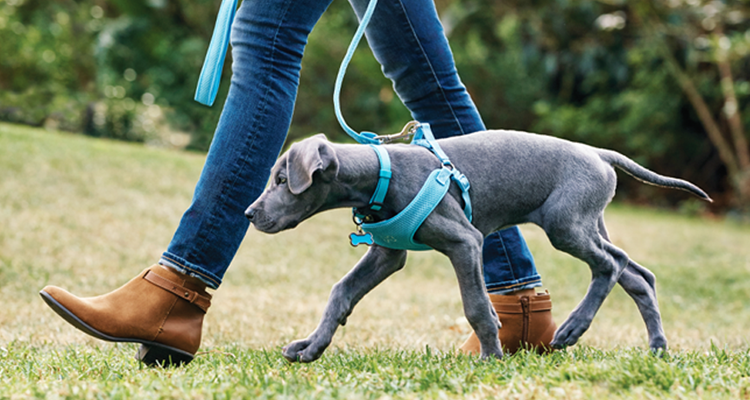
Sit, stay, come, and heel soon become second nature, making walks, vet visits, and family gatherings smoother. Good habits replace jumping, barking, or pulling, so dogs are welcome anywhere.
2. Deeper Friendship
Shared lessons create a common language. Each successful cue is a tiny celebration that tightens the bond and replaces frustration with teamwork.
3. Healthier Lifestyle
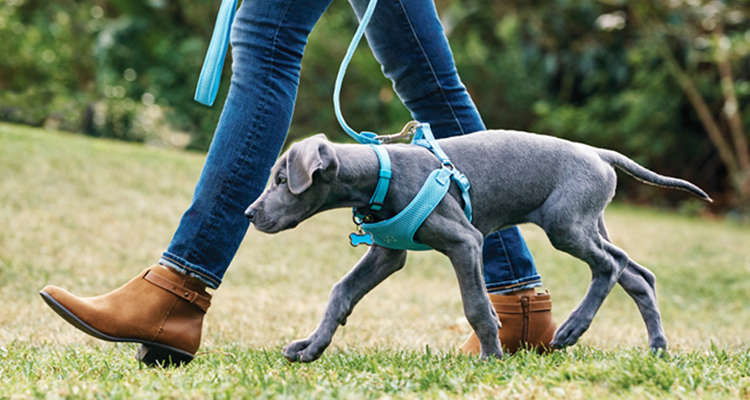
Short, upbeat sessions keep bodies moving and minds working. Active learning burns energy, supports healthy weight, and lowers anxiety, leading to a more restful nap afterward.
4. Confident Social Skills
Gradual, positive exposure to new people, dogs, places, and sounds teaches dogs to stay relaxed in a changing world. A confident dog greets life with curiosity instead of worry.
Gentle Techniques That Work
Modern trainers favor methods that feel like play rather than pressure. The most popular tools include:

1. Positive Reinforcement
Good choices earn treats, toys, or affection. Since dogs repeat what pays off, rewards quickly turn desired behaviors into lifelong habits.
2. Marker Sounds
A clicker or a cheerful “yes!” pinpoints the exact moment a dog gets it right, bridging the gap between behavior and reward with laser precision.
3. Changing Feelings
If something triggers fear, pairing it with favorite snacks or games gradually swaps the emotional response from dread to delight.

4. Gradual Exposure
By starting with a mild version of a troubling stimulus and slowly increasing intensity while the dog stays calm, sensitivity fades and confidence grows.
Closing Thoughts
Smart, compassionate training is one of the greatest gifts guardians can give. It creates clear communication, keeps dogs physically fit and emotionally secure, and fills daily life with mutual trust. Investing time and kindness in education turns any dog into a relaxed, polite, and happy life companion.
Looking Ahead
Continued exploration could deepen our understanding in several areas:

1. How different reward strategies influence long-term habits and overall mood.
2. The way individual temperament shapes learning speed and style.
3. Innovative games tailored for dogs with special sensitivities or energy levels.
4. The shared mental-health benefits for both dogs and people when training becomes a regular, joyful routine.


