

Can You Pet a Seal? Understanding the Dynamics of Human-Seal Interactions
Introduction
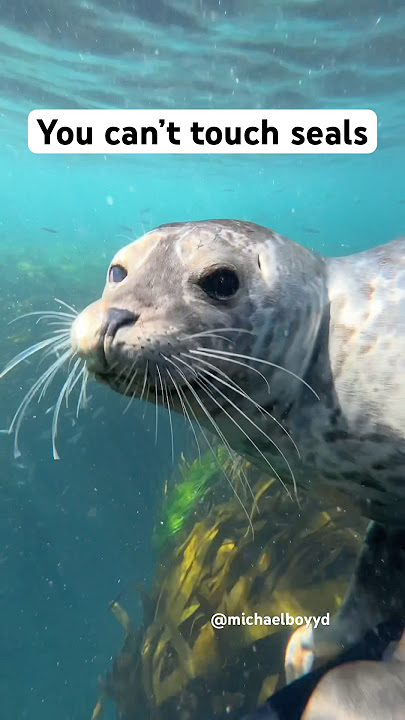
The question “Can you pet a seal?” sounds simple, yet it opens a deeper conversation about wildlife etiquette, conservation, and the way we share coastlines with marine life. Seals are charismatic, curious animals, but they are also protected wild neighbors whose well-being depends on minimal human interference. This article unpacks why a friendly pat can carry unintended consequences for both people and seals.
The Ethical Dimension
Animal Welfare and Conservation
Seals thrive when they remain undisturbed. Approaching or touching them can trigger stress responses, separate pups from mothers, or encourage risky habituation. Because several seal populations are still rebuilding after decades of pressure, giving them space is one of the easiest yet most powerful conservation actions a person can take.

Wildlife Protection Laws
Most coastal nations treat seals as legally protected wildlife. National regulations typically forbid close contact, feeding, or any activity that changes natural behavior. These rules safeguard animals from unintentional harassment and keep humans safe from bites or zoonotic disease.
Impact on Seal Behavior
Habituation and Desensitization
When seals begin to associate people with food or attention, they can lose wariness that once kept them safe. Habituated seals may crowd marinas, rest on busy beaches, or act assertively around dogs and children, increasing odds of injury on both sides.
Stress and Anxiety
Even a brief encounter can spike a seal’s heart rate and stress hormones. Repeated disturbances drain energy reserves needed for growth, molting, and nursing, ultimately lowering survival chances—especially for younger animals.
Human-Seal Interactions: A Broader Perspective
Respect for Nature
Choosing to observe rather than touch reinforces a wider ethic of respect: wild places function best when their residents are free to behave naturally. Small personal decisions—like keeping distance—scale up to healthier coastal ecosystems.
Educational and Conservation Efforts
Binoculars, cameras with zoom lenses, and ranger-led walks let visitors enjoy seals without intrusion. Citizen-science apps also invite beachgoers to log sightings, turning curiosity into data that researchers can use to monitor populations.
Conclusion
So, can you pet a seal? In short, it is best to admire from afar. Valuing these animals means trading the impulse for physical contact for quieter, more respectful observation—an exchange that protects seals and enriches our own sense of wonder.
Recommendations and Future Research
Recommendations
– Follow posted viewing distances and keep dogs leashed near haul-outs.
– Share seal-friendly behavior tips on social media and within local communities.
– Support rescue centers that rehabilitate injured seals and offer virtual adoption programs.
Future Research
– Track how quiet-watching protocols affect seal reproduction and pup survival.
– Test whether virtual-reality encounters reduce the desire for close physical contact.
– Measure the success of school outreach in shifting attitudes from touching to protecting.
In the end, the question “Can you pet a seal?” invites us to choose empathy over entitlement. By watching calmly, learning continuously, and advocating for protective policies, we help ensure that future generations will also find seals lounging on rocks and curiously peeking from the waves—wild, free, and on their own terms.

