
Reuniting Rover: A Nationwide Look at Missing Dogs
Introduction
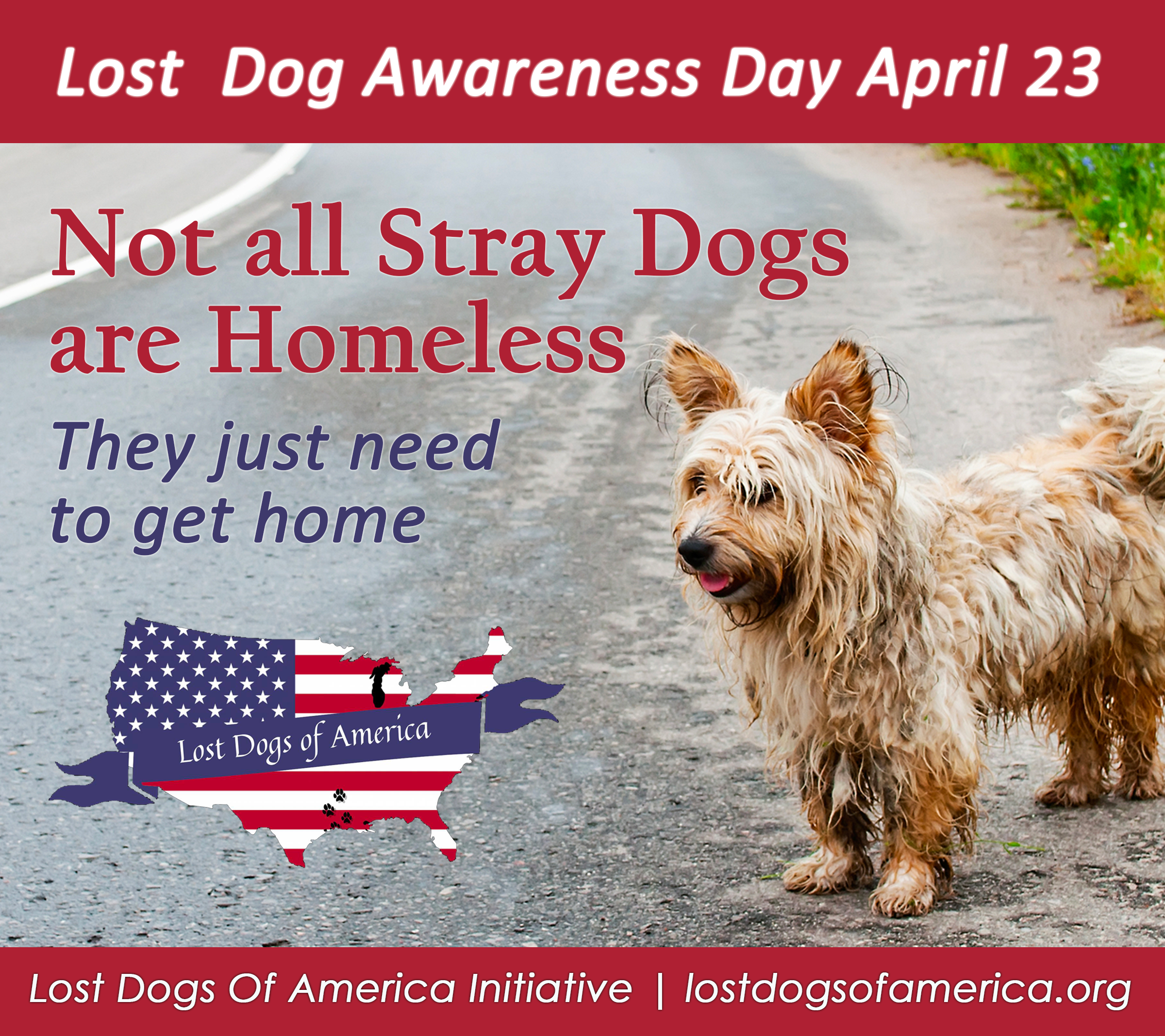
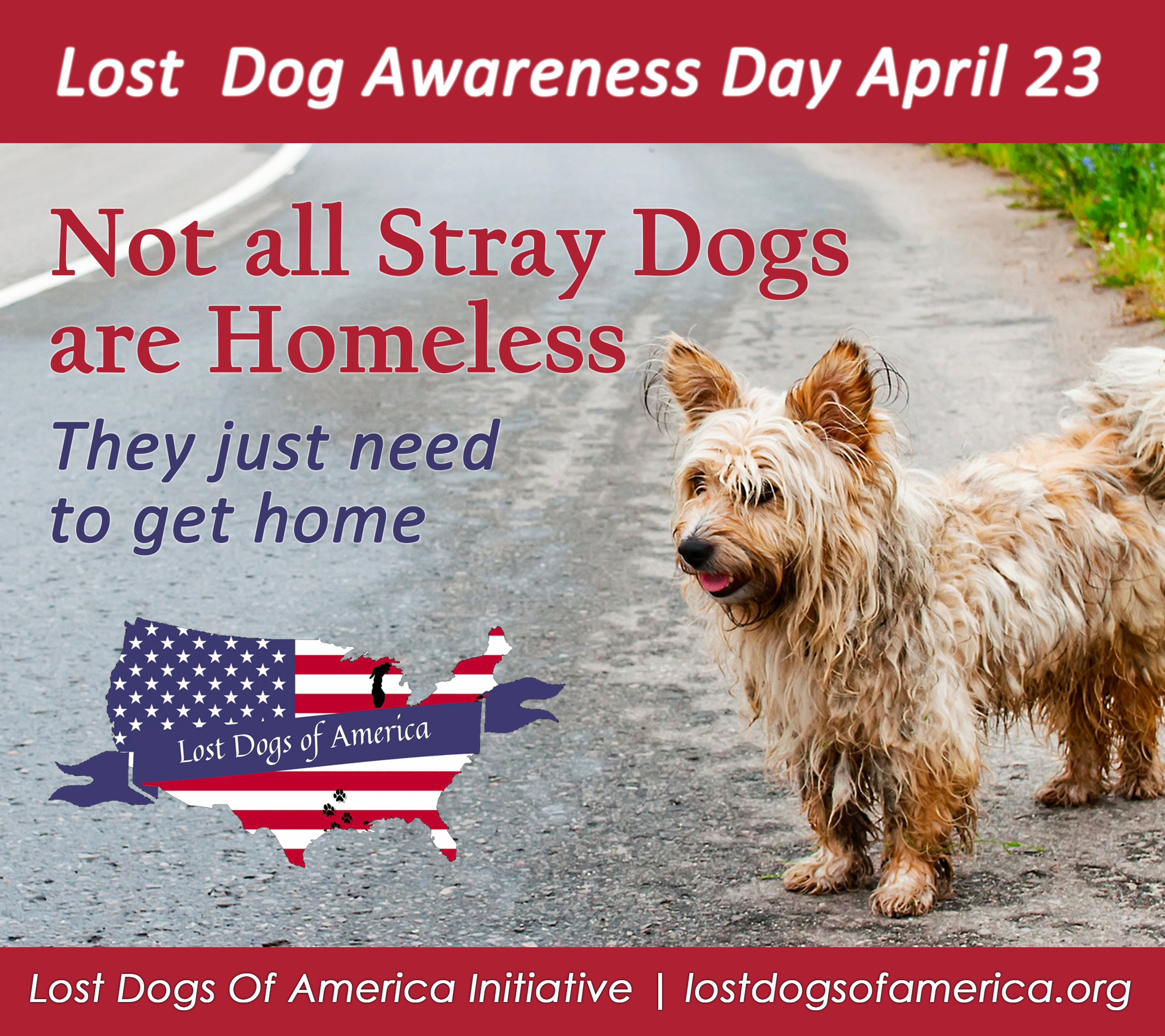
Every year, countless dogs wander away from home, leaving families anxious and searching. Reuniting Rover is a volunteer-driven network that helps bring these pets back to safety. This overview explores the network’s purpose, the hurdles missing dogs face, and the difference community action can make. By highlighting these points, we hope to underscore why quick, coordinated responses matter and how ordinary people can help.
The Mission of Reuniting Rover
Founded by a small group of animal lovers, the network’s sole aim is to get lost dogs back to their families. It does this by linking neighbors, shelters, and online groups into one supportive web. Free tip sheets, printable flyers, and round-the-clock emotional support are offered to anyone who signs up, making the search process less overwhelming.
Challenges Faced by Lost Dogs
Missing dogs encounter several obstacles that can delay a happy homecoming:
1. Lack of Identification
A simple break in a collar or an outdated tag can erase a dog’s fastest ticket home. The network encourages two forms of ID—visible tags and microchips—so that even if one fails, the other remains.
2. Transportation and Shelter Costs
Gas money, overnight boarding, or emergency vet checks can add up fast. When funds run low, families may give up the search. Gift-card drives and crowd-funding pages organized by volunteers often cover these sudden bills.
3. Limited Local Awareness
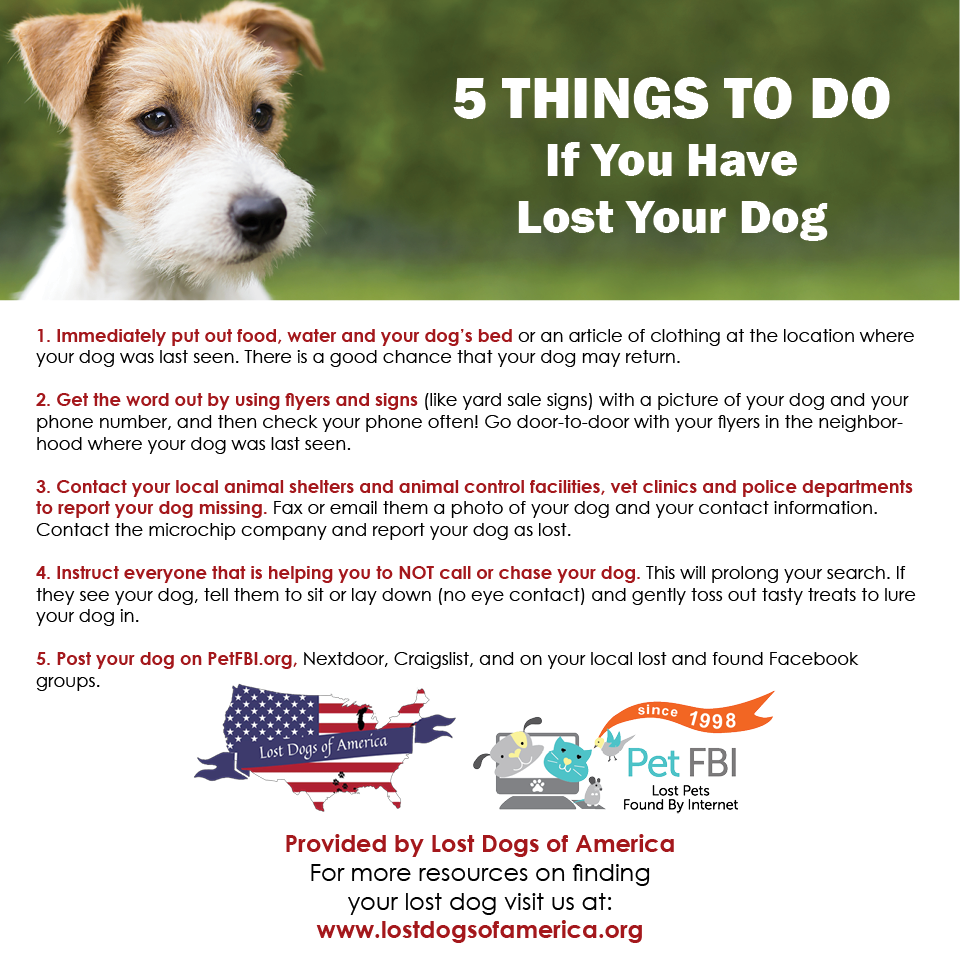
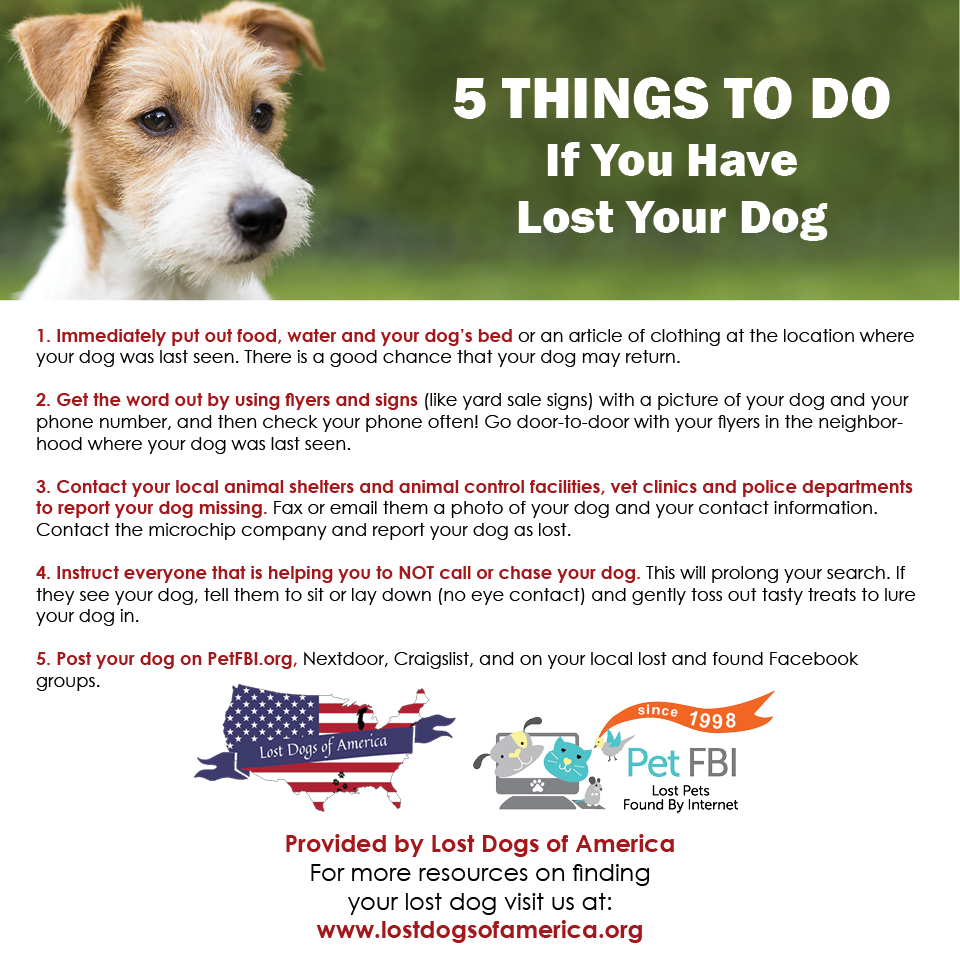
Not every neighborhood has an active lost-and-found page, so word travels slowly. Weekly social-media blitzes and printable door hangers help spread the message beyond the usual circles.
The Impact of Reuniting Rover
Since its launch, the network has changed outcomes for dogs and owners alike:
1. Reunions
Thousands of tail-wagging homecomings have been logged, many within 48 hours of the alert going out. Each story is shared online to inspire the next search party.
2. Community Engagement
Block captains, local vets, and even delivery drivers now keep an eye out, creating a living safety net that stretches across postal codes.
3. Policy Advocacy
Volunteers routinely meet with city councils to promote free microchip clinics and longer stray-hold periods, measures that quietly raise reunion rates.
The Role of Technology in Reuniting Rover
Digital tools turn good intentions into faster results:
1. Microchipping
A quick scan at any vet or shelter can pull up owner details in seconds, cutting days off the average stay.
2. Social Media
A single post shared by a popular local page can reach tens of thousands of eyes in minutes, turning bystanders into spotters.
3. GPS Tracking
Collar attachments now allow real-time location sharing, ideal for hikers or families with escape-prone pups.
Conclusion
Reuniting Rover shows that when neighbors combine compassion with simple tech, lost dogs come home faster. The journey is rarely easy, but steady microchip campaigns, strong social networks, and caring volunteers tip the odds in favor of a joyful reunion. Continued focus on ID awareness, community teamwork, and user-friendly gadgets will keep even more tails wagging at their own front doors.
Recommendations and Future Research
To boost success rates even further, consider these steps:
1. Strengthening Pet Identification Laws
Cities can require microchip registration at the same time as routine rabies shots, embedding the habit into standard care.
2. Expanding Community Resources
Partnerships between libraries, schools, and pet stores can host free tag-engraving events, making IDs accessible to all budgets.
3. Investing in Technology
Grants for low-cost GPS collars and scanner apps help smaller shelters join the digital search effort without breaking their budgets.
Future studies could explore:
1. The Impact of Microchipping on Lost Dog Reunions

Large-scale data comparing chipped and non-chipped dogs would quantify the time saved and stress reduced.
2. The Role of Social Media in Lost Dog Recovery
Surveys of successful posts could reveal the best photo angles, hashtags, and timing for maximum shares.
3. The Economic Burden of Lost Dogs on Communities
A cost analysis of shelter nights, volunteer hours, and printing expenses might guide smarter municipal spending.
By following these practical steps and backing them with solid research, we can keep improving the odds that every wandering dog trots safely back home.