

The Role of Animal Protection Groups in Welfare: A Comprehensive Analysis
Introduction
Animal welfare has become a widely discussed topic, with numerous organizations working to improve the lives of animals. This article explores the functions, impact, and challenges faced by leading animal protection groups, offering a broad overview of their contribution to the welfare movement.
Animal Protection Groups: An Overview
What Are Animal Protection Groups?
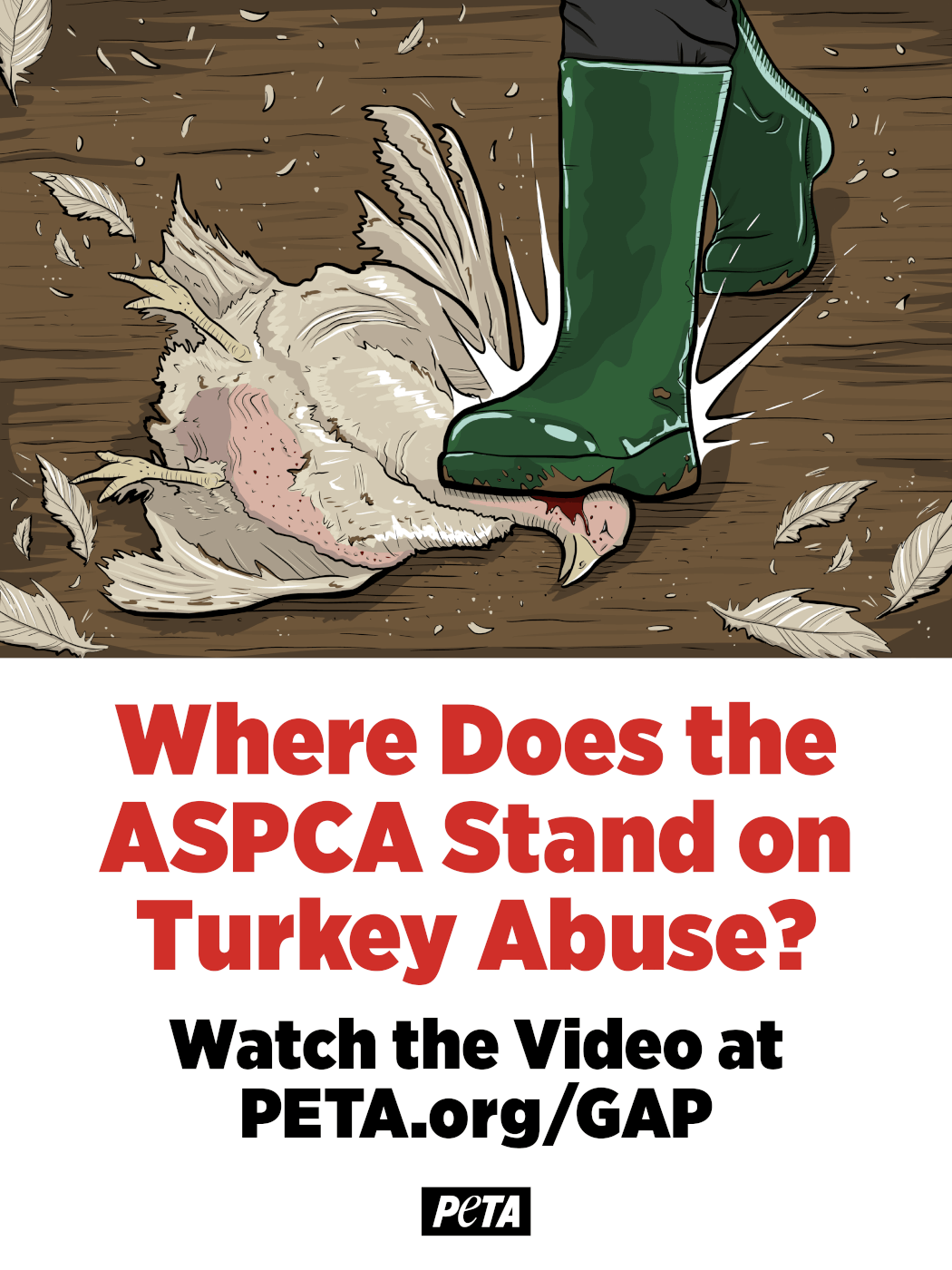
Animal protection groups are non-profit organizations committed to preventing cruelty and promoting humane treatment. They use education, advocacy, and direct care to reduce suffering and encourage responsible attitudes toward animals.
The Mission and Vision
Their shared mission is to secure kinder treatment for all animals. The overarching vision is a world in which people consistently act with empathy and respect toward every species, whether companion, farm, or wild.
The Role of Animal Protection Groups in Welfare
Advocacy and Education
These organizations raise awareness about everyday choices that affect animals, encouraging plant-based diets, cruelty-free products, and informed consumer behavior. Campaigns, school programs, and social media outreach aim to shift attitudes and inspire compassionate action.
Animal Rescue and Sheltering
Rescue teams respond to neglect cases, natural disasters, and abandonment, providing emergency care and safe shelter. Staff and volunteers then work to place animals in stable, loving homes through adoption events and rigorous matching processes.
Cruelty Investigations
Trained investigators document alleged abuse, share findings with authorities, and support legal proceedings when appropriate. Their work sheds light on hidden practices and helps enforce existing welfare laws.
Policy Change and Legislation
By collaborating with lawmakers, these groups push for stronger penalties for abuse, improved standards on farms, and restrictions on harmful testing. Persistent lobbying and public petitions often turn concern into concrete legal reform.
The Impact of Animal Protection Groups
Changing Public Perception
Consistent messaging has normalized adoption over shopping, increased demand for higher-welfare food, and fostered a culture that questions unnecessary animal use.
Legal Action and Policy Change
Investigations have contributed to facility closures, transport regulation, and the adoption of alternative testing methods, demonstrating that advocacy can translate into systemic change.
Rescuing and Rehoming Animals
Millions of animals have been removed from dangerous situations, rehabilitated, and placed in permanent homes, easing shelter overcrowding and giving individuals a second chance.
Challenges and Controversies
Controversial Tactics
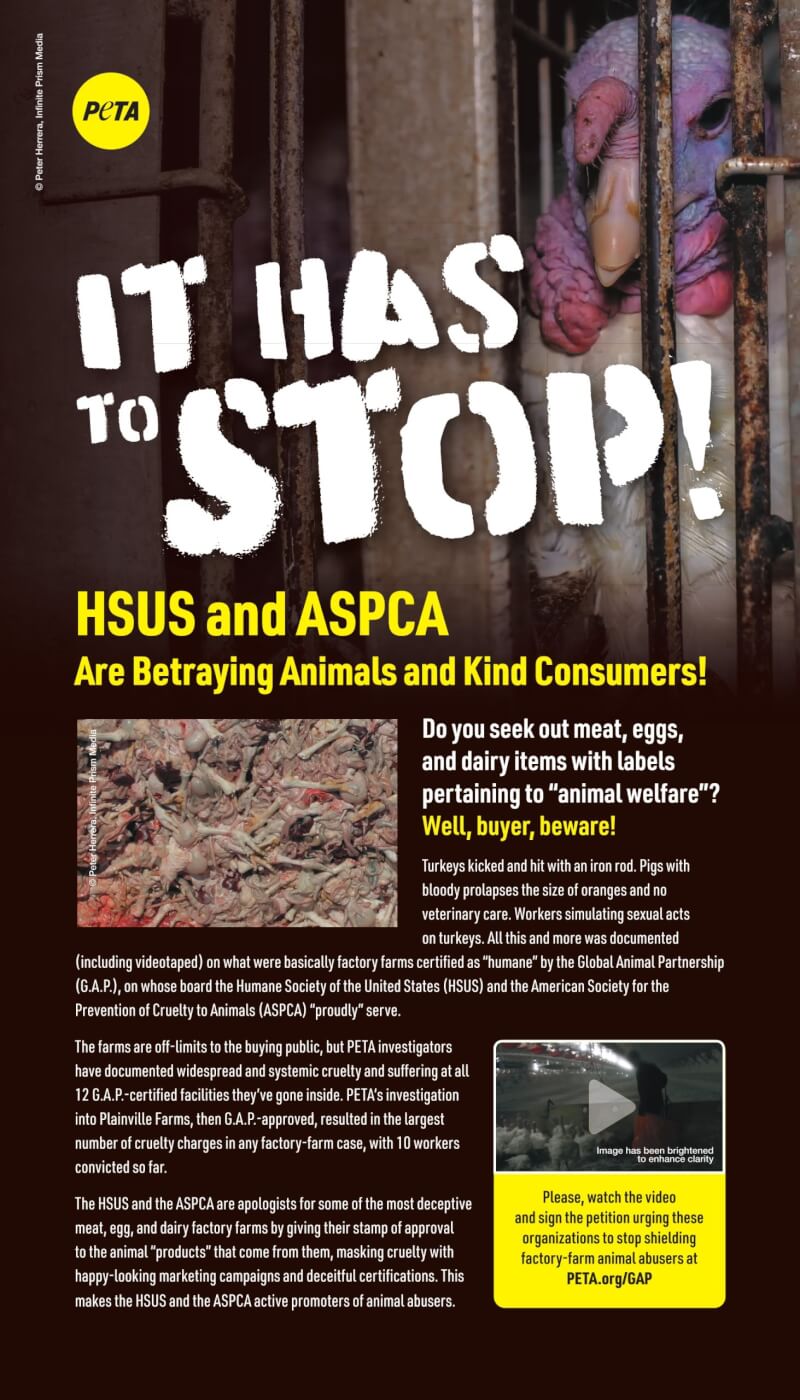
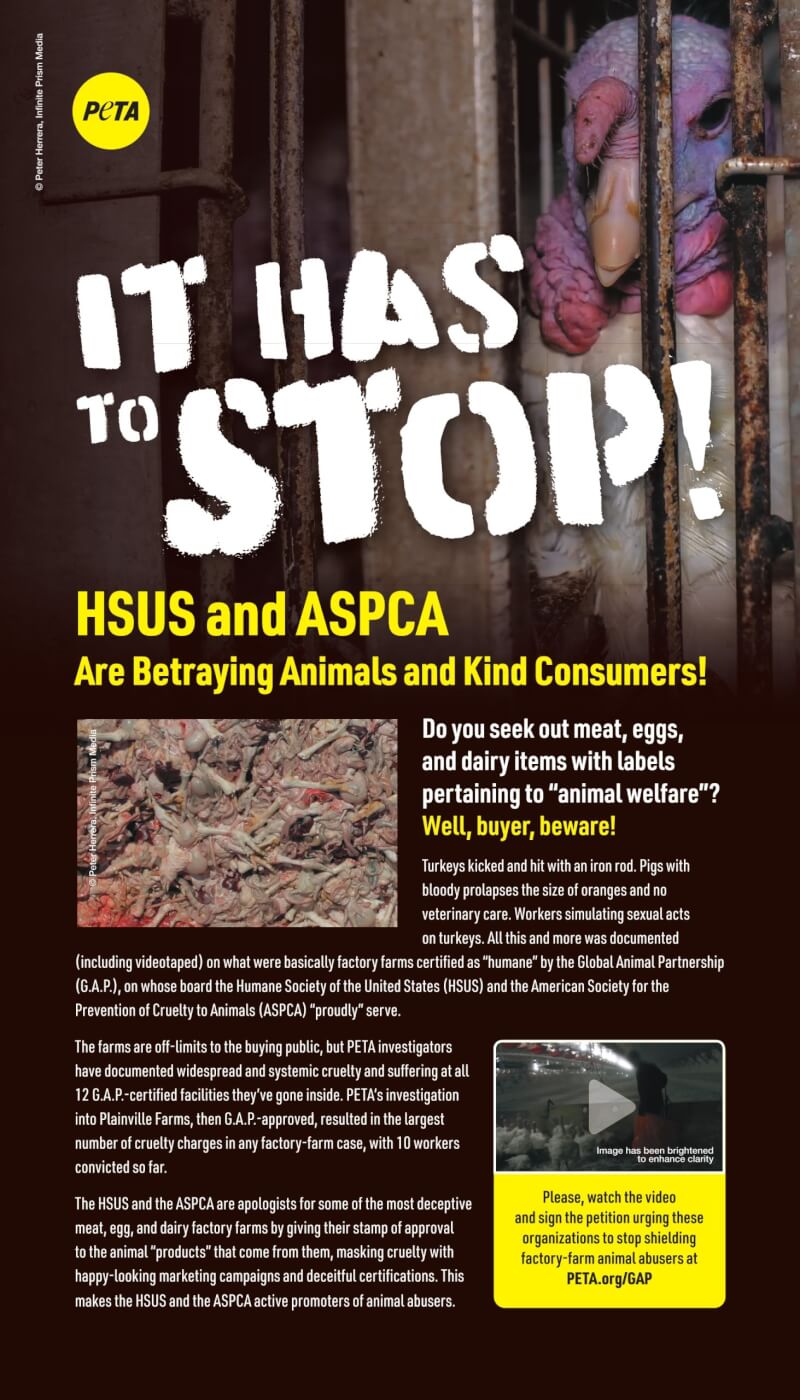
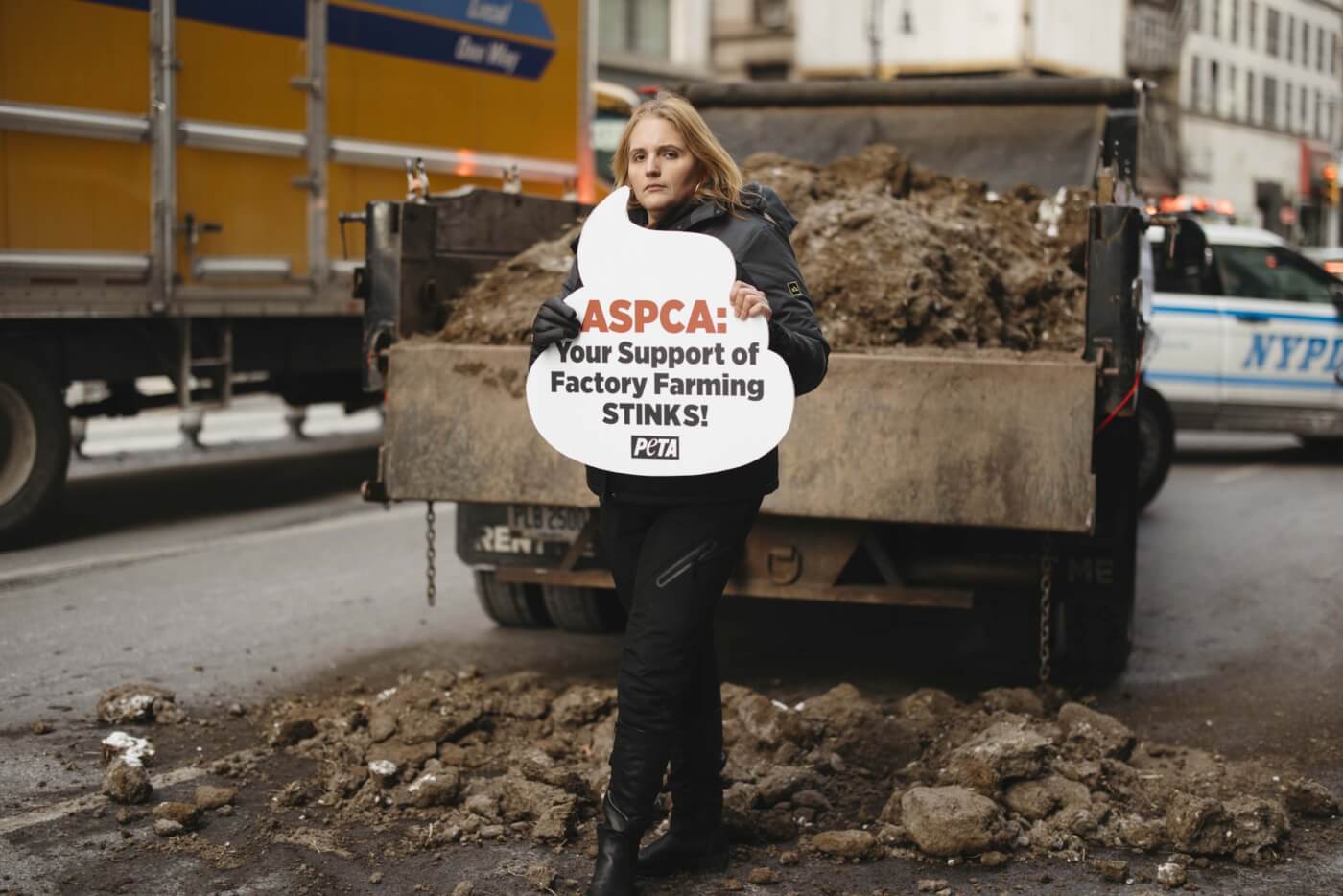
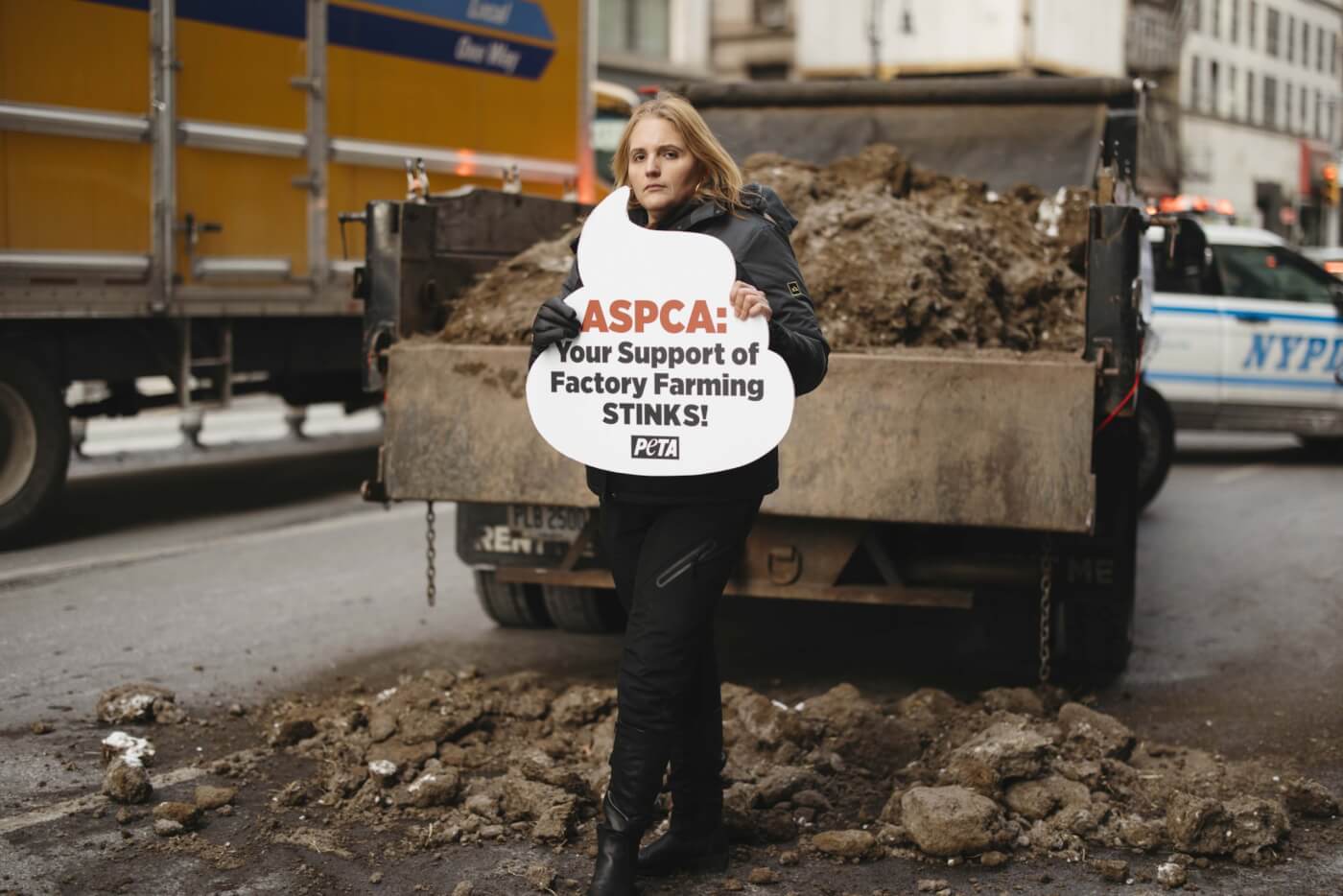
Some campaigns use confrontational imagery or language that sparks debate. While attention-grabbing, such approaches can alienate potential allies and complicate dialogue with industry stakeholders.
Funding and Resources
Reliance on donations means resources fluctuate with economic conditions. Limited budgets can restrict field rescues, spay-neuter programs, and educational outreach, especially in underserved regions.
Conclusion
Animal protection groups remain central to advancing welfare. Through rescue, education, and legislative work, they continue to improve countless lives and inspire broader cultural change, despite persistent obstacles.
Recommendations and Future Directions
To strengthen their impact, these organizations could focus on:
– Collaboration with Other Organizations: Pooling expertise and sharing campaigns can extend reach and avoid duplication of effort.
– Community Engagement: Grass-roots events, local workshops, and school partnerships build trust and create sustained neighborhood support.
– Research and Innovation: Supporting studies on alternative testing, shelter enrichment, and humane farming accelerates practical solutions and keeps advocacy evidence-based.
In summary, the dedication of animal protection groups is vital for a more compassionate society. Continued innovation, cooperation, and community involvement will help secure lasting improvements for animals worldwide.

