

Title: The Plight of Dogs in High-Intake Shelters: A Comprehensive Analysis
Introduction
The situation facing dogs in high-intake shelters has become a growing concern for animal welfare advocates and communities everywhere. These facilities, often under constant pressure, house dogs that may be euthanized when space, resources, or behavioral challenges become overwhelming. This article explores the scope of the problem, examines its root causes, and outlines practical steps that can help improve outcomes for dogs in these settings.
Understanding the Problem
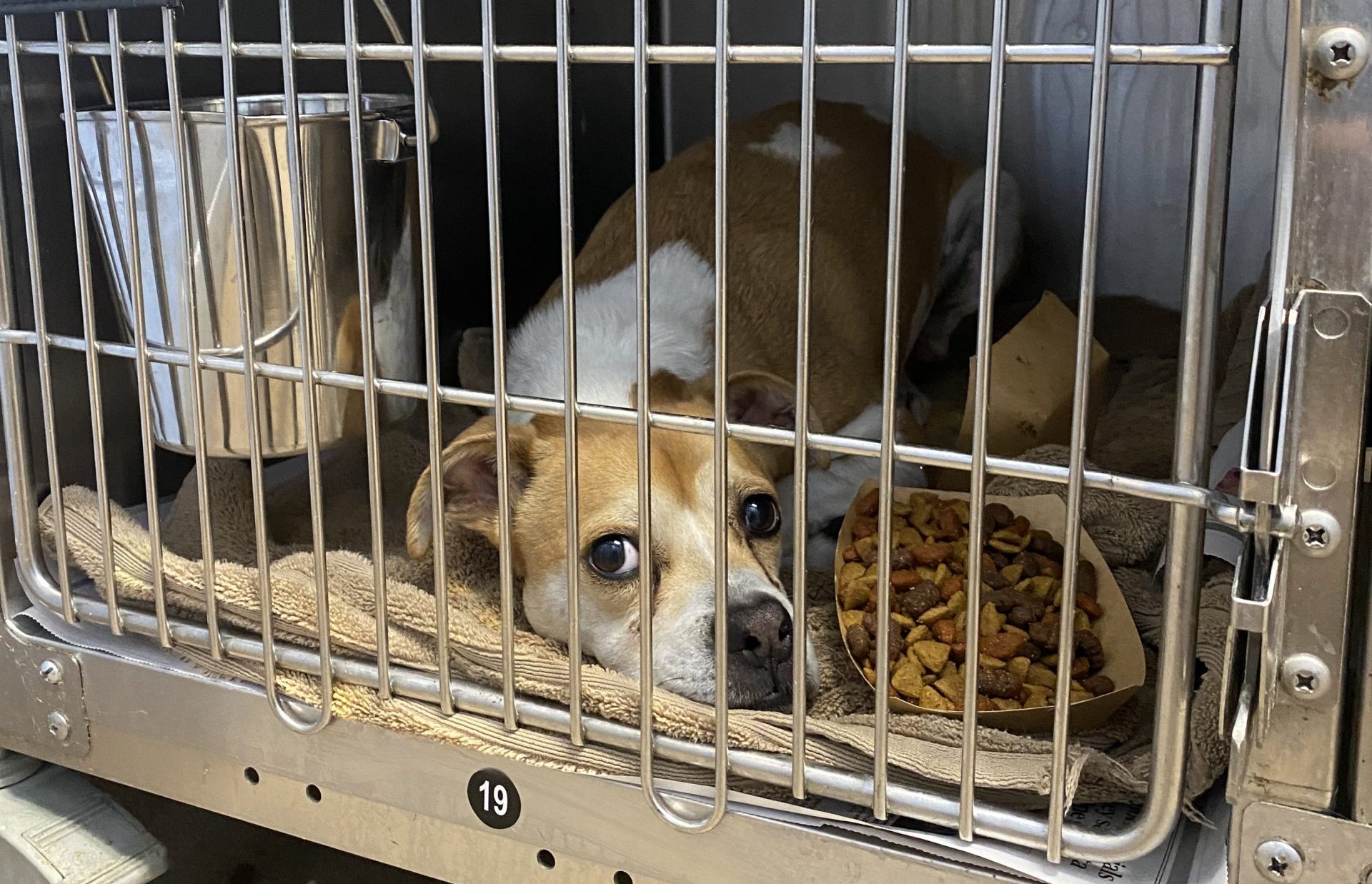
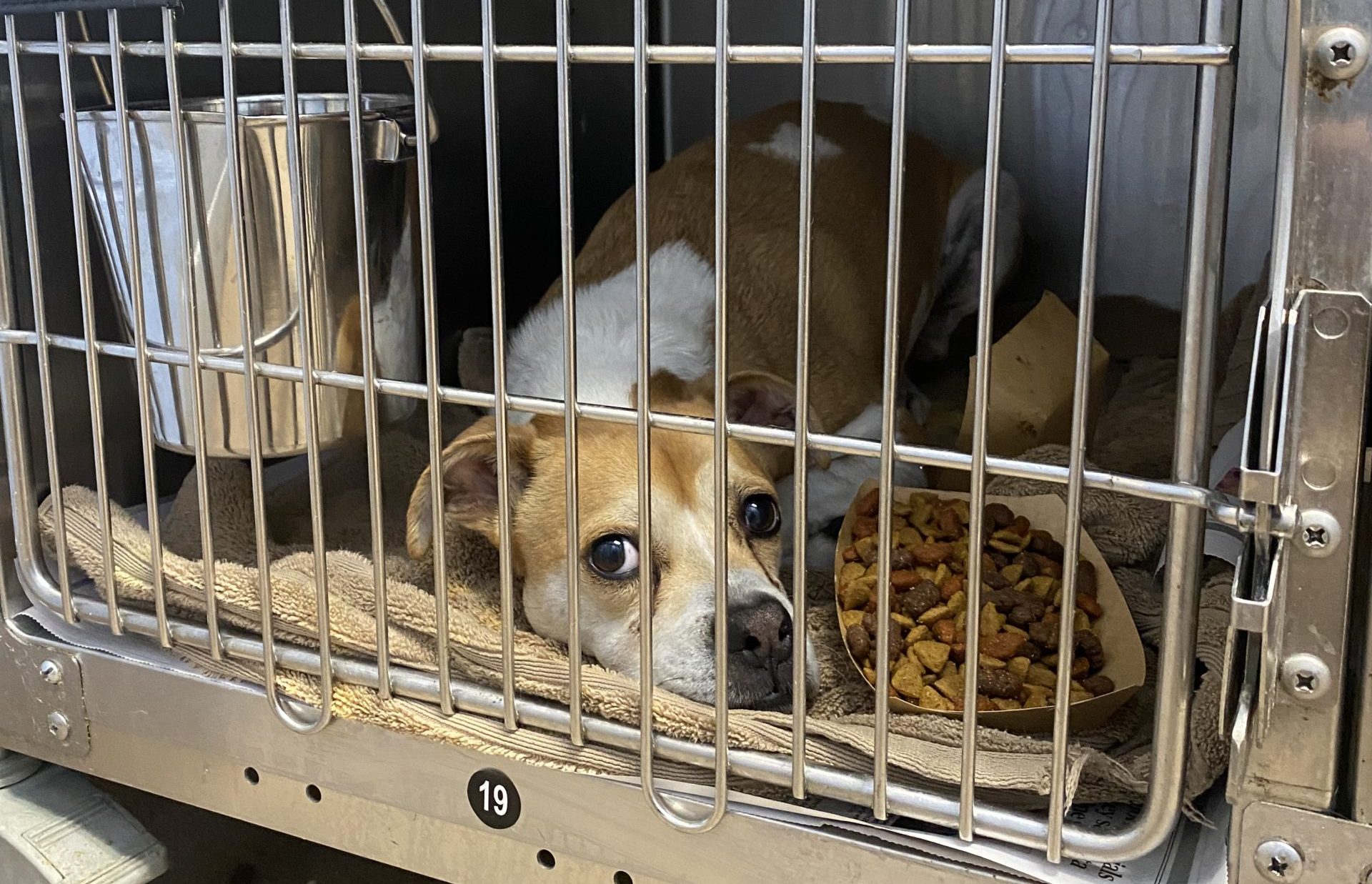
Dogs entering high-intake shelters are affected by a mix of factors that put them at risk. Chief among these is simple arithmetic: more dogs arrive each day than leave through adoption. The resulting imbalance strains every part of the system, from kennel space to staff time, and can lead to difficult decisions about euthanasia.
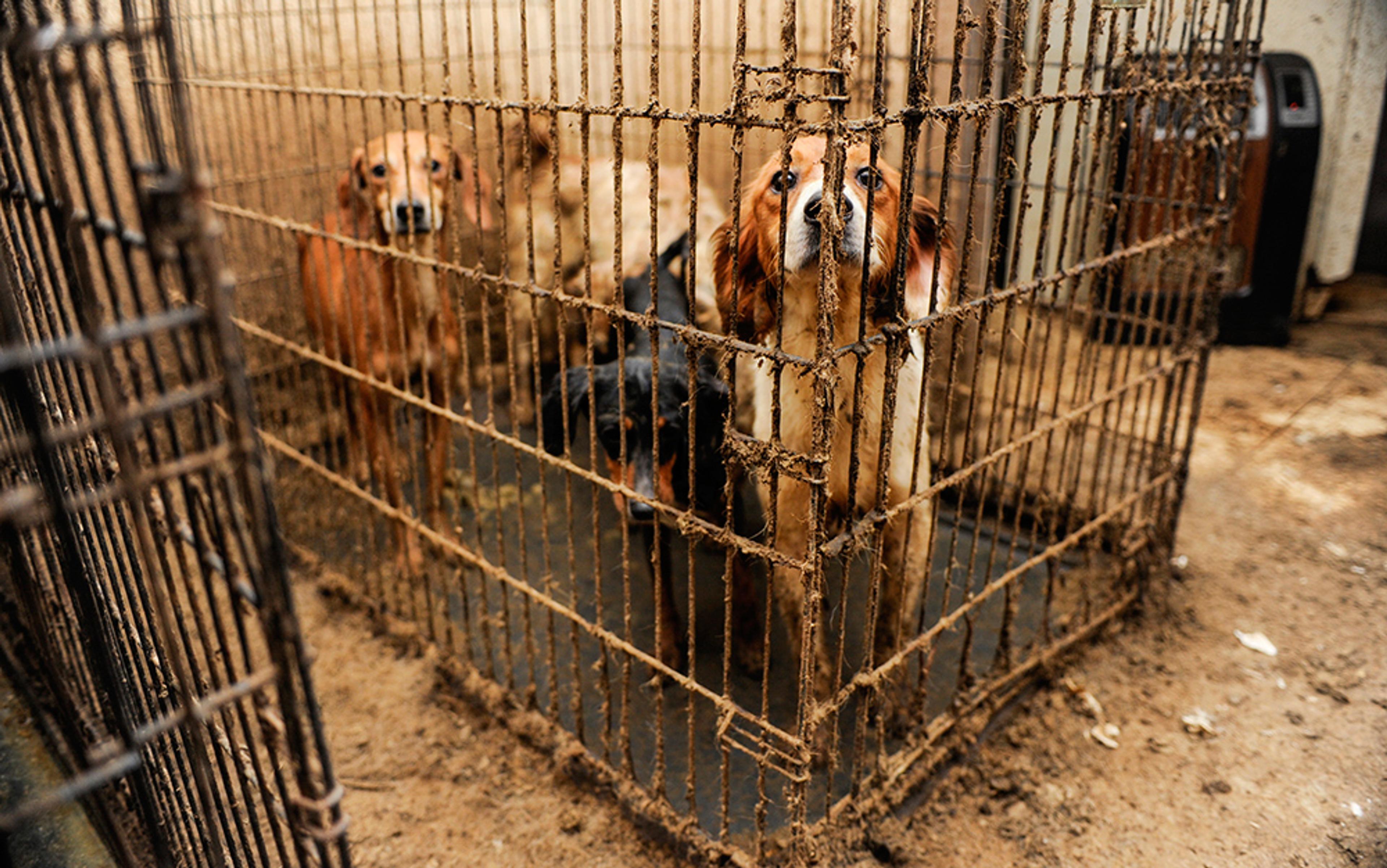
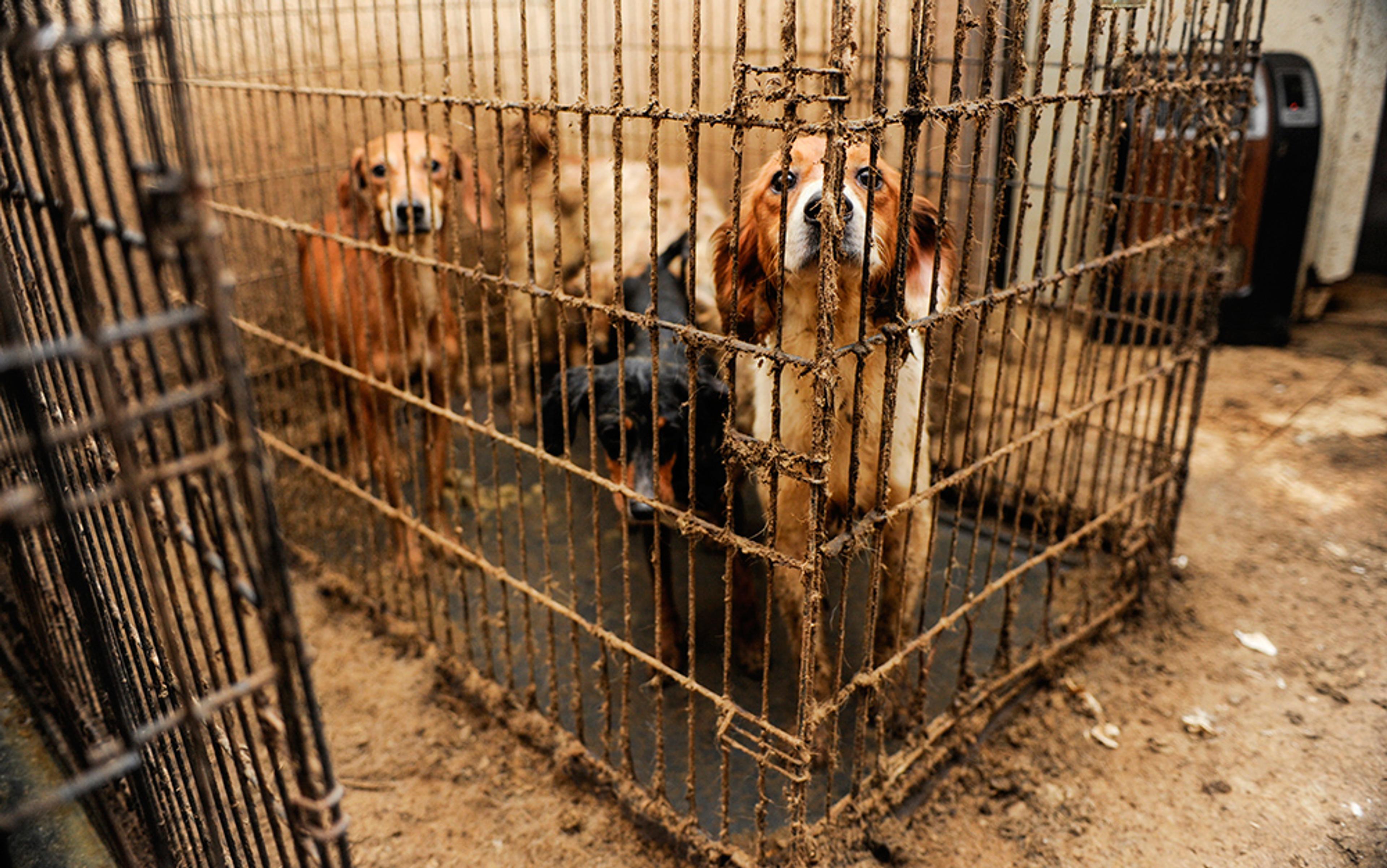
Limited budgets compound the challenge. Many shelters operate on tight margins, leaving little room for expanded veterinary care, enrichment programs, or additional personnel. Overcrowded conditions can then spiral, reducing the quality of life for every animal in the building.
Behavioral obstacles also play a major role. Some dogs arrive with fear, anxiety, or habits that make them harder to place. Without specialized training or rehabilitation, these behaviors often persist, lowering the dog’s chance of adoption and increasing the likelihood of euthanasia.
Underlying Causes
Several deeper issues feed the cycle:
1. Incomplete Spay/Neuter Coverage: When communities lack accessible, low-cost sterilization services, litters continue to arrive at rates shelters cannot match with adoptions.
2. Limited Public Awareness: Prospective owners sometimes underestimate the lifelong commitment a dog requires, leading to surrenders when reality does not match expectations.
3. Resource Gaps: Insufficient staffing, outdated facilities, and minimal veterinary support reduce a shelter’s ability to rehabilitate and rehome animals.
4. Behavioral Support Shortfalls: Few shelters can afford full-time trainers or behaviorists, so manageable issues may go unaddressed until they become deal-breakers for adopters.
Proposed Solutions
A coordinated set of interventions can shift the balance in favor of the animals:
1. Accessible Sterilization Programs: Mobile clinics, voucher systems, and partnerships with private veterinarians can bring spay/neuter services to every neighborhood.
2. Ongoing Education Campaigns: Clear, consistent messaging about responsible ownership—financial, emotional, and time commitments—can lower surrender rates.
3. Increased Operational Support: Grants, corporate sponsorships, and volunteer programs can expand staffing, medical care, and enrichment activities.
4. Streamlined Adoption Pathways: Open-adoption policies, weekend events, and foster-to-adopt trials remove friction for qualified families.
5. Behavior Investment: Short-term foster homes, on-site training protocols, and post-adoption support can transform “difficult” dogs into beloved pets.
Conclusion
The challenges facing dogs in high-intake shelters are multifaceted, but they are not insurmountable. By combining prevention, education, resource enhancement, and post-adoption support, communities can steadily reduce the number of dogs at risk and improve welfare for those already in the system.
This overview has mapped the problem, traced its origins, and offered actionable remedies. Success will depend on sustained cooperation among shelters, veterinarians, policymakers, and everyday citizens who believe every dog deserves a safe, loving home.
Recommendations and Future Research
To keep momentum, stakeholders can focus on the following priorities:
1. Stable Funding Streams: Municipal budgets and private donors should treat animal services as essential public infrastructure, not discretionary charity.
2. Cross-Sector Collaboration: Data-sharing agreements among shelters, rescue groups, and veterinary practices can identify hotspots and deploy resources efficiently.
3. Behavioral Science Advancement: Continued study of fear, anxiety, and rehabilitation techniques will refine training protocols and raise adoption rates.
4. Lifelong Learning Initiatives: School curricula, social media campaigns, and veterinarian-client conversations should reinforce that pet ownership is a long-term responsibility.
Together, these steps can move society closer to a future where shelters serve as brief waypoints to new beginnings, rather than final destinations, for the dogs entrusted to their care.

