


The Harmonious Coexistence of Dog and Cat Friends
Introduction
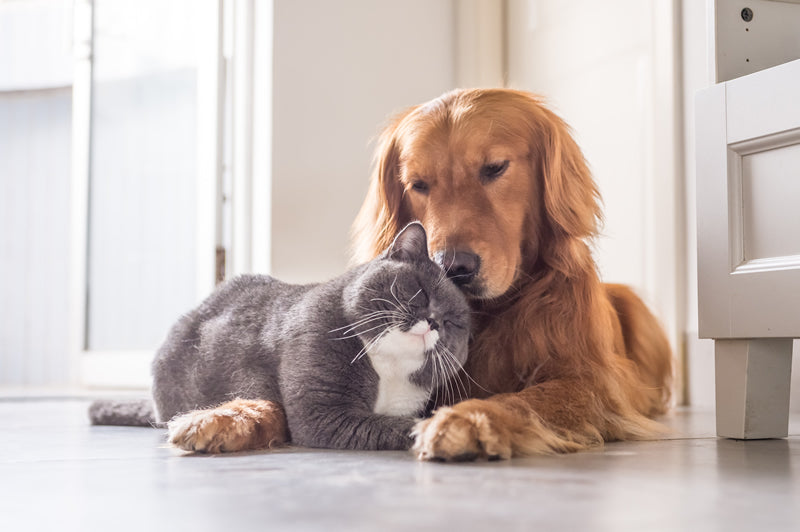
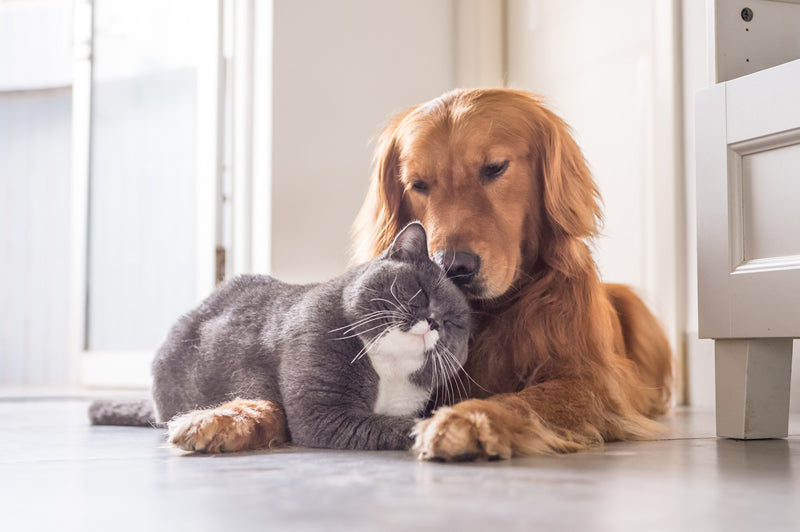
Pet lovers are often drawn to the lively variety of animals available, yet few pairings spark as much curiosity as the dog-and-cat household. This article explores how two species with very different instincts can share the same space peacefully, the advantages they offer one another, and the hurdles they sometimes face. By weaving together observations from behaviorists and everyday caregivers, we gain a clearer picture of what makes this inter-species friendship work.
The Reasons for Harmonious Coexistence
Differences in Temperament

Canines tend to be open-hearted and eager for company, while felines usually prize independence and quiet observation. Rather than clashing, these contrasting traits can balance the home: the dog’s enthusiasm encourages play and exercise, while the cat’s calm presence adds a soothing rhythm to daily life.
Mutual Benefits
Each species can gently nudge the other toward healthier habits. A bouncy dog may coax a reserved cat into movement, and a watchful cat can model patience and subtlety for an exuberant pup. Over time, these small lessons promote confidence and contentment in both animals.
The Dynamics of Dog and Cat Friendships
Communication
Although they do not share a verbal language, dogs and cats become fluent in one another’s signals. Canines rely on wagging tails, relaxed mouths, and varied barks, whereas felines speak through ear angles, tail flicks, and soft chirps. With repetition, they learn to read these cues, reducing misunderstandings and building trust.

Play and Interaction
Joint play sessions—chasing a feather wand, batting at a rolling ball, or light-hearted ambush games—serve as daily diplomacy. These moments burn energy, sharpen reflexes, and, most importantly, create positive memories that strengthen their bond.
Socialization
Gradual, reward-based introductions while both animals are still young or newly adopted lay the groundwork for tolerance. Short, supervised meetings that end in treats or gentle praise teach each pet that the other’s presence equals pleasant outcomes, paving the way for relaxed cohabitation.
Challenges and Solutions
Territoriality
Both species can be protective of favorite resting spots or toys. Supplying duplicate resources—multiple beds, perches, scratching posts, and water stations—reduces competition. Rotating these items keeps the environment novel without sparking possessiveness.
Health Concerns
Occasional sniffles, skin sensitivities, or minor injuries may flare when animals share space. Routine veterinary visits, up-to-date vaccinations, and prompt attention to any changes in appetite or behavior help keep small issues from becoming major setbacks.
Conclusion
A peaceful dog-and-cat household is less about luck and more about thoughtful management. Respect for differing personalities, consistent positive reinforcement, and proactive health care allow these unlikely allies to thrive side by side. When guardians provide structure and patience, the reward is a home filled with complementary energies—playful and serene all at once.
Future Research Directions
Further studies could investigate:
1. Long-term impacts of mixed-species friendships on stress levels and lifespan.
2. How early experiences and individual personality traits shape successful introductions.
3. Refined techniques for reducing resource guarding and inter-species tension in multi-pet homes.
Continued exploration in these areas will deepen our understanding and help even more dogs and cats live together in harmony.

