

Title: The Declawing Debate: A Balanced Look at a Controversial Procedure
Introduction:
Declawing domestic cats remains one of the most debated topics in companion-animal care, dividing pet parents, veterinarians, and welfare advocates. Known medically as onychectomy, the surgery removes the last bone of each toe and, with it, the claw. Proponents cite property protection and human safety; critics warn of lasting pain and behavioral fallout. This overview weighs both sides, reviews published findings, and highlights kinder ways to manage natural scratching instincts.
Understanding Declawing: What It Involves and Its Purpose
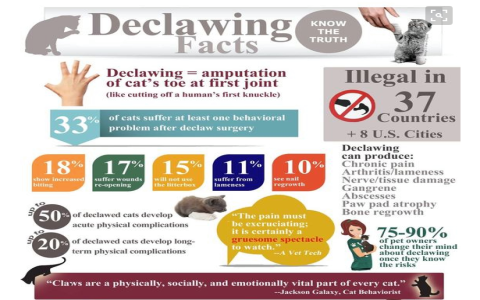
The operation amputates the third phalanx of every digit—comparable to cutting off a human finger at the last knuckle. It is usually requested to stop furniture damage or accidental scratches. While the surgery itself is quick, recovery can be uncomfortable, and complications such as infection or lameness sometimes follow.
Arguments for Declawing Cats
Supporters contend that, when performed by skilled surgeons with full pain control, declawing can prevent relinquishment or euthanasia in homes where severe immunocompromise makes even minor scratches dangerous. They also argue that modern analgesic protocols reduce post-operative pain and that, for some cats, the procedure ends repeated punishment for scratching misdemeanors.

Arguments Against Declawing Cats
Opponents label the surgery unnecessary mutilation. They point to studies linking declawing to chronic back pain, litter-box aversion, and increased biting when the primary defense mechanism is removed. Ethicists add that convenience surgery violates the principle of doing no harm when humane deterrents exist.
Evidence and Research on Declawing
Peer-reviewed data paint a mixed picture. Some papers report higher rates of house-soiling or musculoskeletal issues in declawed cats; others find no major differences if pain relief and proper surgical technique are used. Sample sizes, follow-up lengths, and owner reporting bias limit firm conclusions, underscoring the need for larger, standardized studies.
A frequently cited investigation noted a modest rise in urinary issues post-surgery, while a separate survey observed heightened human-directed aggression in a subset of declawed pets. Both teams stress that environment, genetics, and post-op care also shape outcomes.
The Emotional and Behavioral Impact of Declawing
Claws are central to feline stretching, balance, and stress relief. Removing them can alter gait, reduce confidence on elevated surfaces, and trigger frustration-based behaviors such as inappropriate elimination or withdrawal. Early pain memories may further sensitize cats to handling, complicating future vet visits.
Alternatives to Declawing
Effective non-surgical options abound. Regular nail trims, soft vinyl nail caps, and a variety of scratching posts—vertical, horizontal, and angled—let cats exhibit normal scratching while sparing upholstery. Positive reinforcement, feline pheromone sprays that direct activity toward approved surfaces, and double-sided tape on furniture edges all reduce unwanted damage. Providing daily play sessions also burns off energy that might otherwise be spent shredding sofas.
Conclusion
Declawing is neither a routine manicure nor a trivial convenience; it is an irreversible surgery with welfare implications that deserve careful thought. Responsible guardians owe their cats a thorough exploration of deterrents, training, and environmental enrichment before choosing amputation. When medical or human-health circumstances make surgery the last resort, full disclosure, multimodal pain control, and attentive follow-up are essential. Continued research and open dialogue can further refine best practices, ensuring feline companions keep both their comfort and their claws whenever possible.
In short, informed, compassionate decision-making—guided by veterinary advice and a commitment to humane care—offers the surest path to household harmony without compromising the physical and emotional health of our feline friends.

