

Will Petsmart Take Kittens: A Comprehensive Analysis
Introduction
Many people wonder whether kittens can be adopted through Petsmart. As a major pet-supply retailer, the company influences how cats find new homes. This article reviews the store’s adoption framework, the wider adoption scene, and what it means for young cats. By looking at these areas, readers can decide whether Petsmart is a practical place to adopt a kitten and learn how the experience can be improved.
Petsmart’s Adoption Policy
Petsmart’s Adoption Policy
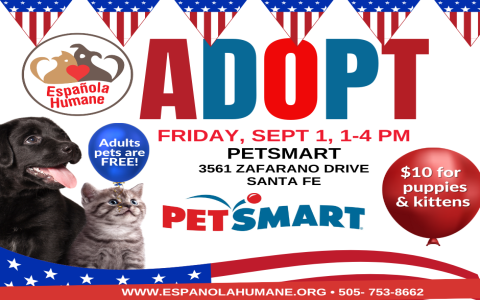
Petsmart works with nearby shelters and rescue groups to offer cats and kittens for adoption. Pets are not sold; instead, the stores host adoption events and provide space for partner organizations to meet the public. This setup keeps the process transparent and welfare-focused.
Adoption Process
The typical steps are:
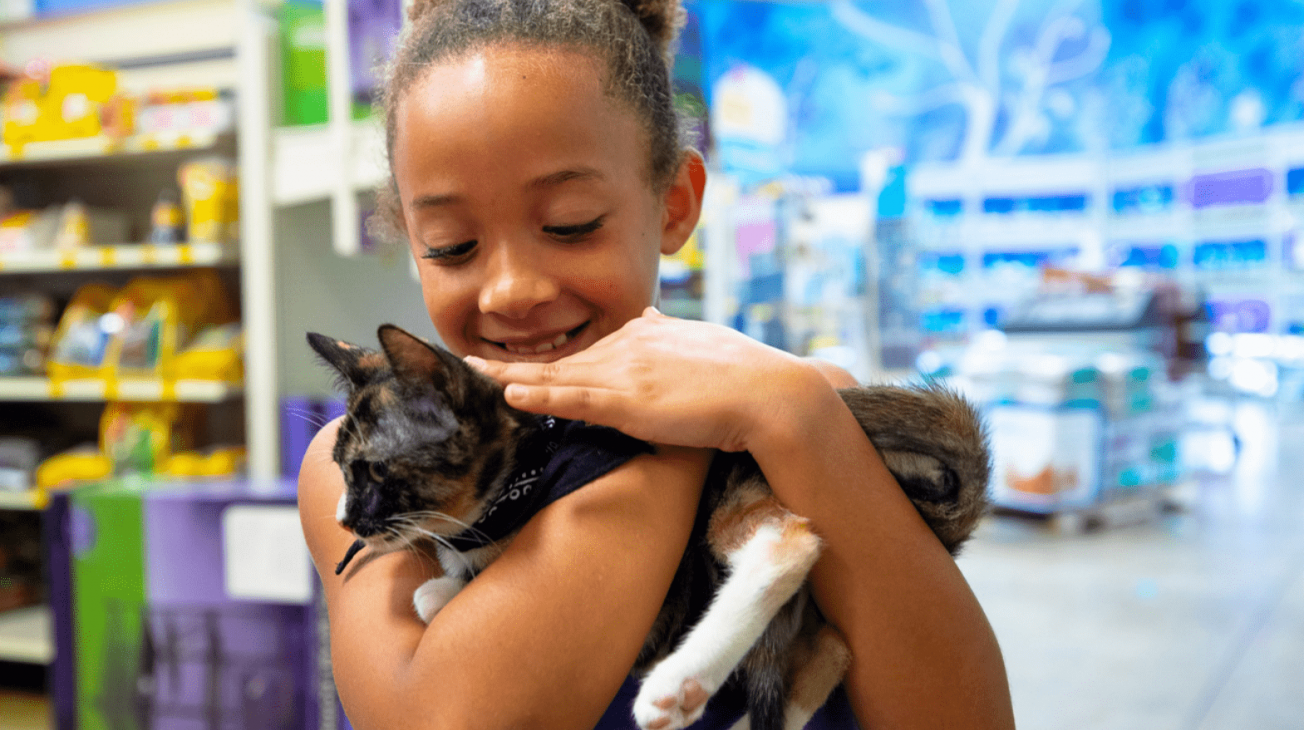
1. Browse: Visitors meet available kittens in designated adoption areas or view photos online.
2. Apply: A short form asks about living arrangements, past pet experience, and plans for the new cat.
3. Chat: A volunteer or store representative talks with the applicant to confirm the match.
4. Home check: Some groups may ask for photos or a quick virtual tour of the living space.
5. Fee: A single payment covers spay/neuter, first vaccines, and microchip insertion.
The Role of Petsmart in Kitten Adoption
The Role of Petsmart in Kitten Adoption
By giving shelters free retail space, Petsmart acts as a bridge between rescue cats and the public. Both sides benefit:
Benefits for Shelters and Rescue Organizations
1. Visibility: Cats stay in high-traffic areas, increasing the chance of adoption.
2. Funds: Adoption fees go straight back to the rescues, helping them save more animals.
3. Resources: Stores supply cages, cleaning products, and promotional support at no cost.
Benefits for Adopters
1. Convenience: Multiple kittens can be met in one trip during normal store hours.
2. Guidance: Volunteers remain available for advice after the adoption is complete.
3. Health: Every kitten is examined, vaccinated, and sterilized before going home.
Challenges and Concerns
Challenges and Concerns
Despite the clear advantages, several issues persist:
Overpopulation
Each year, shelters receive large numbers of unwanted litters. Limited space means difficult choices about housing and care.
Adoption Rates
Kittens are popular, yet many still wait weeks for homes. High fees, long work hours, and preference for specific breeds can slow the process.
Kitten Welfare
Young cats need socialization and medical attention. Understaffed rescues sometimes struggle to provide round-the-clock care, leading to stress or illness.
Improving Kitten Adoption
Improving Kitten Adoption
Several practical steps can raise adoption success:
Increase Public Awareness
Social media posts, school talks, and neighborhood flyers can highlight the rewards of adopting a mixed-breed kitten.
Enhance Shelter Resources
Donations of food, litter, and volunteer hours free up funds for urgent veterinary care.
Streamline Adoption Process
Shorter forms, evening interview slots, and same-day approvals reduce barriers for responsible owners.
Breed Neutrality
Promoting personality over pedigree encourages adopters to choose the kitten that fits their lifestyle, not just the cutest purebred.
Conclusion
Conclusion
Petsmart’s network gives countless kittens a safe showcase, but success depends on continued public support. By spreading the word, donating time or supplies, and keeping an open mind about breed, communities can ensure more young cats leave shelter cages for permanent, loving homes.
The question of Petsmart and kittens is part of a larger conversation about responsible pet ownership. When adoption is easy, affordable, and well-publicized, everyone—cats and people alike—wins.

