

The Impact of Online Shelter Networks on Animal Welfare and Adoption
Introduction
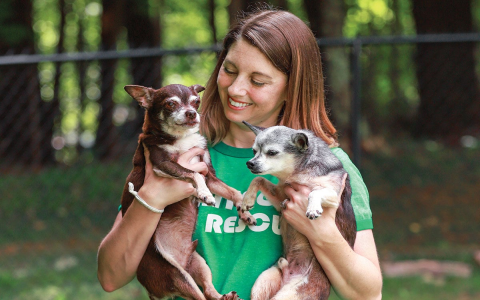
Across many communities, digital platforms that link homeless pets with caring families have become a lifeline for animals and adopters alike. This article examines how one such network operates, the difference it makes in everyday welfare, and the paths it may follow in the years ahead.
The Role of the Network
Establishing a Platform for Adoption
The service acts as a centralized meeting place where shelters list dogs, cats, and small critters in need of homes. By gathering photos, short bios, and care notes in one searchable space, it shortens the journey from rescue to adoption. The result is less crowding in kennels and a quicker route to a warm living-room sofa for each animal.
Community Engagement and Education
Beyond matching pets with people, the platform hosts online guides, low-cost clinic calendars, and social-media tips that encourage spay/neuter choices, routine vet visits, and gentle training methods. When neighbors share these messages, a culture of kindness spreads faster than any single shelter could manage alone.
The Impact of the Network
Reducing Animal Homelessness
By turning curious clicks into real-world meet-and-greets, the site helps move more animals out of shelters and into permanent homes. Each successful adoption frees up kennel space, lowers euthanasia rates, and creates room for the next stray who arrives at the door.
Improving Animal Welfare
Once adopted, pets gain steady meals, soft beds, and medical care that many had never received. The ripple effect is measurable: shinier coats, healthier weights, and calmer behaviors appear in follow-up photos that adopters proudly post online.
Empowering Potential Owners
Clear filters—age, size, energy level, kid-friendly—let future guardians compare choices at their own pace. Articles on budgeting, house-training, and introducing a new pet to resident cats prepare families before they even sign the papers, cutting down on returns and regrets.
The Challenges and Future Prospects
Addressing Overpopulation
Even with steady adoptions, kittens and puppies still arrive faster than homes can be found. The network continues to spotlight prevention: vouchers for sterilization, transport programs that shift surplus litters to regions with empty cages, and reminder campaigns during peak breeding seasons.
Expanding Services
Plans include a mobile-friendly app with real-time alerts when a searched-for breed arrives, virtual meet-and-greet video calls, and post-adoption chat support that answers the inevitable “Is this normal?” questions at midnight.
Conclusion
By turning technology into a matchmaking tool, the platform has already rewritten thousands of life stories—two-leg and four-leg alike. As features evolve and communities stay engaged, its influence on animal welfare is poised to grow even further.
Recommendations and Future Research
To keep momentum strong, stakeholders might consider:
-Forging tighter data links among shelters so no pet is listed twice or missed entirely.
-Adding behavior-assessment notes and short training videos to set adopters up for success.
-Running seasonal micro-campaigns that remind the public to spay, neuter, and adopt rather than shop.
Researchers could explore:
-Long-term retention rates and the health trends of adopted animals five years later.
-Which profile photo angles or story lengths most often lead to a successful click-to-adopt pathway.
-How artificial-intelligence matching tools could further shorten the wait time for both pets and people.
Pursuing these practical steps and studies will help online adoption networks continue saving lives, one click at a time.

