

The Complete Companion Animal Guide: Choosing and Caring for Pets
Introduction
Sharing life with an animal can bring daily joy, comfort, and a deeper connection to nature. Whether you prefer an energetic playmate or a quiet observer, the right companion can fit almost any lifestyle. This overview introduces popular pet groups, highlights their needs, and emphasizes thoughtful, lifelong care.
A Quick Look at Common Pet Categories
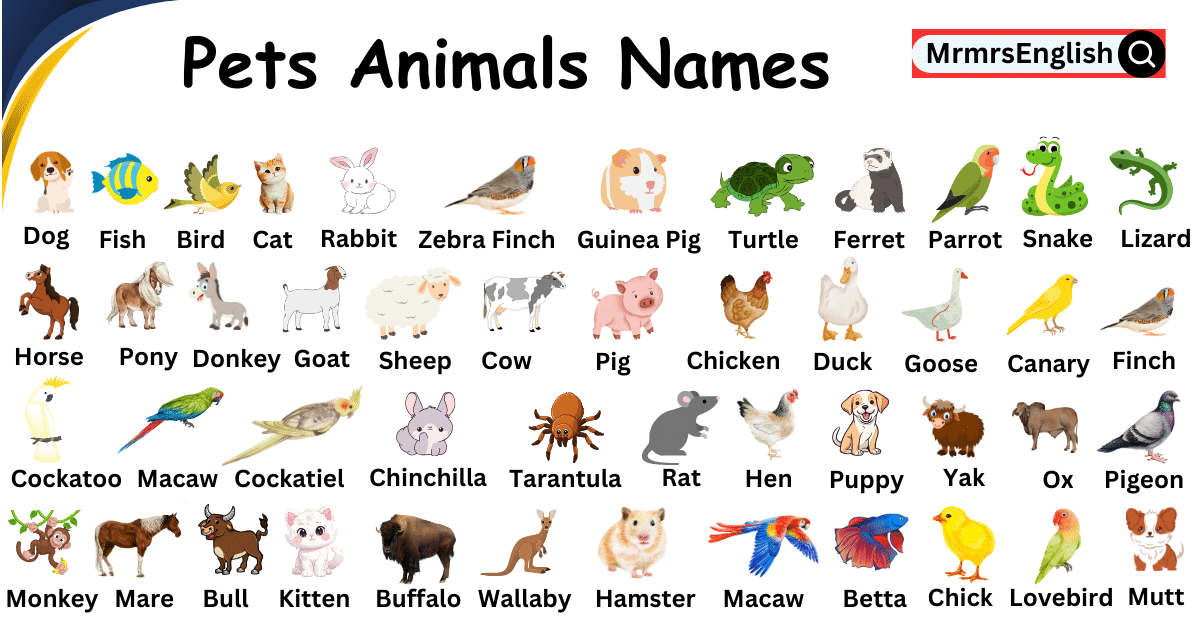
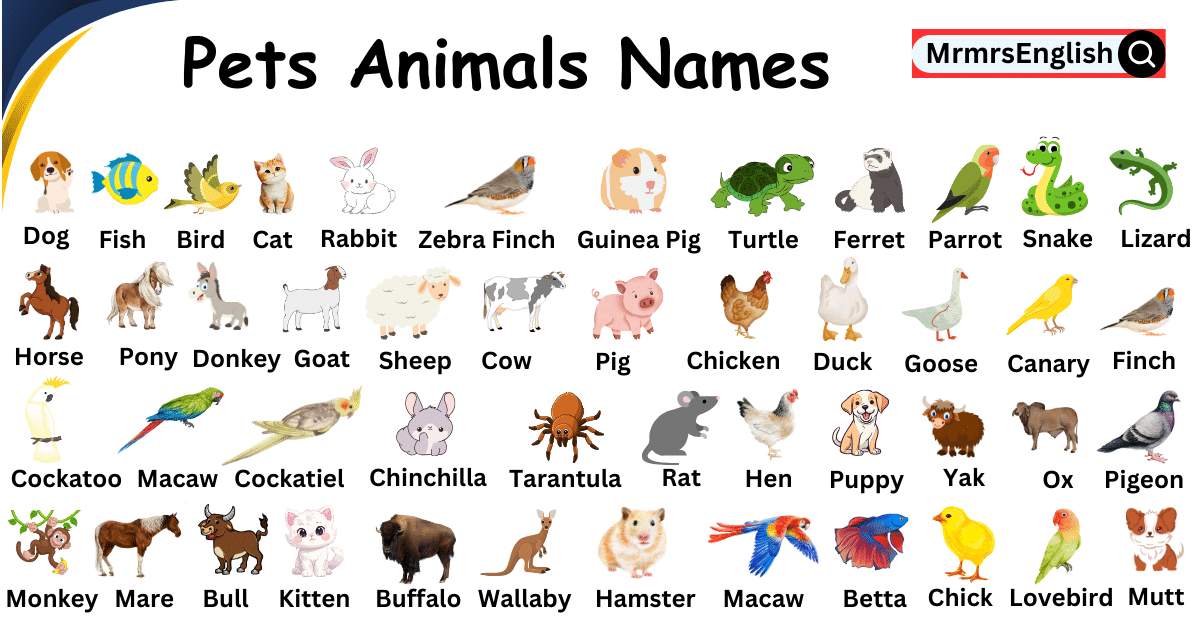
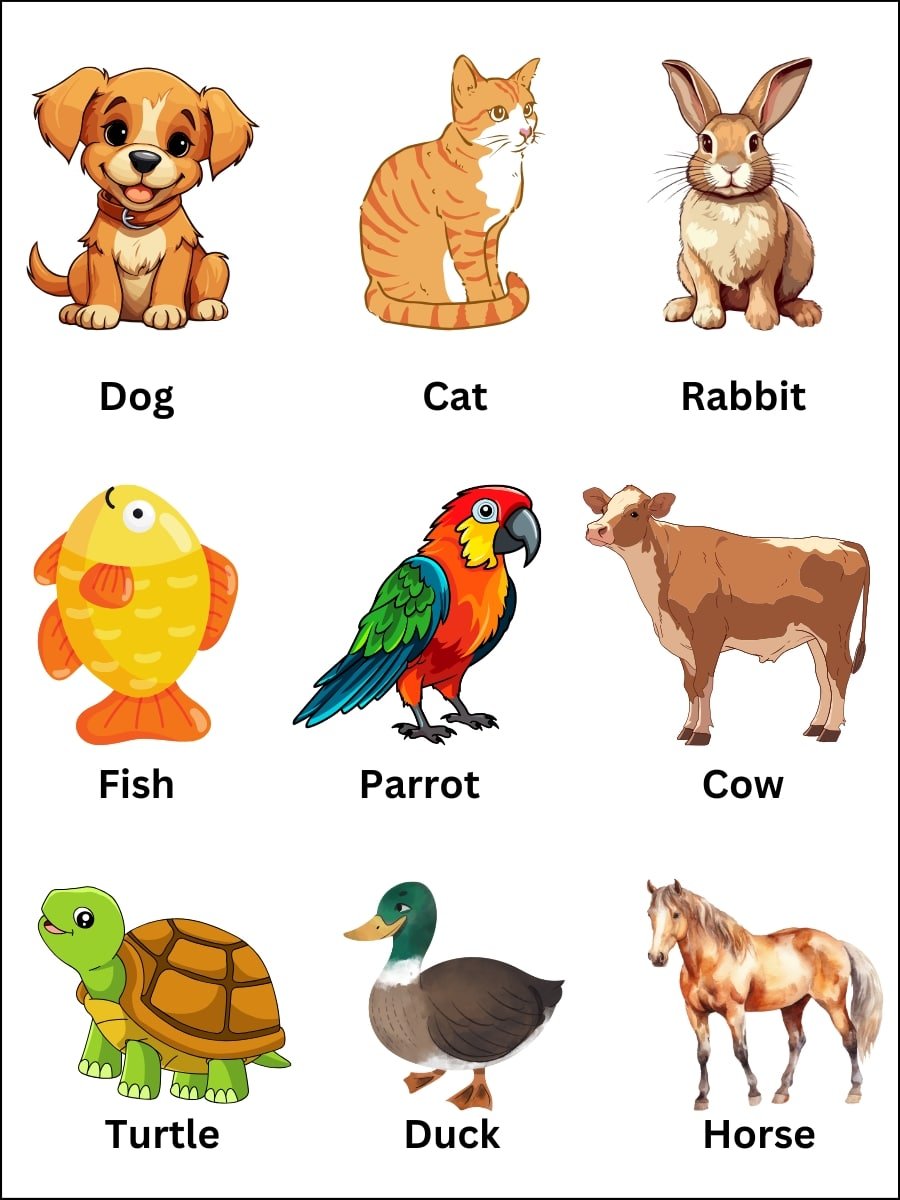
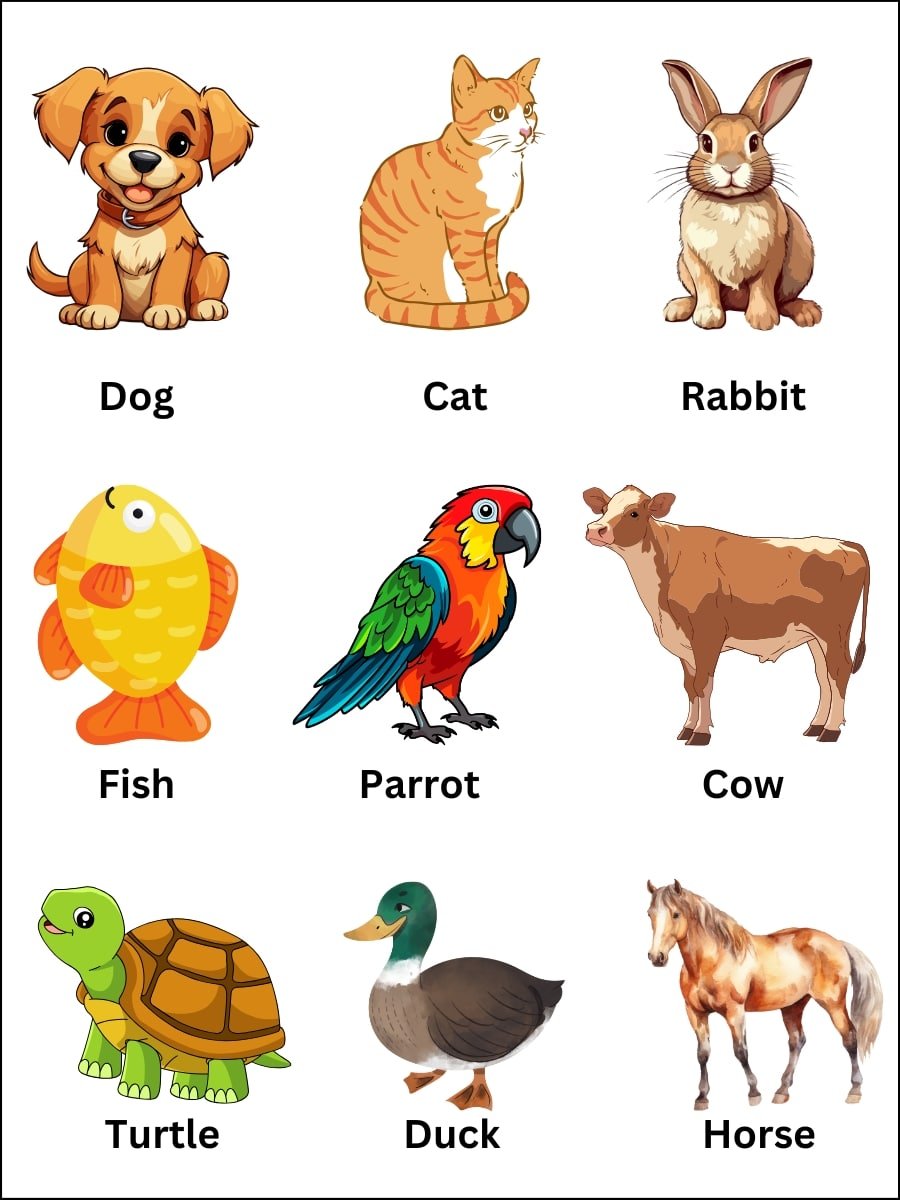
Household pets generally fall into six main groups: dogs, cats, birds, fish, reptiles, and small mammals. Each category offers a spectrum of sizes, personalities, and care levels, allowing future owners to match a pet to their schedule, space, and experience.

Dogs: Devoted Companions
Dogs have shared human homes for thousands of years. Breeds range from tiny toy types to powerful working dogs, yet most share a desire to bond with people through play, walks, and simple together time.
Why People Choose Dogs
A dog can motivate daily exercise, provide steady affection, and serve as a social bridge during neighborhood walks. Many owners also enjoy teaching tricks or sports that challenge the dog’s mind as well as their own.
Basic Care and Guidance
Daily activity, quality food, routine vet visits, and kind, consistent training form the cornerstones of canine well-being. Positive-reinforcement classes help prevent problem behaviors and strengthen the human-animal bond.

Cats: Independent Friends
Cats often entertain themselves yet still seek human company on their own terms. Short-haired and long-haired varieties, purebred or mixed, offer a wide choice of coat colors and temperaments.
Rewards of Life With Cats
A purring cat on the sofa can lower stress after a busy day. Their litter-box habits and self-grooming also make them well-suited to indoor living and smaller homes.
Maintenance Tips
Regular brushing reduces shedding and hairballs. Fresh water, balanced meals, clean litter, and annual health checks keep cats content. Scratching posts and safe toys satisfy natural instincts indoors.

Birds: Feathered Entertainers
From tiny finches to talkative parrots, birds add color, sound, and movement to a room. Each species differs in noise level, lifespan, and social needs, so research is essential before bringing one home.
Enjoying Avian Company
Many birds greet owners with chirps or mimic household sounds. Watching their playful exploration of swings, ladders, and foraging puzzles can be surprisingly relaxing.
Housing and Enrichment
A spacious cage placed in a lively area, daily fresh food, and rotated toys prevent boredom. Out-of-cage time in a secure space allows exercise and strengthens trust.

Fish: Underwater Tranquility
An aquarium can become a living piece of art. Community tropical tanks, cold-water goldfish setups, or vibrant reef systems each offer a different level of interaction and maintenance.
Benefits of an Aquarium
Gentle bubbling and graceful swimming motions create a calming focal point in homes or offices. Fishkeeping also introduces children to basic water chemistry and responsible routines.
Tank Upkeep Essentials
Stable temperature, proper filtration, regular partial water changes, and species-appropriate feeding keep fish healthy. Testing water parameters helps prevent common problems before they start.
Reptiles: Quiet Observers
Lizards, snakes, and turtles appeal to those fascinated by biology and habitat design. Because they cannot regulate their own body temperature, they rely on carefully controlled enclosures.
Appeal of Reptile Keeping
Designing a desert, rainforest, or aquatic terrarium offers a creative outlet. Many reptiles have long lifespans and calm demeanors, making them suitable for gentle handling.
Specialized Care
Heat gradients, UV lighting, humidity gauges, and species-specific diets are non-negotiable. New keepers should study reputable guides and join hobby groups to stay updated on best practices.
Small Mammals: Gentle and Approachable
Rabbits, guinea pigs, hamsters, and rats often serve as a child’s first pet because of their size and endearing behaviors. Each type still has distinct housing, social, and dietary requirements.
Why They’re Popular
These animals usually need less space than dogs or cats and can be kept indoors year-round. Many enjoy being hand-fed or learning simple agility courses.
Key Husbandry Points
Roomy cages, daily spot-cleaning, chew toys, and companionship (often from a same-species friend) prevent boredom. Gentle, regular handling from an early age builds confidence and ease around people.
Responsible Pet Guardianship
Choosing any companion should begin with honest reflection on time, budget, and future lifestyle changes. Core duties include:
– Learning species-specific needs before purchase or adoption.
– Providing safe housing, mental stimulation, and affection.
– Budgeting for food, bedding, and lifelong veterinary care.
– Respecting local regulations and considering ecological impacts of pet keeping.
Conclusion
From playful puppies to serene fish, the animal kingdom offers a wealth of companions ready to share our homes. Matching the right pet to the right person, then committing to consistent, compassionate care, ensures a rewarding relationship for both species. Thoughtful choices today lead to healthier pets and happier households tomorrow.

