

Title: Why Does My Cat’s Coat Look Greasy? A Practical Guide to Causes and Care
Introduction:
Many cat lovers notice that their pet’s coat sometimes looks unusually slick or oily. While a little shine is normal, excessive greasiness can signal anything from a simple grooming gap to a subtle health shift. This guide walks you through the most common reasons for that oily appearance and offers gentle, effective ways to restore a soft, balanced coat.
Understanding Greasy Fur: Causes and Effects
1. Overactive Oil Glands:
A cat’s skin contains tiny sebaceous glands that release natural oils to keep hairs supple. If these glands work overtime, the coat can feel slick or look clumpy. Vets sometimes call this mild seborrhea.

2. Nutrition Balance:
Coat quality starts at the food bowl. Diets short on healthy fats—especially omega-3 and omega-6—can upset skin balance, prompting either dryness or a rebound oil slick.
3. Allergies or Irritated Skin:
Itchy skin triggered by pollen, dust, or flea bites can inflame hair follicles and throw oil production off schedule. The result is often a greasy feel paired with frequent scratching.
4. Grooming Habits:
Too many baths, or products meant for humans, can strip natural protection and cause the skin to panic-produce oil. On the flip side, inadequate brushing lets dead hair trap oils close to the skin.
5. Breed Traits:
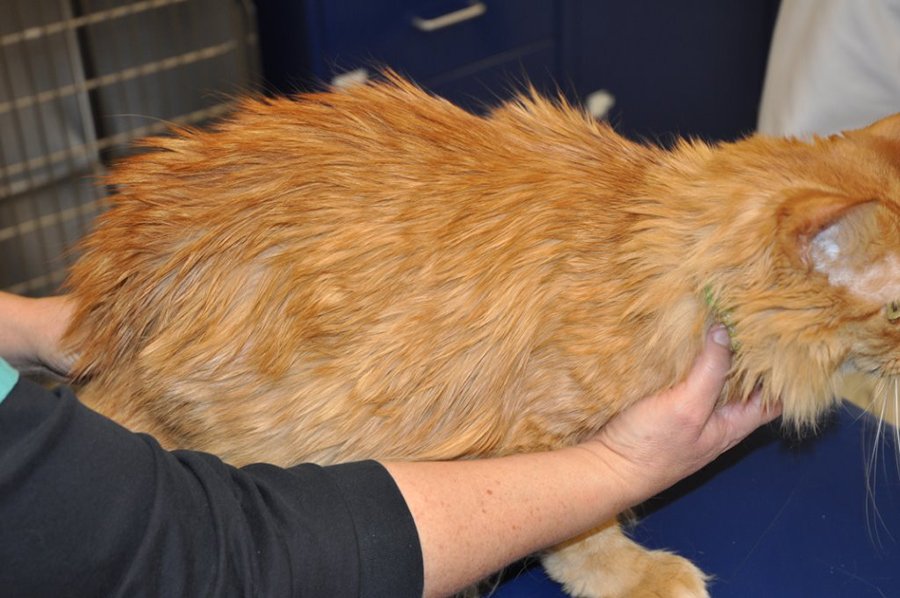
Long-haired or dense-coated breeds naturally carry more oils simply because there’s more fur to coat. Without extra brushing, these breeds can look greasy faster than short-haired cousins.
Addressing Greasy Fur: Solutions and Recommendations
1. Feed for Coat Health:
Offer a complete, balanced meal that lists animal protein first and includes sources of omega fats. If you’re unsure which brand or topper fits your cat, ask your vet for a recommendation.
2. Brush, Then Brush Some More:
A few minutes of gentle brushing every day distributes oils along the hair shaft, removes dust, and prevents tangles that can trap grease. Silicone brushes or wide-tooth combs work well for most coats.
3. Keep Parasites and Allergens Away:
Stay on year-round flea control and wash bedding in hot water weekly. If you spot constant ear flicking or paw chewing, schedule a check-up to rule out environmental allergies.
4. Bathe Sparingly:
Most indoor cats need a bath only when they get into something sticky or smelly. When you do bathe, use a mild, feline-specific shampoo and follow with a diluted vinegar rinse to restore pH.
5. Pick the Right Products:
Skip human shampoos, dish soaps, or strong fragrances. Look for labels that say “pH balanced for cats” and contain soothing ingredients such as oatmeal or aloe.

6. Schedule Routine Vet Visits:
An annual exam (or biannual for seniors) helps catch hormone imbalances, thyroid quirks, or skin infections before they show up as a greasy coat.
Conclusion:
A glossy coat is a sign of good health, but too much grease can hint at diet, grooming, or medical hiccups. By feeding wisely, brushing regularly, and seeking veterinary advice when the coat changes, you’ll help your feline friend stay sleek in the right way—naturally vibrant, never oily.

