

The Impact of Store-Sponsored Pet Adoption on Shelters and Communities
Introduction
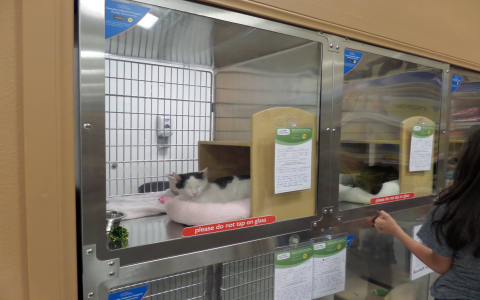
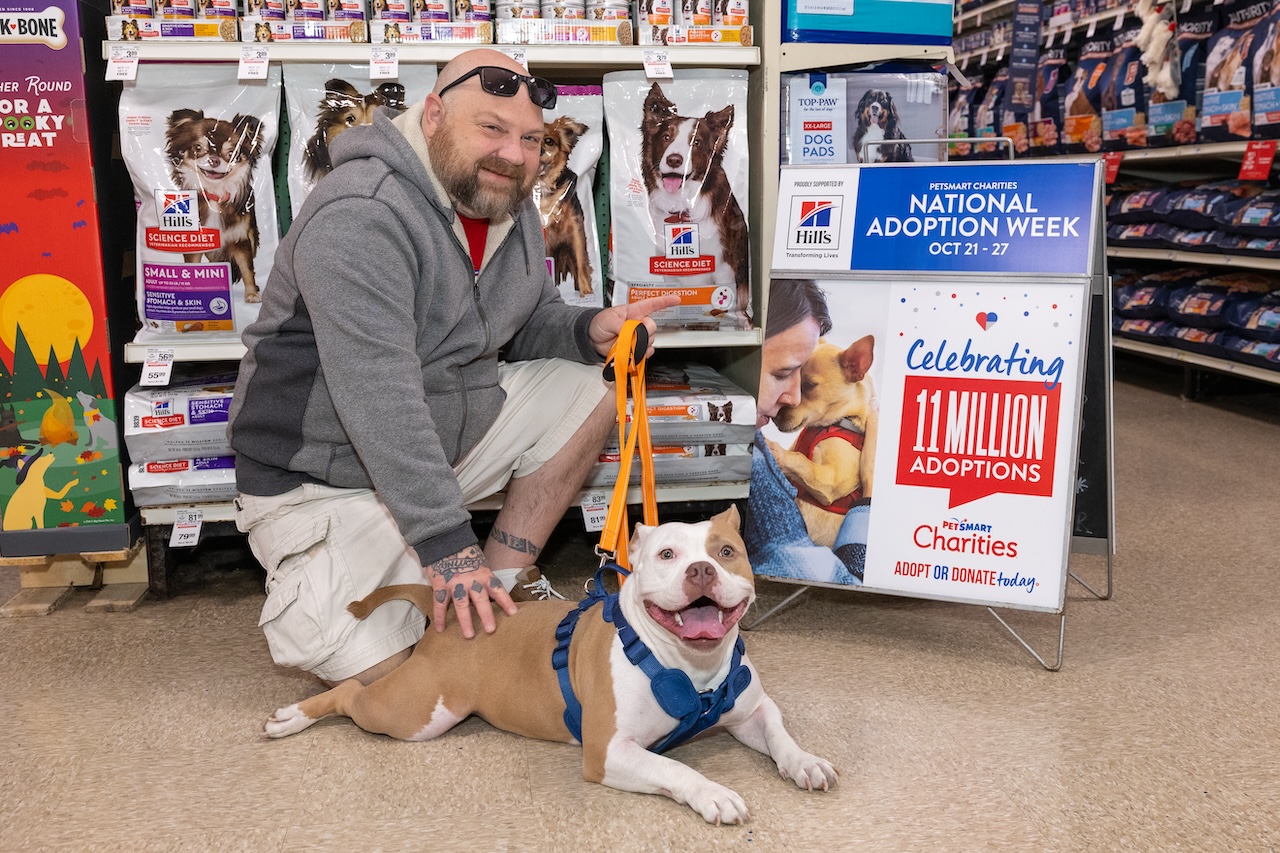
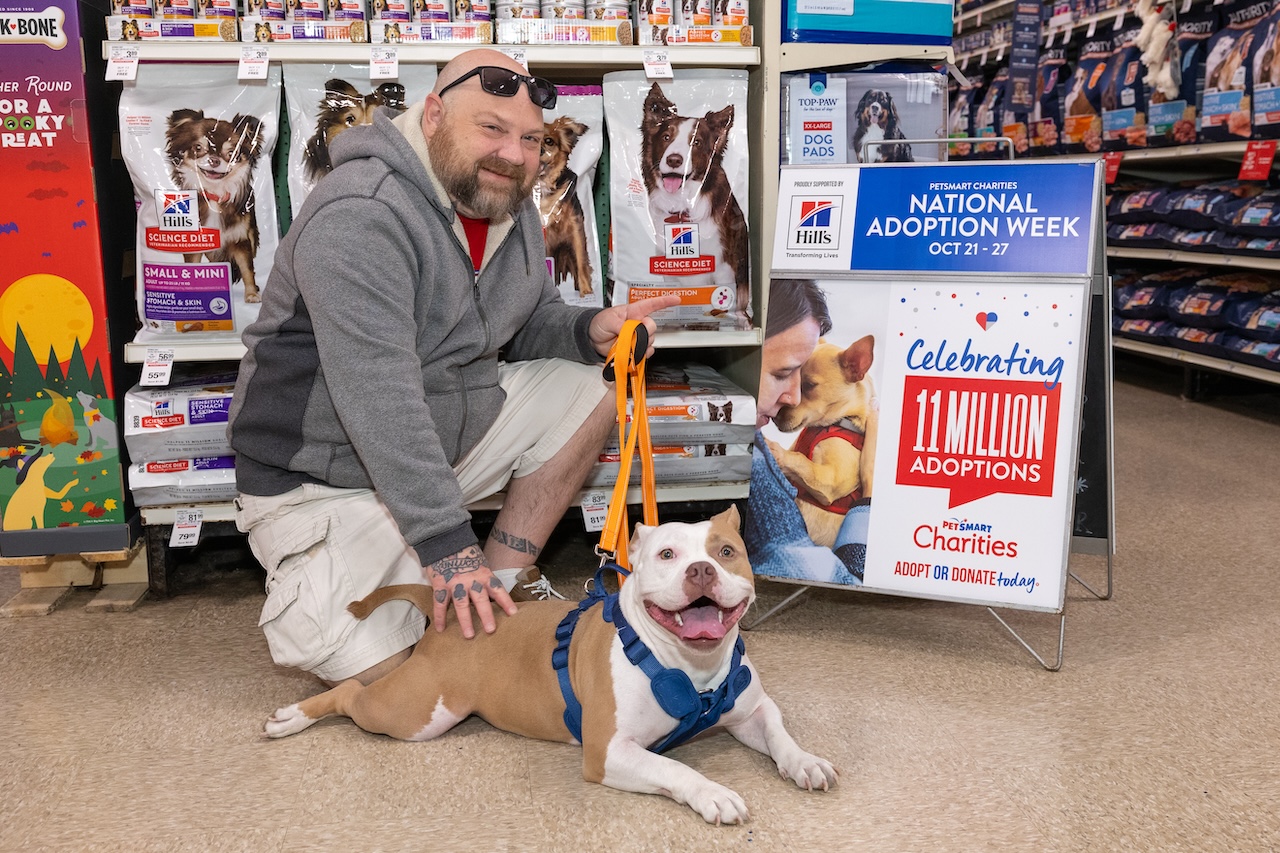
Adopting, rather than shopping, has become a popular choice for families looking to welcome a new companion. Nationwide adoption events hosted inside pet-supply stores play a major part in this shift. This article examines how these store-driven programs ease shelter crowding, raise welfare standards, and strengthen neighborhood ties.
The Role of Store-Sponsored Adoption Events
Reducing Pet Overpopulation
Every year, millions of dogs and cats enter shelters, and space limitations force many to be euthanized. In-store adoption weekends give homeless animals daily visibility among shoppers, moving more pets into permanent homes and slowing the cycle of unwanted litters.
Improving Animal Welfare
Partner shelters provide veterinary checks, vaccinations, and behavior screening before any pet steps onto the adoption floor. This safety net ensures animals leave healthy, well-socialized, and ready for family life, cutting future medical and training costs for adopters.
Fostering Community Engagement
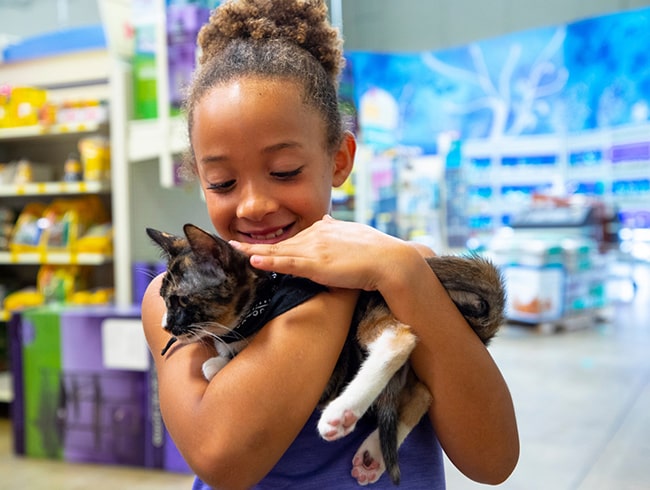
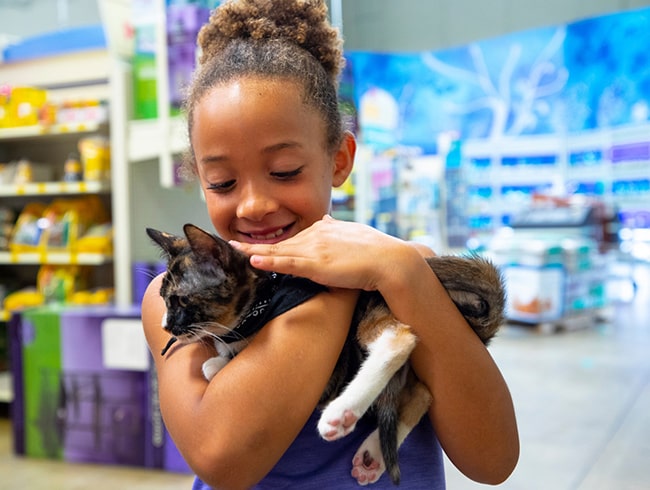
Meet-and-greet pens, kid-friendly handouts, and volunteer sign-up sheets turn routine errands into community moments. Shoppers who stop to pet a kitten often leave as donors, foster parents, or weekend dog-walkers, weaving compassion into everyday life.
The Impact on Shelters
Increased Adoption Rates
Visibility inside a busy retail space accelerates adoptions, freeing kennels for the next incoming animal. Shelters that join these events consistently report shorter average stays and fewer euthanasias due to overcrowding.
Enhanced Resources
Retail partners routinely donate food, bedding, and gift-card grants, while corporate volunteers run adoption drives and cleaning days. The extra supplies and labor allow shelters to redirect limited funds toward spay/neuter clinics and outreach programs.
Improved Public Perception
Seeing healthy, happy pets in a bright store setting replaces outdated images of gloomy kennels. Positive first-hand experiences encourage more residents to choose adoption and to view their local shelter as a community asset rather than a last resort.

The Impact on Communities
Enhanced Community Health
Fewer stray animals mean fewer bite incidents, lower transmission of parasites, and reduced strain on animal-control officers. A stabilized population keeps neighborhoods cleaner and safer for both people and wildlife.
Economic Benefits
Every adopted dog or cat generates years of local spending on food, grooming, training, and veterinary care. Meanwhile, lower shelter intake cuts municipal costs related to impoundment, medical care, and euthanasia.
Social Benefits
Shared adoption stories, dog-training classes, and park meet-ups create natural social networks. Pets become conversation starters, helping newcomers feel at home and long-time residents build stronger block-by-block relationships.
Conclusion
Store-hosted adoption campaigns tackle pet overpopulation, elevate welfare standards, and knit communities together. By boosting adoption rates, channeling resources to shelters, and reshaping public attitudes, these programs serve animals and people alike. Continued support and expansion of such initiatives promise even broader benefits in the years ahead.
Recommendations and Future Research
To maximize results, stakeholders should:
1. Run year-round marketing that highlights adoption success stories and responsible pet care.
2. Offer standardized training for shelter staff and volunteers on animal handling and customer service.
3. Recruit local businesses to sponsor adoption fees, supply drives, or spay/neuter vouchers.
4. Track adopted animals for health and behavior outcomes, creating data that refine future programs.
Future studies could explore:
1. Which on-site event formats produce the highest adoption rate per visitor.
2. Long-term medical and behavioral trends among pets adopted at retail venues.
3. The ripple effects of pet adoption on neighborhood cohesion and local spending.


