The Impact and Importance of Dog Shelters: A Comprehensive Analysis
Introduction
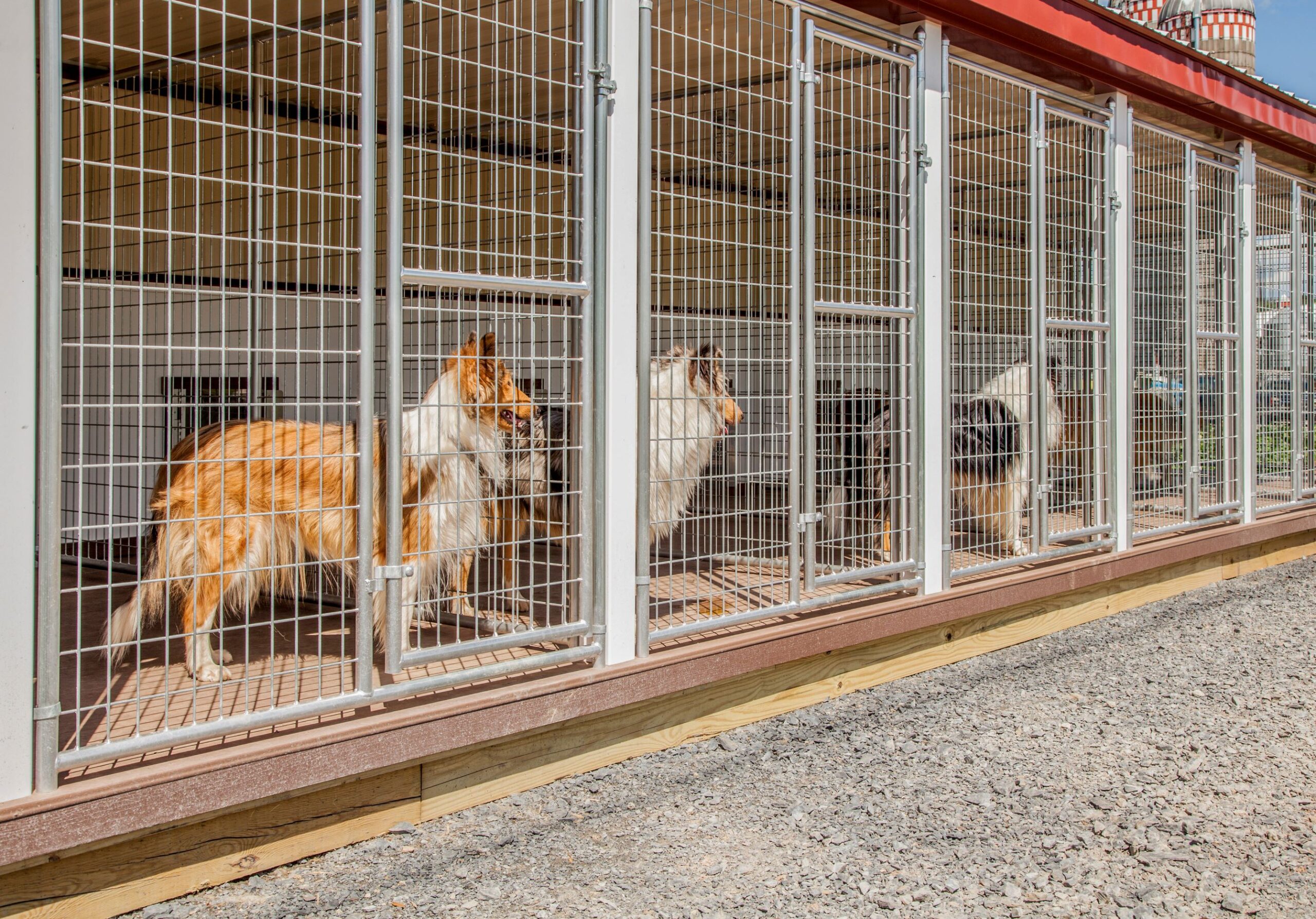
Dog shelters serve as vital havens for abandoned, lost, or surrendered dogs, forming a cornerstone of animal welfare. This overview examines why these facilities matter, how they function, and the broad benefits they bring to neighborhoods everywhere. By tracing their development, obstacles, and achievements, we can better appreciate the steady support they provide to countless animals and the people who care about them.
The Evolution of Dog Shelters
Early Beginnings
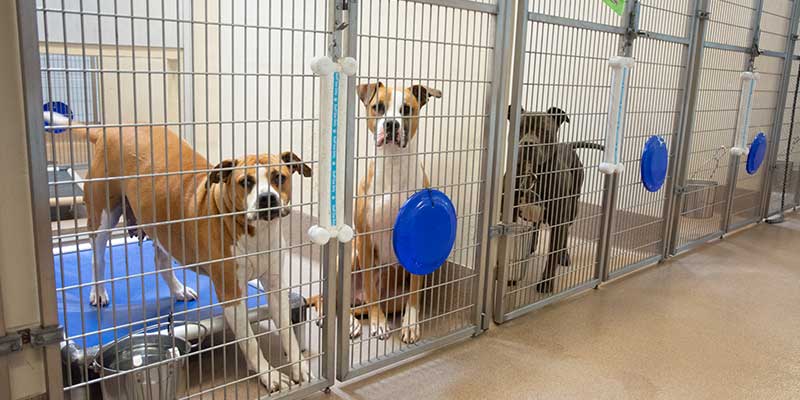
Organized refuges for dogs first appeared in the nineteenth century, created by citizens who saw the need to protect animals from neglect. What began as simple sanctuaries gradually expanded into structured centers offering medical attention, adoption services, and outreach lessons for the public.
Modern Dog Shelters
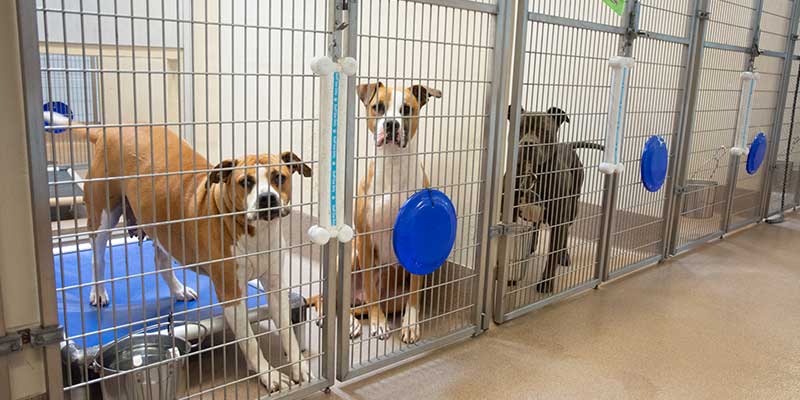
Contemporary shelters now feature improved housing, veterinary suites, and behavior programs. These upgrades allow staff to meet physical and emotional needs more effectively while preparing dogs for life in new homes.
The Role of Dog Shelters in Society
Animal Welfare
Shelters supply food, safe quarters, and health care, shielding dogs from the dangers of life on the streets. This protection boosts individual well-being and helps stabilize the wider canine population.
Community Engagement
Through adoption fairs, school talks, and volunteer projects, shelters invite residents to take an active role in animal care. Such involvement nurtures responsible ownership and can lower the number of pets relinquished in the future.
Economic Impact
Facilities generate employment, attract donations, and partner with local suppliers, circulating funds within the region. Their events also draw visitors who support nearby businesses, creating a modest but steady economic ripple.
Challenges Facing Dog Shelters
Overpopulation
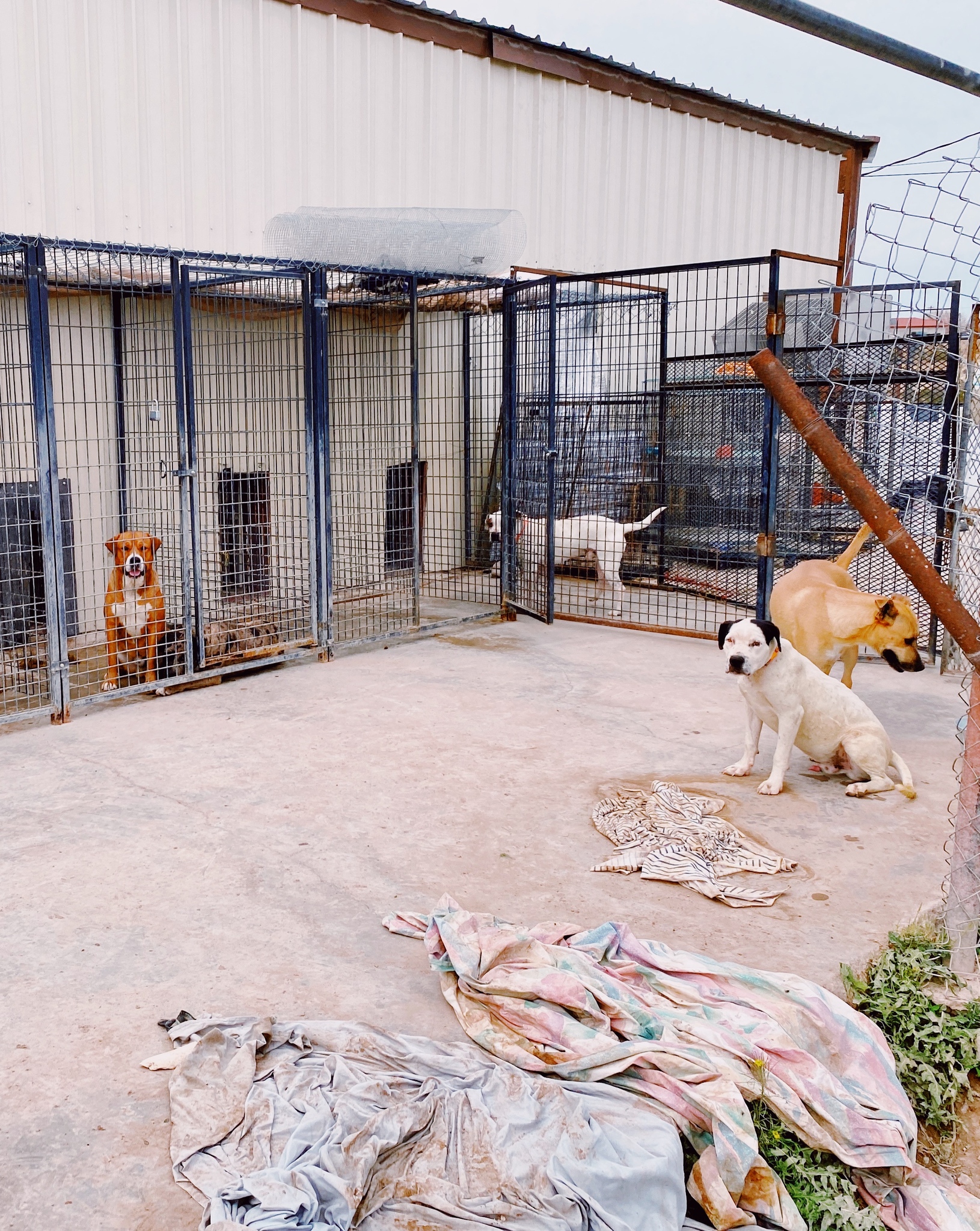
High intake numbers strain kennel space, staff time, and medical supplies. Crowded conditions can heighten stress and the spread of illness, complicating daily care.
Funding and Resources
Operating costs for food, medicine, utilities, and salaries depend on fluctuating donations and modest fees. Budget uncertainty makes long-term planning difficult.
Public Perception
Some still view shelters as grim last stops rather than positive community assets. Shifting this image is essential for attracting adopters, donors, and volunteers.
The Benefits of Dog Shelters
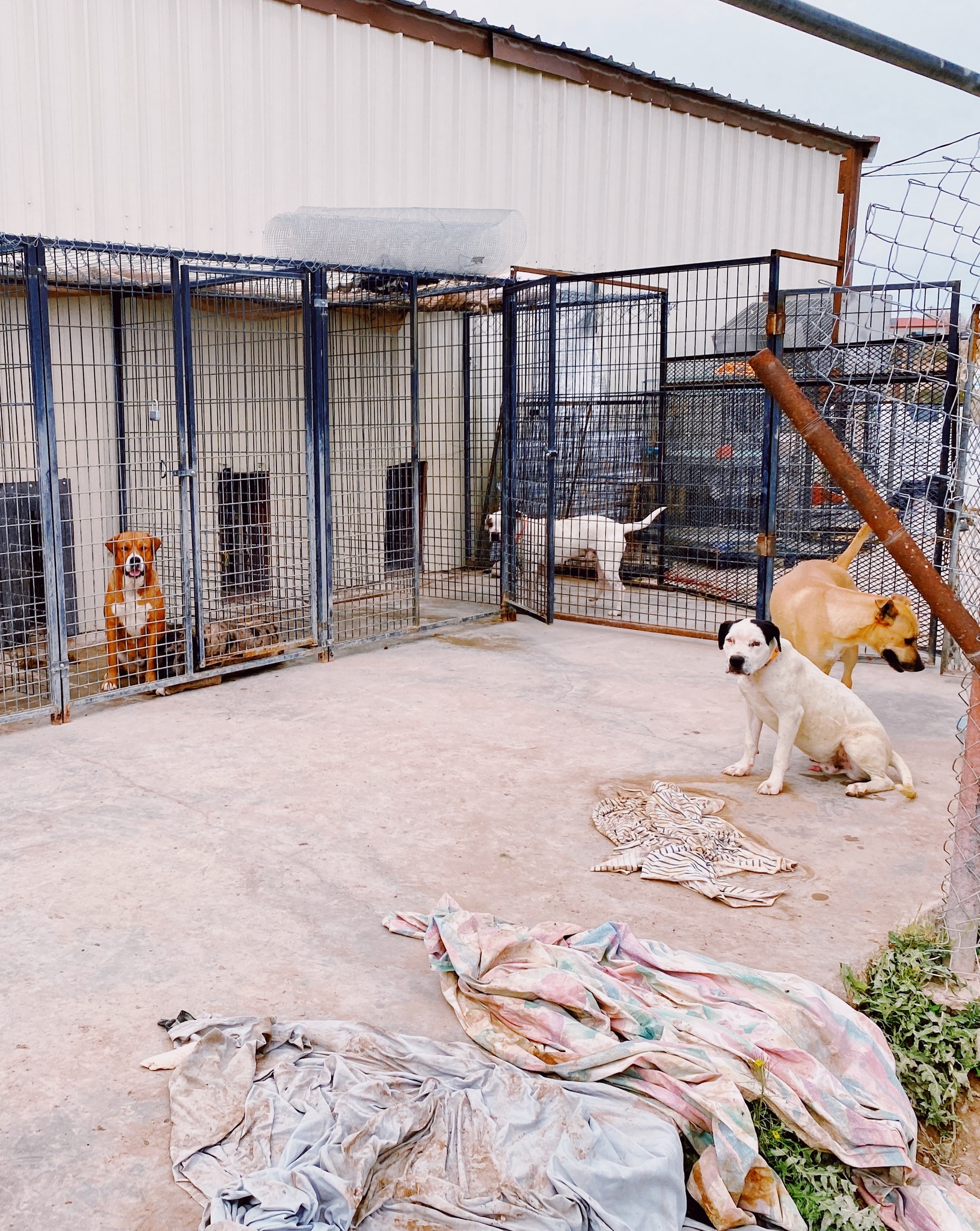
Adoption Success Stories
Each dog placed in a loving home demonstrates the dedication of caregivers and the resilience of the animals. These happy endings encourage others to choose adoption.
Education and Advocacy
Workshops, printed guides, and social media posts teach topics such as training, nutrition, and the importance of sterilization. Informed owners are less likely to surrender pets.
Collaboration and Networking
Shelters routinely share supplies, transport animals, and exchange expertise with rescue groups, veterinarians, and trainers. Joint efforts multiply available resources and spark creative solutions.

Conclusion
Dog shelters remain indispensable, offering safety, medical care, and second chances to animals while inspiring compassion among people. By tackling issues like overpopulation, funding gaps, and outdated stereotypes, these centers can continue to strengthen the bond between humans and dogs.
Recommendations and Future Research
To boost their impact, shelters can:
1. Run visible campaigns that highlight the benefits of spaying and neutering.
2. Form alliances with local enterprises for steady in-kind donations or sponsorships.

3. Expand school and neighborhood programs that model responsible guardianship.
Areas ripe for study include:
1. Long-term health and behavior trends of adopted shelter dogs.
2. Comparative effectiveness of intake-reduction strategies across different communities.
3. Emotional well-being of staff, volunteers, and adopters who work closely with shelter animals.
Pursuing these steps and investigations will help ensure that shelters keep shining as beacons of hope for dogs and the communities that welcome them.