

Title: The Labradoodle Craze: A Friendly Guide to Bringing One Home
Introduction
The Labradoodle—a happy blend of Labrador Retriever and Poodle—has trotted into hearts everywhere. Celebrated for low-shed coats, sunny personalities, and quick wits, these dogs suit many lifestyles. This overview walks you through what to expect before welcoming a Labradoodle puppy into your life, from background basics to everyday care.
History of the Labradoodle
The mix first appeared in the late twentieth century when breeders sought a guide dog less likely to trigger allergies. Early successes sparked global interest, and today the Labradoodle is a common sight in parks, suburbs, and city sidewalks alike.
Characteristics of Labradoodles
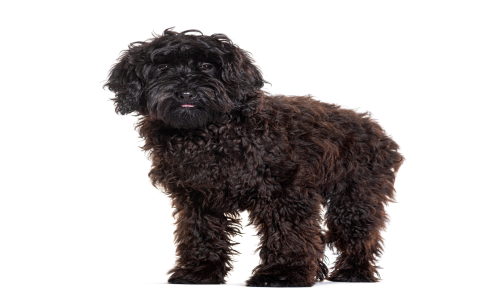
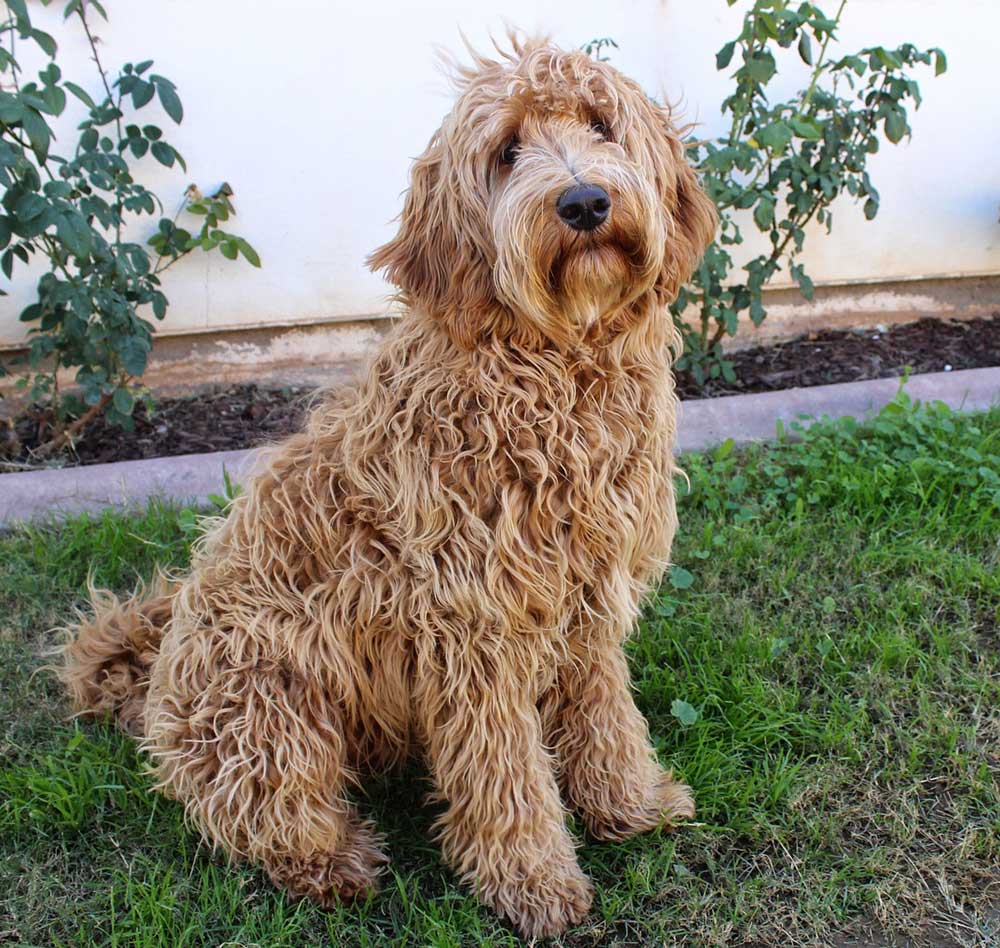
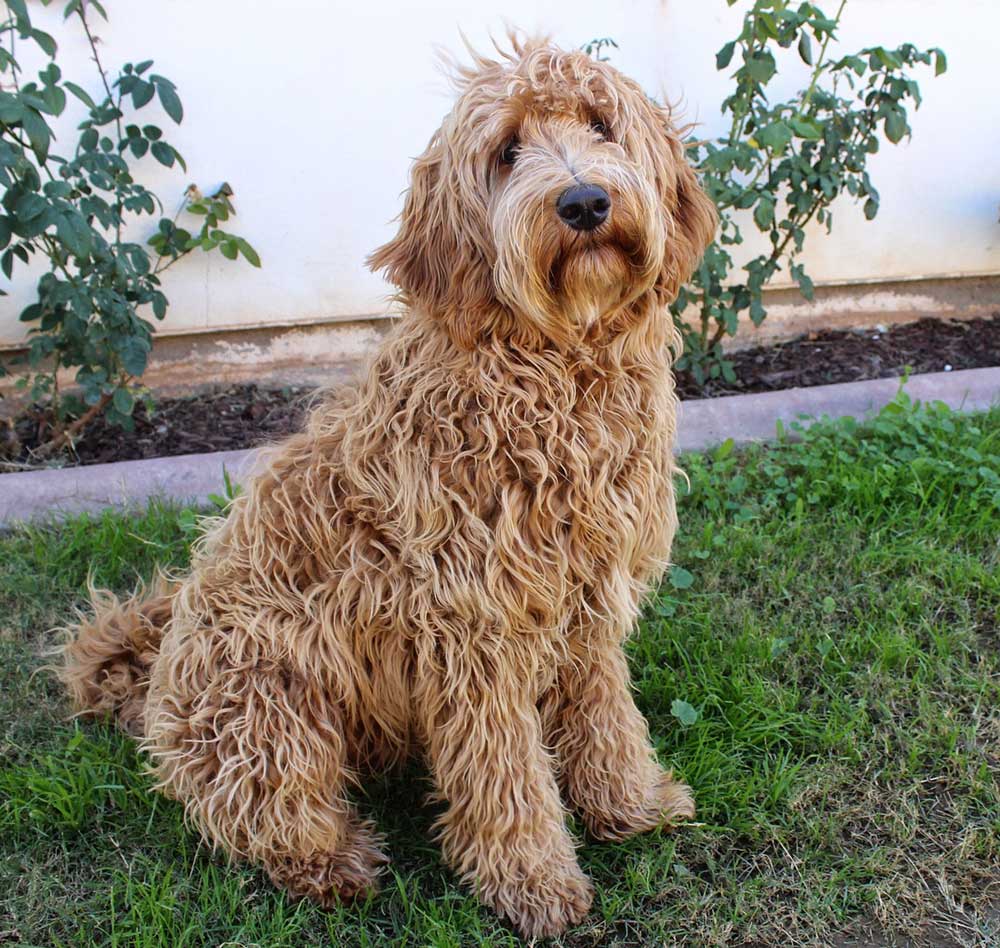
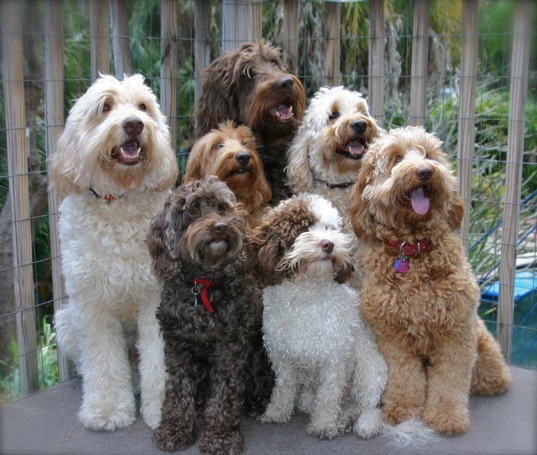
Most Labradoodles fall into three size ranges: standard, medium, and miniature. Coats may be curly, wavy, or straight, and colors vary from cream and apricot to chocolate, black, or parti patterns. They are sociable, eager to learn, and thrive on daily play. Routine exercise keeps their bodies and minds in good shape.
Thanks to their Poodle heritage, many inherit a coat that sheds less than typical double-coated breeds, making housekeeping simpler and allergy management easier for some households.
Benefits of Owning a Labradoodle
Beyond reduced shedding, these dogs excel at bonding with people. Their intelligence means they pick up cues quickly, whether learning basic manners, tricks, or assistance tasks. They usually greet guests with a wagging tail and adapt well to children, other dogs, and active singles alike.
Consistent exercise and mental stimulation turn a Labradoodle into a calm, affectionate companion happy to join family outings or curl up for movie night.
Finding a Labradoodle Puppy
When you start your search, keep these points in mind:
1. Responsible Source: Look for breeders or foster-based rescues that raise puppies indoors, provide vet records, and welcome questions.
2. Health Records: Expect documentation of first vaccines, deworming, and a written health guarantee covering hereditary issues.
3. Meet the Parents: Observing at least the mother helps you gauge future size, coat type, and temperament.
4. Socialization: Puppies handled by different people and exposed to everyday sounds adapt faster to new homes.
5. Budget: Prices vary by region, pedigree, and coat traits. Avoid “bargain” ads that skip health testing; they often cost more later in vet bills.
Considerations for Potential Owners
Before the puppy arrives, ask yourself:
1. Daily Schedule: Can you offer brisk walks, play sessions, and grooming several times a week?
2. Allergies: Spend time with an adult Labradoodle first to confirm everyone in the home remains comfortable.
3. Living Space: A small yard works if you commit to regular outings; otherwise, nearby parks or open fields are essential.
4. Training Plan: Puppy classes, short daily lessons, and positive reinforcement set the stage for polite adult manners.
Conclusion
Labradoodles combine low-shed coats, trainability, and a people-loving spirit. Choosing a caring source and preparing for exercise, grooming, and training paves the way for a rewarding friendship.
With realistic expectations and steady care, a Labradoodle can become the cheerful, tail-wagging heart of your household for years to come.
In short, if you want an active, affectionate partner who learns quickly and sheds less, the Labradoodle might be the perfect fit—ready to join your adventures and share quiet moments alike.


