


Beagle and Shepherd Mix: A Comprehensive Analysis
Introduction
The Beagle and Shepherd mix, often called the Beagle Shepherd, is a well-liked crossbreed that blends qualities from both the Beagle and the Shepherd. This hybrid appeals to many households because of its balanced personality and manageable size. The following overview explores its background, temperament, health outlook, and daily care so prospective owners can decide whether this lively companion fits their lifestyle.
Origin and Genetic Makeup
This mix is produced by crossing a Beagle with a Shepherd-type dog. Beagles contribute a compact frame, expressive ears, and an exceptional nose, while Shepherds add keen intelligence and a strong work drive. The resulting puppies inherit a varied blend of physical and behavioral traits from each side.
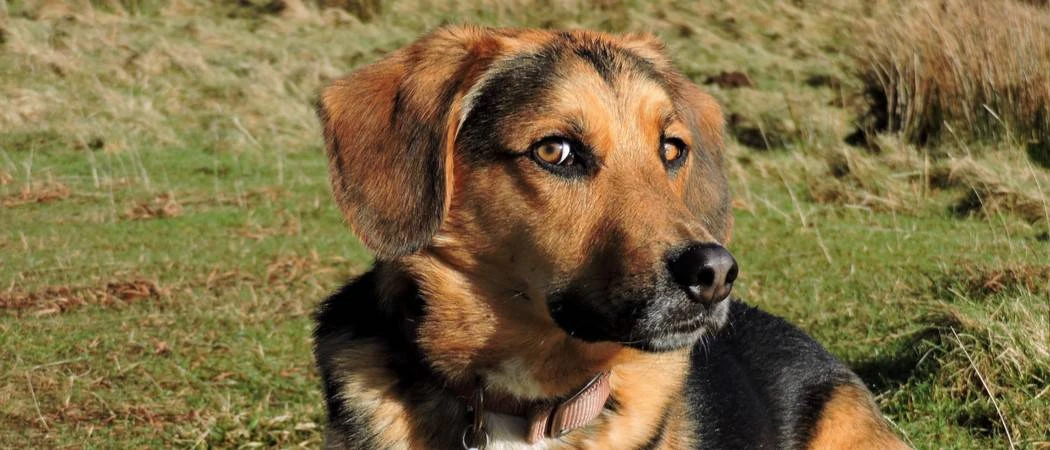
Genetically, the cross combines scent-hound curiosity with herding-dog focus. Most offspring display the Beagle’s sociable streak and scenting skill alongside the Shepherd’s loyalty and vigilance, creating a dog that is both people-oriented and alert to its surroundings.
Temperament
Beagle Shepherds are generally friendly, bright, and anxious to join family activities. They usually get along with children and other pets when socialized early. Energy levels run high, so daily walks, interactive games, or jogging sessions are recommended to prevent boredom.
Intelligence makes training possible, but an independent streak inherited from the hound side can add spice to lessons. Short, upbeat sessions paired with rewards yield the best results.
Health
Like any dog, this mix can face joint issues, skin sensitivities, or occasional seizures. Routine vet visits, weight control, and responsible breeding reduce many risks. Owners should request health clearances for hips, elbows, and eyes when choosing a puppy.
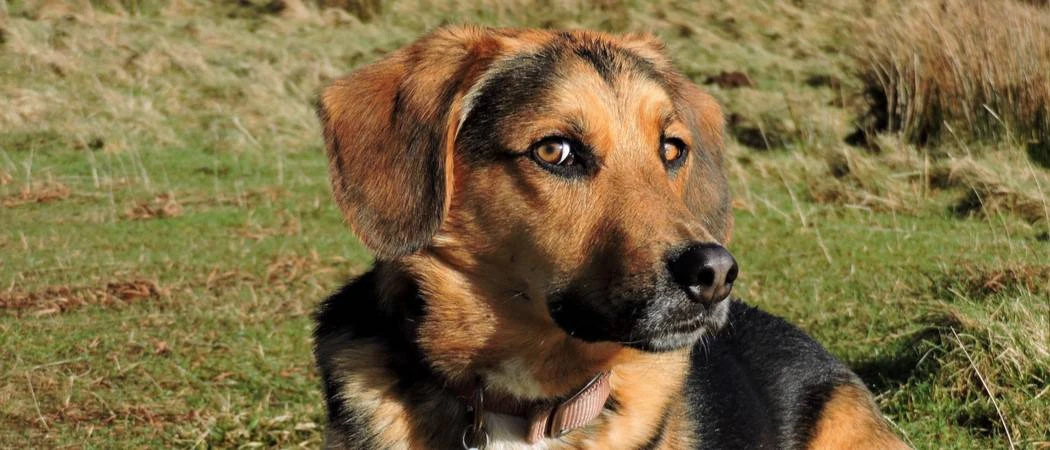
Balanced meals tailored to age and activity level also support long-term wellness. Regular exercise keeps muscles strong and minds engaged, lowering the chance of stress-related conditions.
Care Requirements
Meeting a Beagle Shepherd’s needs involves exercise, nutrition, grooming, and consistent guidance.
Exercise
Plan on a minimum of 30–60 minutes of activity each day. Brisk walks, fetch, or scent games satisfy both the nose and the legs. A tired dog is far less likely to invent destructive hobbies.
Diet

Offer high-quality food divided into two measured meals. Treats are useful for training but should not exceed ten percent of daily calories. Fresh water must always be available.
Grooming
The short to medium coat sheds moderately. Weekly brushing removes loose hair and distributes skin oils. Baths are necessary only when dirty. Trim nails monthly, check ears for odor, and brush teeth several times a week to maintain overall hygiene.
Training
Begin socialization and basic cues early. Use positive methods—toys, praise, or tiny treats—to reward desired behavior. Keep lessons varied; repetition plus new challenges prevents the breed’s clever mind from wandering.
Conclusion

The Beagle Shepherd offers an engaging mix of friendliness, intelligence, and athleticism. With adequate exercise, mental stimulation, and preventive healthcare, this adaptable hybrid settles happily into active homes and becomes a devoted family member.
Future Research
Continued study could benefit the mix in several ways:
1. Genetic mapping to clarify which traits pass predictably from each parent breed.
2. Long-term health tracking to confirm common issues and refine screening protocols.
3. Behavioral assessments comparing training responses across different lineage ratios.
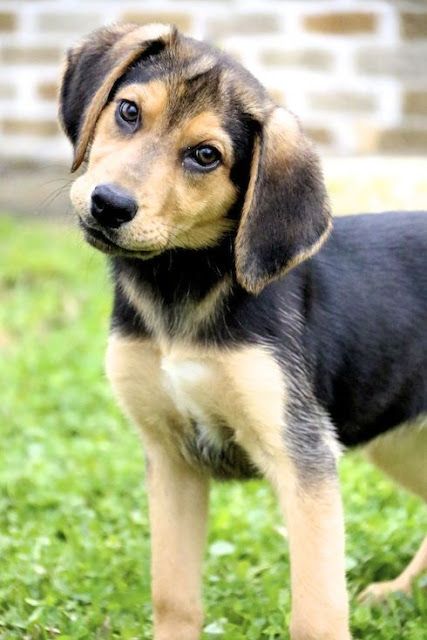
Expanding knowledge in these areas will help owners, vets, and trainers support Beagle Shepherds throughout their lives.


