

Title: Great Dane Puppies in the Southwest: A Friendly Guide to the Gentle Giants
Introduction:
Great Dane puppies turn heads wherever they go, thanks to their impressive height and sweet, easy-going personalities. In this overview, we explore what life is like with one of these affectionate giants, from daily care tips to the rewards of sharing your home with such a graceful companion.
Origins and History of Great Dane Puppies
The breed’s story begins several centuries ago in Europe, where powerful, long-legged dogs were developed to help hunters track large game. Over time, breeders emphasized a calm temperament, shifting the dogs from fieldwork to life as devoted guardians and cherished family friends. Today’s puppies inherit that legacy of loyalty, intelligence, and gentle charm.
Characteristics of Great Dane Puppies
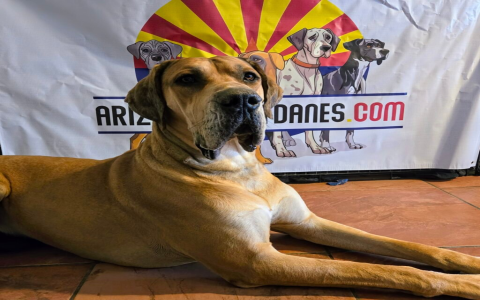
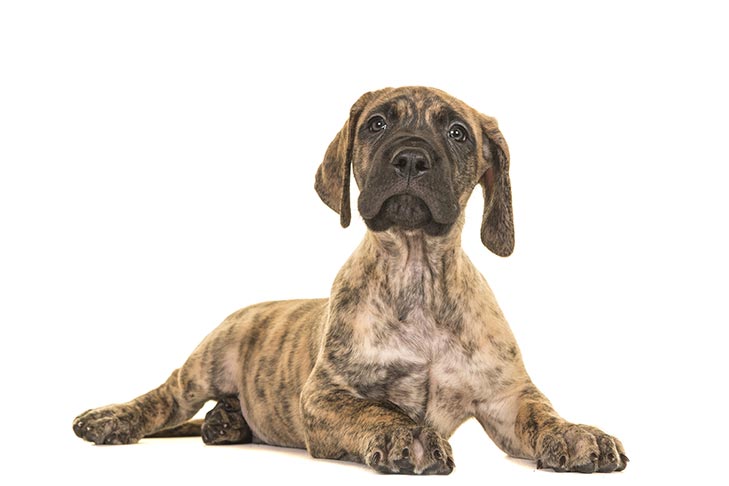
A rapidly growing Dane pup can reach over thirty inches at the shoulder within the first year. Despite their size, they are famously soft-hearted, often trying to curl up on a lap that is far too small. The sleek coat comes in several shades—fawn, blue, black, brindle, and harlequin—each paired with dark, expressive eyes and a constantly wagging tail.

Playful and people-oriented, these puppies usually greet visitors with happy enthusiasm rather than suspicion, making them poor guard dogs but excellent companions for households that enjoy plenty of affection and laughter.
Care and Training for Great Dane Puppies
Raising a Dane is a big commitment, but a few consistent habits keep the experience smooth for everyone.
Feeding and Nutrition
Choose a premium large-breed puppy formula and divide the daily amount into three measured meals until at least six months of age. Steady growth helps protect developing joints; free-feeding or over-supplementation is discouraged.
Exercise and Activity
Moderate leash walks, sniffy yard explorations, and short play sessions satisfy most youngsters. Avoid forced running or repetitive jumping until the bones have fully matured. Mental exercise—basic obedience, puzzle toys, and polite meet-and-greets—burns as much energy as physical exertion.
Training and Socialization
Start gentle handling exercises the day the pup arrives. Reward-based classes build confidence and teach essential skills such as loose-leash walking, waiting at doorways, and settling on a mat. Early, positive exposure to different people, animals, sights, and sounds prevents timidity or over-exuberance later on.
The Great Dane Puppy Experience in Warm Regions
Hot, dry climates present a few extra considerations for giant breeds.
Climate and Weather
Provide constant access to shade and fresh, cool water. Early-morning or late-evening walks replace midday outings when pavement temperatures soar. Indoors, fans or air-conditioning help the pup maintain a comfortable body temperature.
Exercise and Outdoor Activities
Grassy parks, shaded trails, and even kiddie pools offer safe ways to burn energy. Keep sessions short, watch for heavy panting, and always carry water on hikes. A cooling mat at home gives the pup a welcome retreat after playtime.
Conclusion
With thoughtful nutrition, sensible exercise, and plenty of affection, a Great Dane puppy matures into a calm, devoted partner. Understanding the breed’s unique needs ensures a happy life for both dog and family, no matter the zip code.
Future Research and Recommendations
Ongoing studies into hereditary cardiac and orthopedic conditions will help breeders produce even healthier pups. Meanwhile, owners can support welfare by choosing responsible sources, staying current on veterinary care, and sharing knowledge within the community. Education and ethical breeding remain the surest paths to a bright future for these magnificent dogs.
In closing, welcoming a Great Dane puppy is an adventure in companionship, humor, and daily wonder. Provide love, structure, and a cool place to nap, and the gentle giant will return the favor tenfold with unwavering loyalty and endless tail wags.


